
HelloNation Examines How West Texas Weather Impacts Home Design and Construction, Featuring Expert Home Builder John McKnight
Source: PR Newswire
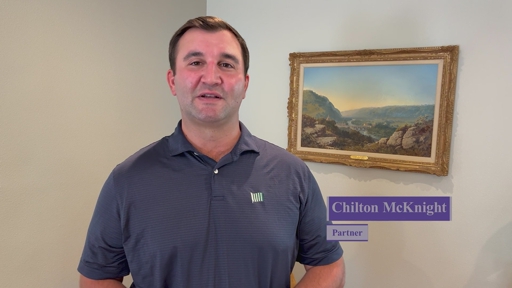
HelloNation published a residential construction advisory focused on Odessa, Texas, where prolonged heat, strong winds, temperature swings and occasional heavy rain affect home durability and energy use. The article recommends insulation, air sealing, energy-efficient windows, heat-resistant roofing, durable exterior materials and effective drainage to improve cooling efficiency, resilience and long-term home performance. The item is informational promotional content and contains no financial results, market-moving policy changes or company-specific operating data.
Analysis
This is marketing content rather than a demand, pricing, or regulatory datapoint, so it does not alter near-term earnings expectations for public housing, building-products, or utility equities. The investable signal is only indirect: sustained West Texas heat and wind exposure modestly favor replacement and upgrade categories with recurring repair cycles—roofing, HVAC efficiency, insulation, and impact-resistant exterior products—over discretionary new construction finishes.
For the next 1-3 months, the relevant catalyst is not this publication but regional weather severity and electricity bills. If ERCOT load tightness or prolonged heat produces materially higher residential power costs, retrofit demand could improve for HVAC distributors and efficiency-oriented building products; however, this typically appears with a lag through contractor backlogs and channel inventory, not immediately in reported revenue.
Over 6-18 months, Midland-Odessa housing demand remains more sensitive to Permian activity, employment, mortgage rates, insurance costs, and municipal infrastructure than to incremental climate-aware design adoption. A second-order risk is that higher wind/hail and heat-related claims raise homeowners insurance premiums or tighten underwriting, reducing housing affordability and potentially pressuring local construction volumes. The contrarian view is that climate-resilience spend can be a net negative for entry-level housing demand if upfront costs rise faster than utility-bill savings or insurance discounts.
No standalone trade is warranted. Watch publicly reported Texas HVAC/roofing replacement demand, ERCOT reserve margins, homeowners-insurance rate actions, and Permian employment indicators; a synchronized deterioration in affordability metrics would be more actionable for short exposure to Texas-centric homebuilders than this isolated local signal.
AllMind Terminal
AI-powered research, real-time alerts, and portfolio analytics for institutional investors.
Request TrialMarket Sentiment
Overall Sentiment
neutral
Sentiment Score
0.10
Key Decisions for Investors
- No immediate position: treat the item as non-actionable promotional content with no independently verifiable revenue or order data.
- Create a 1-3 month watchlist for Lennox (LII), Carrier (CARR), Owens Corning (OC), TopBuild (BLD), and Beacon Roofing Supply (BECN): upgrade only if Texas channel checks show accelerating replacement orders and management confirms pricing/volume strength, rather than weather-driven foot traffic alone.
- Monitor ERCOT summer reliability data and residential electricity-rate trends. A sustained heat-driven power-cost shock could support a tactical long LII/CARR versus short broad homebuilder exposure such as ITB, but only after evidence that retrofit demand is converting into backlog.
- For Texas housing risk, watch insurance-premium filings, mortgage delinquency, and Permian job data over 6-18 months. If affordability deteriorates while local inventory rises, evaluate a short basket of Texas-exposed builders against long BLD/OC, whose repair-and-remodel mix is relatively more resilient.
More News
- Are global oil reserves sufficient to withstand renewed US-Iran war?
- EU entering winter with lowest gas reserves on record, IEA boss warns
- Russia and Ukraine trade fresh strikes despite renewed push for U.S.-brokered peace talks
- U.S. oil holds above $100, Brent at five-month high as Iran says it’s prepared for warfare
- PG&E’s CEO says AI is ‘the best thing that could’ve ever happened to the grid’
- Wake up! The long bond’s up two points!
From AllMind Research
- Anthropic IPO Preview: Valuation, Timing, and What to Watch
- Shein After the IPO: Venue, Valuation, and What Must Be Proved
- What AI Research Tools Should a Small Hedge Fund Buy First?
- Best AI Stock Research Tools for Professional Investors
- Weekly Update: Adding Live MBO Level 3 Data - Liquidity Heatmap, OFI Charts, and More