
AMPERA AND IMPERIAL COLLEGE LONDON PARTNER TO DEVELOP PHYSICS-GROUNDED AI PLATFORM FOR ADVANCED ENERGY SYSTEMS
Source: PR Newswire
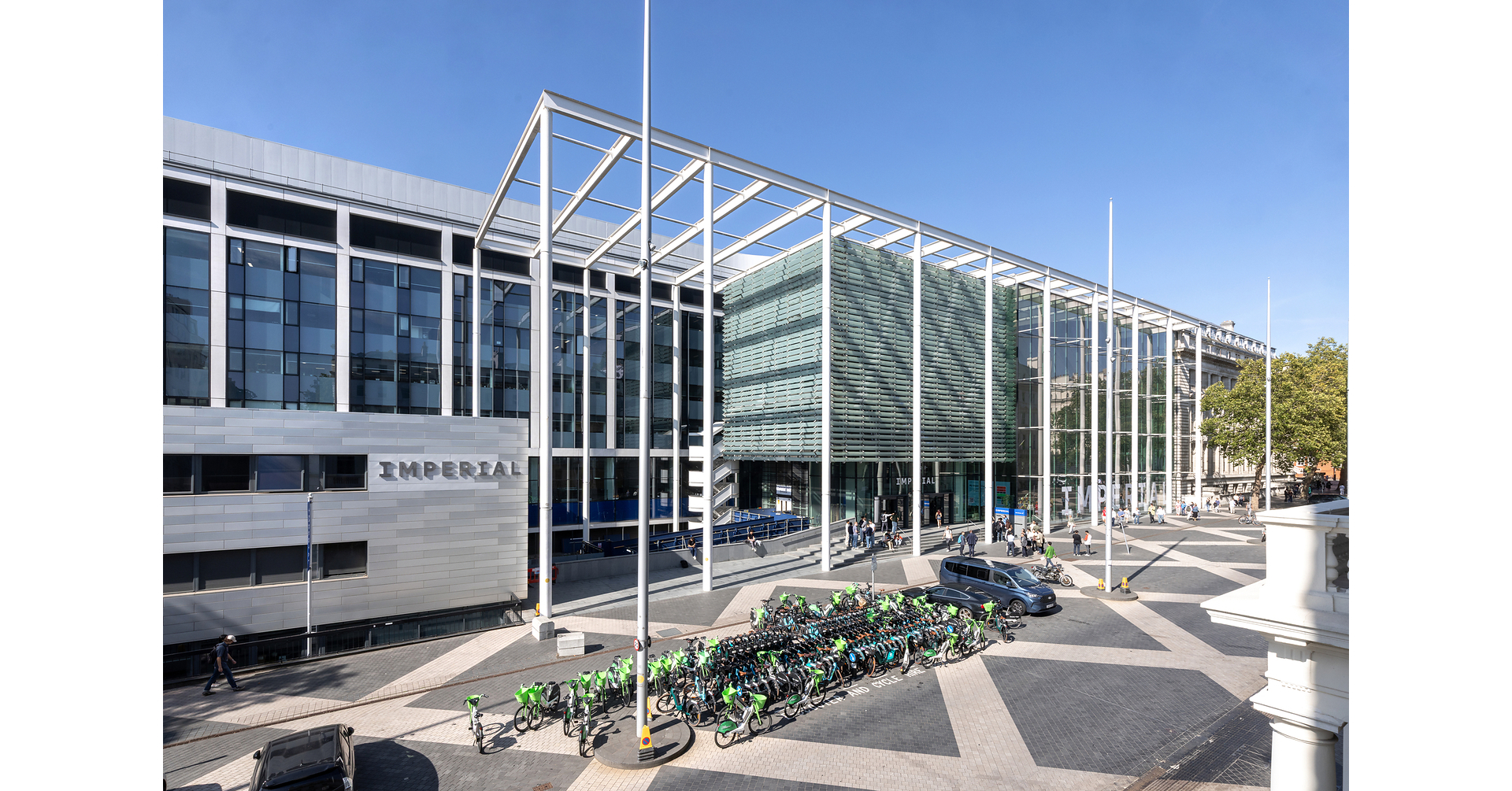
AMPERA announced a multi-year partnership worth approximately $9 million (£7 million) with Imperial College London to develop NeuralTwin, a physics-grounded digital-twin platform combining first-principles physics with AI-based surrogates. The program aims to accelerate energy-system design, assessment and optimization, while reducing development time, cost and technical risk; no deployment results or financial forecasts were provided.
Analysis
Treat this as a modest execution-option signal, not evidence of near-term earnings growth. A physics-informed surrogate could reduce simulation and design iteration time; if independently validated and embedded in AMPERA’s engineering workflow, that may shorten development cycles and lower the cost of evaluating system configurations. The higher-value payoff would be faster, more credible licensing and deployment—not AI monetization by itself. Nuclear and other safety-critical applications require validated models, traceability, and regulator acceptance, so computational speed does not automatically translate into shorter approval timelines.
The key uncertainty is commercial substance: the announcement does not specify funding allocation, deliverables, ownership or commercialization rights, customer adoption, or measured performance against existing tools. Until those are disclosed, the partnership is better viewed as research validation than a durable competitive moat. Established engineering-software and energy-system competitors could replicate techniques or incorporate similar tools; AMPERA’s differentiation depends on integration into deployable systems and evidence that it changes cost, schedule, or operating performance.
Near term, expect limited fundamental repricing absent independently verifiable milestones. Over 1–3 months, look for project scope, benchmark results, and evidence of use in customer or licensing work. Over 6–18 months, the thesis strengthens only if the platform advances from research to validated engineering and operational use. Reversal signals include missed milestones, no rights to commercialize resulting IP, no measurable cycle-time improvement, or regulators/customers declining to rely on model outputs. With no ticker or listed-company identity supplied, there is no grounded direct security trade.
AllMind Terminal
AI-powered research, real-time alerts, and portfolio analytics for institutional investors.
Request TrialMarket Sentiment
Overall Sentiment
mildly positive
Sentiment Score
0.35
Key Decisions for Investors
- No direct trade on the announcement alone; do not capitalize the research partnership as incremental revenue or assign a valuation premium without commercial terms and deployment evidence.
- Add AMPERA to a catalyst watchlist and verify who funds the partnership, IP ownership and licensing rights, deliverables, benchmark methodology, and whether any customer or regulator will use the outputs.
- Reassess only on measurable validation: demonstrated engineering time/cost reduction or application in a customer, licensing, or operating workflow. Treat missed milestones or lack of commercialization rights as thesis-negative.
More News
- Trump says Iran war will end 'when I want it to' as costs reportedly balloon to $47 billion
- SK Hynix third-quarter profit sharply beats estimates on AI memory boost
- SK Hynix Posts Record Profit Amid AI Rush
- Anthropic's IPO could be 'speculative fiction' or a 'generational moment' — investors are split
- Iran’s calculations as US escalation looms: Trust, midterms, Hormuz
- Anthropic IPO Seeks Investors, With Risks of Catastrophe, Rogue AI