
Short-Term Bond ETFs to Gain as Fed Hikes Interest Rates
Source: zacks.com
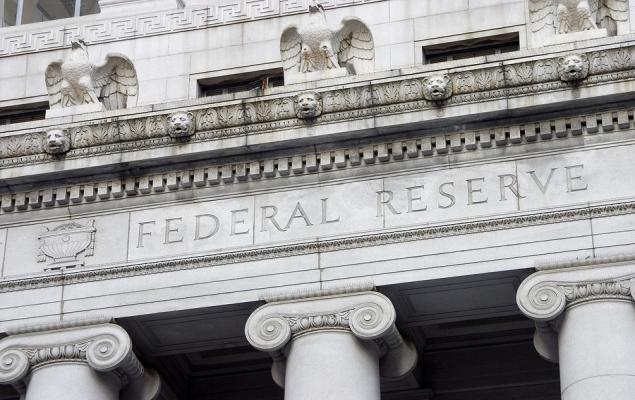
The Federal Reserve raised the federal funds target range by 25bps to 3.75%-4.00% on Sept. 16, 2026, its first hike in more than three years, citing 3.4% inflation, energy-price pressures and resilient growth. The two-year Treasury yield rose 7bps to 4.74%, supporting the income outlook for short-duration bond ETFs as maturing holdings can be reinvested at higher yields. The article favors SHY, BSV, SPTS and IGSB, arguing their roughly 1-3-year durations limit rate-driven capital losses while distributions reset higher.
Analysis
The investable implication is not a directional long in short-duration bond ETFs: higher carry is largely offset by immediate NAV pressure, while the income reset occurs only as holdings roll down and mature. The cleaner expression is a duration-relative trade—own SHY/SPTS or Treasury bills against intermediate-duration exposure such as IEF—if the market is still underpricing the terminal rate or persistence of restrictive policy. Corporate short-duration funds such as IGSB introduce a separate risk: their modest duration advantage can be overwhelmed by even a 15-25 bp widening in investment-grade spreads if tighter policy begins to impair growth expectations.
For STT, the relevant transmission is ETF AUM and securities-services balances, not the economics of SPTS alone. A risk-off migration from bank deposits and longer-duration funds toward Treasury ETFs can create recurring fee revenue and servicing activity, but the earnings sensitivity is likely immaterial unless industry flows broaden materially over the next 1-3 months. The contrarian view is that a first hike after a prolonged pause can flatten the curve rather than sustain a broad front-end selloff: if subsequent inflation prints decelerate or labor data weaken, the front end will rally sharply and the relative advantage of short duration becomes a carry trade rather than a capital-preservation trade.
Over 6-18 months, prolonged restrictive rates increase refinancing pressure for lower-quality borrowers, favoring pure Treasury exposure over short corporate credit. The key falsifiers are a sustained decline in core inflation and a material repricing lower in terminal-rate expectations; conversely, a widening in CDX IG or high-yield spreads would argue against treating short corporate ETFs as cash substitutes.
AllMind Terminal
AI-powered research, real-time alerts, and portfolio analytics for institutional investors.
Request TrialMarket Sentiment
Overall Sentiment
mildly positive
Sentiment Score
0.28
Ticker Sentiment
Key Decisions for Investors
- Implement a 1-3 month duration pair: long SHY or SPTS versus short IEF, sized duration-neutral. Target a further 15-25 bp front-end/5-year relative selloff; stop if 2-year yields fall 20 bp below the post-decision level or the curve bull-steepens on weakening growth data.
- Use SGOV/BIL rather than IGSB for liquidity reserves over the next 3-6 months. The incremental yield in short investment-grade credit is not attractive if CDX IG widens more than 15 bp; reassess IGSB only after credit spreads stabilize.
- Do not initiate a standalone long STT on this development. Set a watch trigger for sustained quarterly net ETF inflows into State Street fixed-income products and evidence that higher client balances improve servicing-fee guidance; without those data, the impact on STT earnings is too diluted.
- For a hawkish-tail hedge, buy 3-month SOFR futures downside or maintain a modest short position in 2-year Treasury futures rather than adding duration shorts in equities. Take profit if inflation surprises reverse or market-implied terminal policy expectations rise by roughly 25 bp, as much of the near-term repricing would then be captured.
More News
- State Street Says Any Tech Weakness Is Chance to Rebuild
- Bank of Japan raises interest rates to 31-year high, flags concerns over inflation
- Why is the Japanese yen sliding today?
- Yen Drops Against Dollar After BOJ Raises Rates as Expected
- Japan’s interest rate hiked to 31-year high at 1.25% as inflation rises
- Bank of Japan hikes rates to 31-yr high amid growing inflationary risks