
90 Days of Cheaper Beef Could Cost American Ranchers - Good Ranchers Response to New Beef Import Plan
Source: PR Newswire
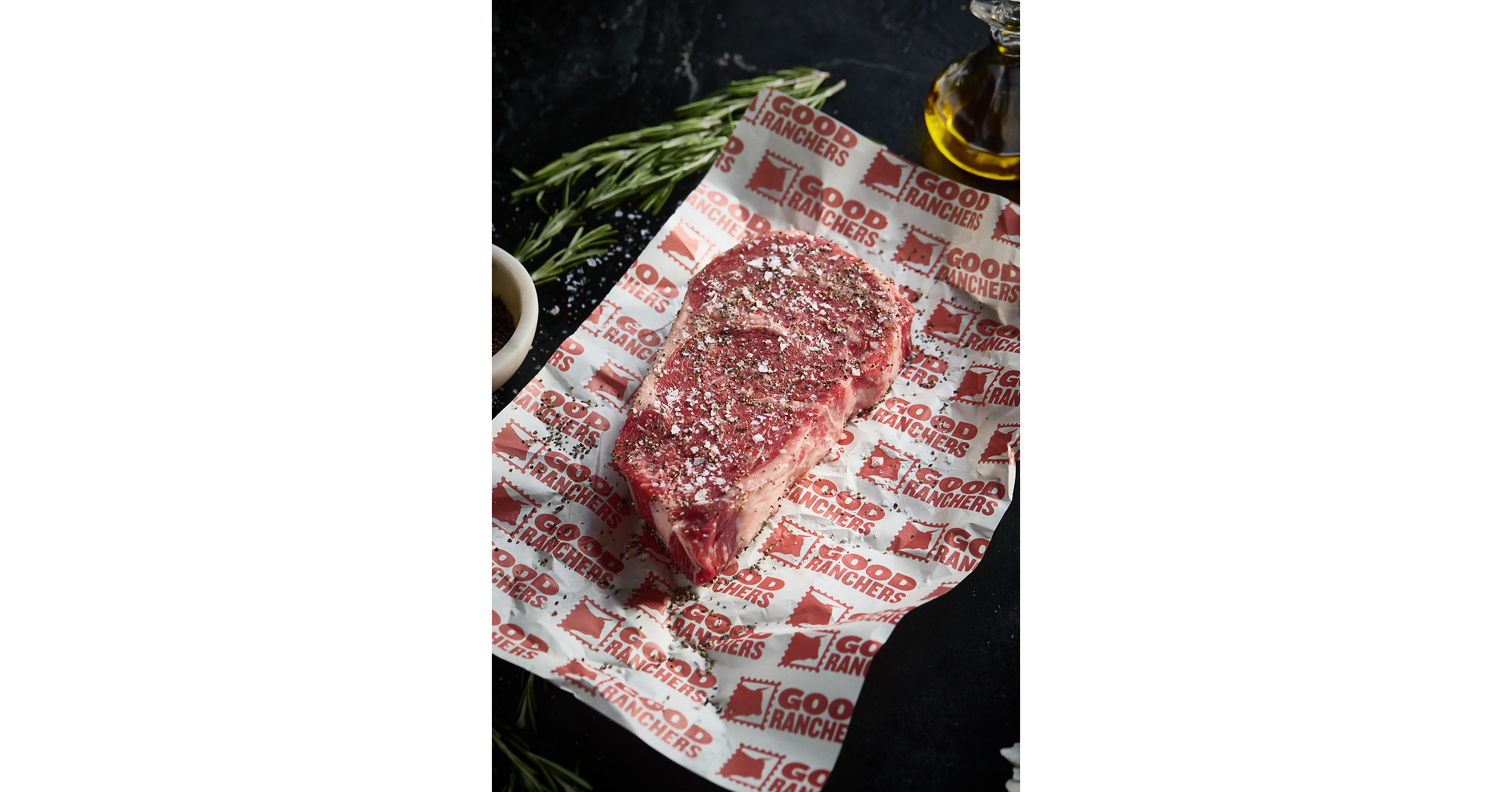
President Trump’s plan to allow up to 300,000 metric tons of tariff-free ground beef into the U.S. for 90 days is expected to pressure American cattle producers, according to Good Ranchers. The company flags that ground beef is already averaging $6.89/lb (up 57% since 2021), and argues imported price discounting could worsen conditions amid drought, high feed costs, and historically low cattle inventories. Good Ranchers also raises concerns about product transparency (no mandatory country-of-origin labeling on all imports) and the post-90-day outcome for ranchers once the temporary price fix ends.
Analysis
The first-order market reaction belongs in cattle, not equity index beta. If the import window is real and executes quickly, live cattle and feeder cattle should soften before any meaningful relief shows up in grocery shelf prices; retailers and foodservice can lag the move by weeks as they work through existing inventory and contracts. Because ground beef is a high-frequency basket item, even a temporary price reset can pressure sentiment around food inflation, but the pass-through to consumers is usually incomplete — grocers and restaurant chains often keep part of the input relief as margin.
The biggest second-order loser is the herd-rebuilding cycle. A 90-day flood of supply may look temporary, but if it knocks calf prices lower just as ranchers are deciding whether to retain heifers, it can extend the inventory downcycle and keep domestic beef supplies tight for another 12-18 months. That argues for a bearish bias on cattle exposure versus broader consumer beneficiaries like MCD, WMT, COST and foodservice names only if the policy becomes operational rather than rhetorical.
The contrarian read is that the market may be overestimating the speed of disinflation. Import logistics, labeling, inspection, and retail re-pricing create friction, so the near-term equity winner may be limited while the policy signal still matters: Washington is willing to intervene when food inflation gets politically sensitive. The key falsifier is straightforward — if wholesale beef prices do not weaken within 2-3 weeks of implementation, or if import volumes prove too small, the trade is noise rather than a trend.
DJT has no direct earnings linkage here; any read-through is purely sentiment/politics and not a clean trade.
AllMind Terminal
AI-powered research, real-time alerts, and portfolio analytics for institutional investors.
Request TrialMarket Sentiment
Overall Sentiment
mildly negative
Sentiment Score
-0.25
Key Decisions for Investors
- Short livestock exposure via COW or a live-cattle proxy for the next 1-3 months; thesis breaks if wholesale beef prices fail to roll over within 2-3 weeks or if the import plan is delayed.
- Modestly long MCD/WMT/COST on weakness as a hedge against softer food-input inflation over 1-3 months; upside is limited but risk/reward improves if the market starts pricing margin retention rather than pass-through.
- Avoid forcing a DJT trade here — the policy read-through is not a direct revenue or margin catalyst, so any position would be a sentiment bet with poor signal-to-noise.
- Watch TSN as a relative-value candidate only if cattle prices fall faster than boxed beef; otherwise skip the name because the beef signal can be diluted by chicken and prepared foods.
More News
- Oval Office spat to public rebukes: A timeline of Trump-Zelenskyy ties
- Trump selects Katie Zacharia as White House press secretary
- Trump Media advisor Katie Zacharia named White House press secretary
- The IEA wants to empty its oil reserves faster. A federal watchdog says the US isn’t ready for what comes next
- Deadly Houthi Attacks on Saudi Arabia; EU Caps Chinese Hybrid Car Imports
- ‘If nothing is done, it’s almost inevitable’: Ukraine’s Yuriy Ryzhenkov on why steelmaking is on the brink of collapse as Russian bombing intensifies