
FROM TRANSPLANTATION TO DONATION: NEW CORE CEO DEBORAH MAURER LOOKS TO EXPAND WHAT'S POSSIBLE
Source: PR Newswire
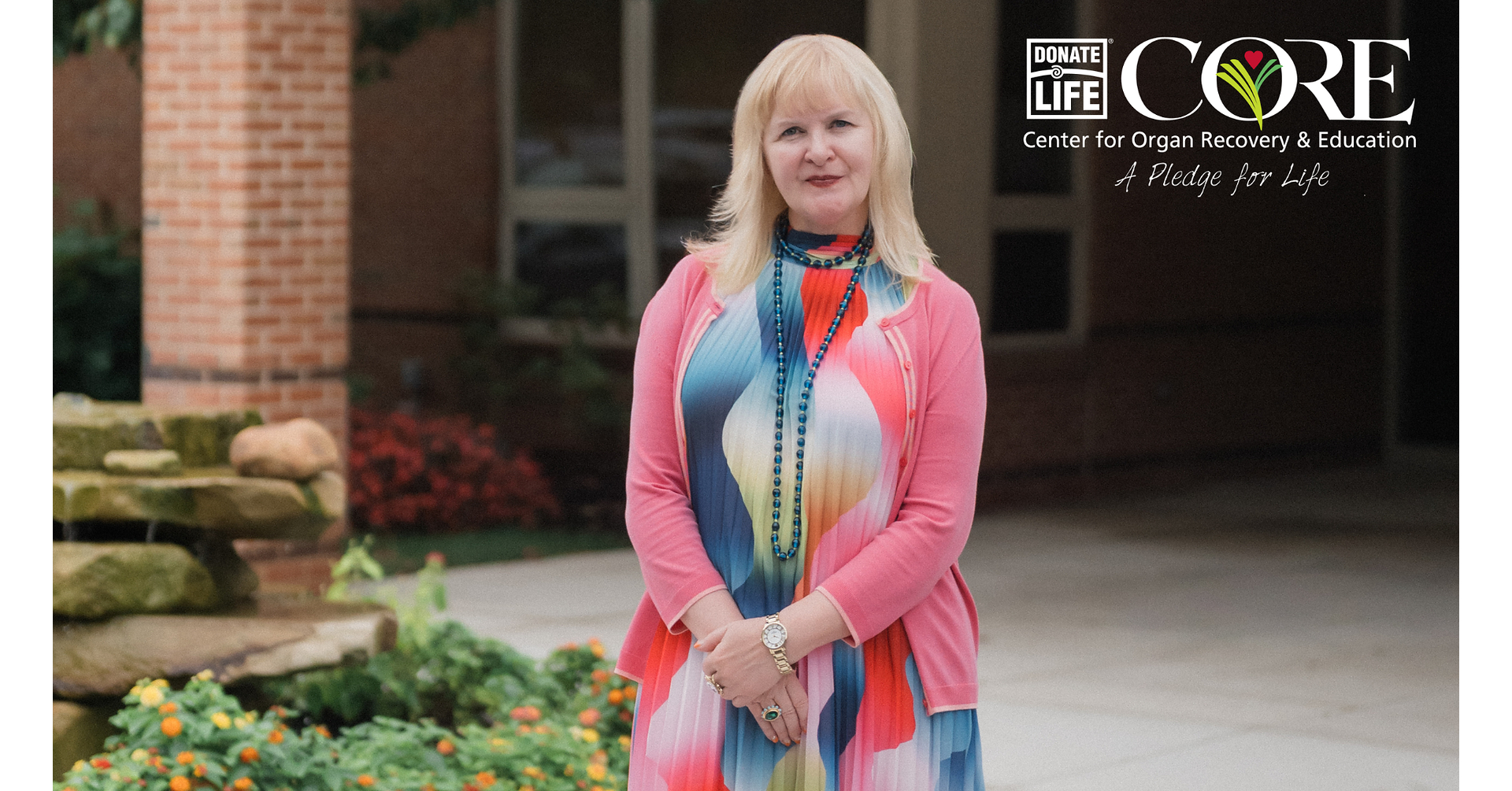
CORE appointed transplant executive Deborah Maurer as President & CEO to expand clinical innovation and healthcare partnerships in organ donation. The organization reported 484 organ donors in 2025, resulting in 1,191 organs transplanted—up 23% year over year—and maintains high donor-family satisfaction (95%–100%). A new Susan Stuart Center for Excellence is expected to open in summer 2027 to expand CORE’s capacity.
Analysis
This is not a clean equity catalyst for the named nonprofit, but it does reinforce a slow-burn adoption curve for advanced organ preservation. The market implication is that workflow and infrastructure spending around transplant logistics can keep compounding even if donation volumes are already elevated, which favors the picks-and-shovels layer more than the core service operators. The most plausible public beneficiary remains TMDX: every incremental hour of organ preservation and better organ utilization expands its addressable use cases, but the revenue inflection is more likely to show up over 6-18 months as hospital committees, procurement groups and transplant programs standardize protocols.
The second-order effect is competitive: better coordination and data transparency raise the bar for incumbent OPOs and hospital networks that rely on manual processes, but these are mostly non-public entities, so the tradeable impact is limited. If operational complexity rises faster than capacity, smaller regional systems could bottleneck, creating a winner-take-more dynamic for providers with scale, training, and field support. That said, any read-through to public hospital names is weak unless volume gains translate into measurable surgical mix or reimbursement lift.
Contrarian view: the consensus may be overstating how quickly process improvements convert to earnings. Donation/transplant systems are execution-heavy, consensus-driven, and regulated, so a leadership change and a new facility are more likely to improve outcomes gradually than cause a step-change in public-company fundamentals. The key falsifier for a TMDX bull case would be no evidence of rising utilization, no hospital adoption commentary, or a slowdown in transplant-center demand despite continued infrastructure spend.
AllMind Terminal
AI-powered research, real-time alerts, and portfolio analytics for institutional investors.
Request TrialMarket Sentiment
Overall Sentiment
mildly positive
Sentiment Score
0.25
Key Decisions for Investors
- Long TMDX on pullbacks, 6-12 month horizon: use as a proxy for rising adoption of organ preservation/perfusion workflows; attractive if hospital commentary continues to show protocol expansion. Falsify if utilization or transplant-center adoption stalls over the next two quarters.
- Avoid forcing a trade in TSTS/XCPL: current linkage to monetizable cash flows is too indirect. Treat as a watchlist item only until filings or channel checks show explicit exposure to transplant logistics, healthcare workflow, or organ-recovery services.
- Pair idea: long TMDX / short broad medtech ETF IHI if you want to express idiosyncratic workflow adoption rather than sector beta. Best entered on sector weakness; risk/reward improves if TMDX outperforms on gross-margin or volume commentary over the next 1-2 earnings cycles.
- Set an alert for any hospital-system or transplant-center commentary citing adoption of advanced preservation technologies over the next 1-3 months. If there is no evidence of budgeted capex or clinical protocol rollout, fade any knee-jerk move in TMDX-related names.
More News
- AI Capex, Gamble or Jackpot?: Market Snapshot
- ‘I told you so’: China’s chip sector is making breakthroughs—and U.S. export controls are the reasons why
- CoreWeave credit default swaps hit distress levels as investors sour on AI debt
- The IPO drought is driving private equity-owned companies to the debt market to pay investors
- Hybe shares jump 10% as K-pop sensation BTS' tour lifts earnings hopes
- Giant Taiwanese chipmaker TSMC confirms it’s in talks with Elon Musk to join ‘Terafab’ complex in Texas: ‘The AI market continues to be very strong’