
Hodinky HUAWEI WATCH D3, poprvé představené na konferenci ISH-ECS 2026, přinášejí pokročilé monitorování krevního tlaku do každodenního života
Source: PR Newswire
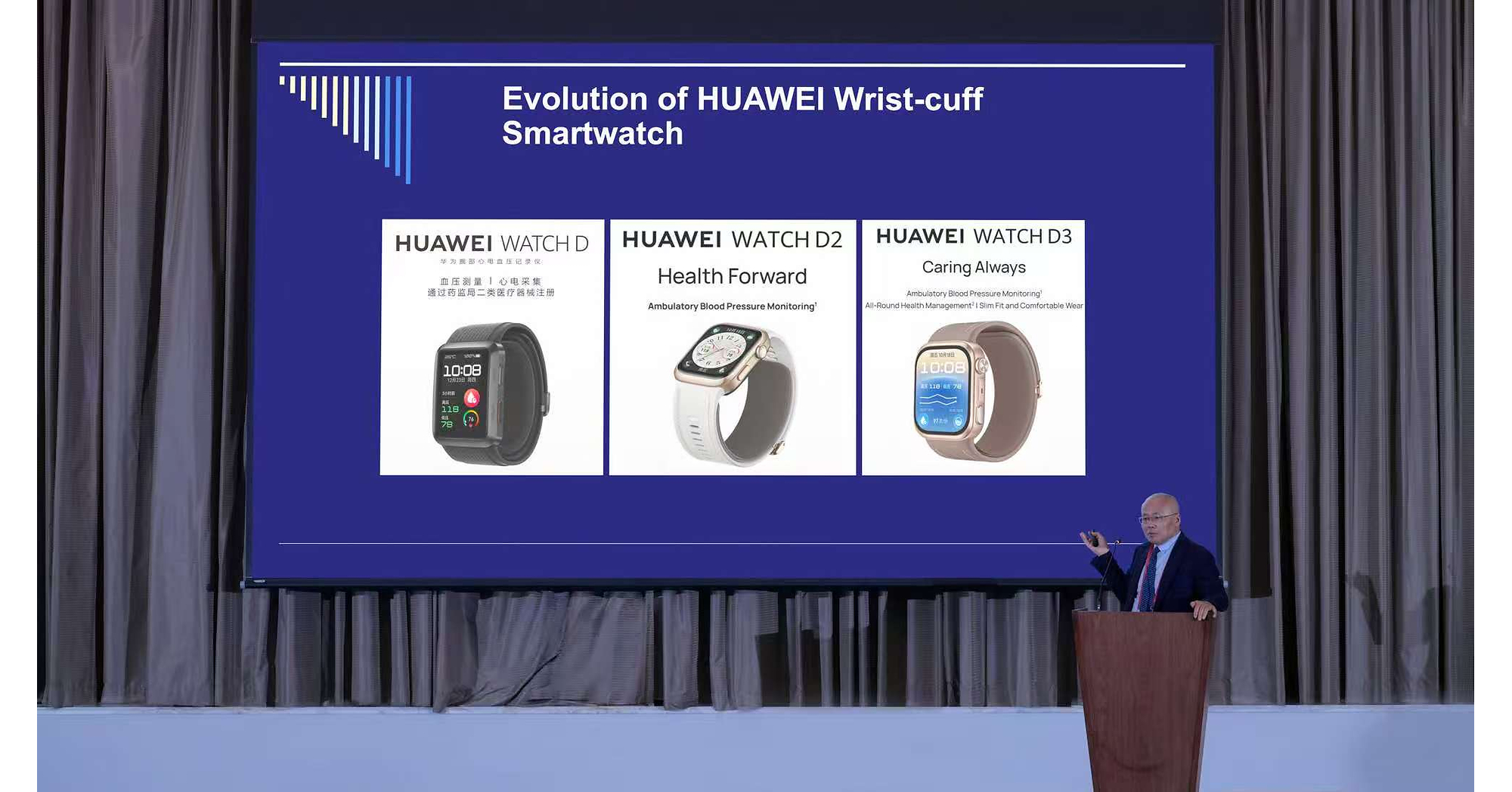
Huawei introduced the WATCH D3 at ISH-ECS 2026, highlighting wrist-based blood-pressure monitoring and a new pre- and post-exercise measurement mode. The mode is described as the first of its kind to receive CE certification under the Medical Device Regulation and China Class II medical-device registration. A Huawei-ISH innovation fund will support research; separately, a study aims to reduce cuff-based readings in ambulatory monitoring from 27 to 7.
Analysis
The investment signal is not the launch itself; it is Huawei’s attempt to turn wearable blood-pressure monitoring from a consumer feature into a clinically credible category. If independent studies validate the hybrid PPG/cuff approach, fewer disruptive cuff readings could improve adherence and make longitudinal data more useful to clinicians. That could pressure traditional ambulatory-monitoring vendors over time, while giving Apple, Samsung and other wearable platforms a reason to accelerate medical-grade sensing and clinical partnerships. It is not yet evidence of a meaningful revenue pool: clinical adoption, reimbursement, data integration and repeat use matter more than conference visibility.
Treat the release’s endorsements and certifications narrowly. Recognition of validated wrist devices in guidance does not establish that this specific product improves outcomes, nor that health systems will adopt it. The stated study and expansion plans are catalysts to monitor, not proof of clinical or commercial traction. False readings, calibration requirements, privacy concerns and added clinician workload could constrain use; Huawei’s ability to distribute health features across markets is also exposed to regulatory and geopolitical friction.
Days: likely limited investable read-through because Huawei has no supplied public-market mapping. Over 1–3 months, watch for independent validation, regulatory scope and market availability. Over 6–18 months, successful clinical integration could shift value toward device ecosystems and validated monitoring platforms. Contrarian view: the category’s credibility is improving, but investors may overestimate the conversion from guideline mention to paid, routine use. No high-conviction trade until adoption and unit economics are verifiable.
AllMind Terminal
AI-powered research, real-time alerts, and portfolio analytics for institutional investors.
Request TrialMarket Sentiment
Overall Sentiment
mildly positive
Sentiment Score
0.25
Key Decisions for Investors
- No direct position from this announcement: the supplied data provides no listed-company identity for Huawei, and the release does not establish sales, margins or a commercial adoption curve.
- Put wearable and ambulatory blood-pressure monitoring competitors, including Apple, Samsung and Omron, on a watchlist rather than trading the headline. Reassess if independent validation shows fewer cuff measurements without loss of accuracy and clinicians adopt the data in routine care.
- Track the specific evidence that would change the thesis: peer-reviewed performance and adherence results, country-by-country regulatory clearance, reimbursement or health-system procurement, and evidence of sustained device use. Guideline references alone are insufficient.
- Falsify the bullish category thesis if validation shows unreliable readings across user groups, if cuff calibration remains burdensome, or if clinical pilots fail to progress into funded deployment; these outcomes would favor established cuff-based monitoring over wearable substitution.
More News
- SK Hynix Posts Record Profit Amid AI Rush
- SK Hynix third-quarter profit sharply beats estimates on AI memory boost
- Anthropic's IPO could be 'speculative fiction' or a 'generational moment' — investors are split
- Anthropic Gives Traders a Pure-Play Bet on Frontier AI
- Analysis-Hold or sell? High Treasury yields spur US banks to rethink bond portfolios
- VCs will make billions on Anthropic’s IPO, but Amazon is set to make much (much) more