
Tesla: Elon Is Going For The Robotaxi Moonshot
Source: seekingalpha.com
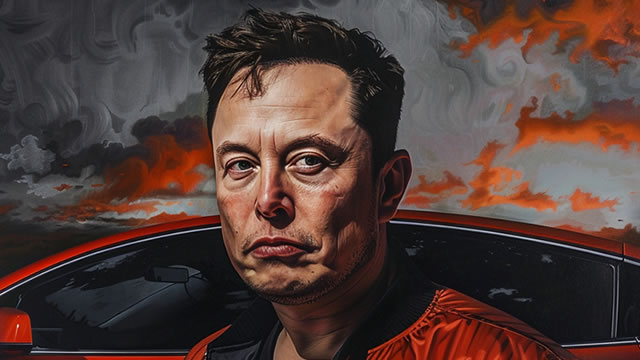
Tesla is characterized as a strong buy on the view that its valuation does not fully reflect potential upside from Full Self-Driving, Robotaxi and Optimus. The thesis centers on Tesla's automotive business funding a software-defined hardware, real-world AI and manufacturing-scale flywheel. FSD and Robotaxi could expand Tesla's addressable market and recurring revenue through lower operating costs and possible third-party licensing.
Analysis
The relevant valuation question is not whether TSLA has attractive optionality, but how much autonomy and humanoid-robot economics are already embedded in a stock that trades primarily on long-duration expectations rather than near-term auto earnings. Incremental evidence of unsupervised paid rides, disclosed utilization, and a credible regulatory pathway would justify multiple expansion; additional supervised-FSD features will not. Until unit economics are independently observable, investors should treat software, robotaxi, and Optimus forecasts as probability-weighted call options rather than recurring revenue estimates.
Near-term, the largest earnings sensitivity remains automotive gross margin, delivery growth, and the cost of incentives required to defend volume. A weaker vehicle demand backdrop can create a counterintuitive dynamic: lower prices expand the installed fleet available for future software monetization, but compress current cash generation and raises the hurdle for funding capital-intensive compute, fleet, and manufacturing initiatives. Chinese EV competition—especially BYD and Xiaomi—remains the key competitive constraint because it can force TSLA to choose between share retention and margin preservation.
Over the next 1-3 months, the market will likely reward measurable autonomy milestones more than aspirational product updates: paid-service launch geography, safety-disengagement disclosure, fleet size, take rate, and regulatory approvals are the critical data points. Over 6-18 months, a meaningful upside case requires high utilization and limited remote-operator labor; otherwise robotaxi economics resemble a low-margin fleet business rather than a software platform. The contrarian view is that consensus may be underestimating the financing and depreciation burden of scaling a company-owned fleet, even if the technology works.
This article alone is not a fresh fundamental catalyst; it is a bullish valuation assertion. The thesis is falsified by another material automotive-margin reset, slowing deferred-revenue/FSD adoption, regulatory setbacks, or evidence that autonomy requires persistent human intervention. Conversely, verified paid autonomous operations with disclosed positive contribution margins would require revisiting bear-case valuation frameworks quickly.
AllMind Terminal
AI-powered research, real-time alerts, and portfolio analytics for institutional investors.
Request TrialMarket Sentiment
Overall Sentiment
moderately positive
Sentiment Score
0.62
Ticker Sentiment
Key Decisions for Investors
- Do not add directional TSLA exposure solely on this research note; maintain a watch alert around the next delivery, automotive gross-margin, and free-cash-flow disclosures. A volume miss paired with further price cuts would favor a 1-3 month underweight despite the long-duration AI narrative.
- For existing TSLA longs, use a defined-risk structure: retain equity exposure but buy 3-6 month downside puts or put spreads around earnings. The principal near-term risk is multiple compression from auto-margin disappointment before autonomy revenue is verifiable.
- Conditional long: add TSLA only following independently verifiable paid autonomous service metrics—service availability, fleet scale, utilization, and contribution-margin evidence—not merely product demonstrations. A credible disclosure package could create a 6-18 month rerating catalyst; absent it, upside remains narrative-dependent.
- Relative-value watch: if TSLA sacrifices price to defend global EV share, favor a short TSLA / long BYDDF or BYDDF proxy basket only after confirmation of sequential TSLA automotive-margin deterioration. The trade fails if TSLA demonstrates software revenue growth sufficient to offset vehicle-margin compression.
More News
- Next week brings major risks for the stock market, just as the AI trade keeps faltering
- With earnings in rearview mirror, SpaceX-Tesla merger chatter takes center stage
- On the ground at Nvidia GTC Berlin: Jensen Huang, robot ducks and neocloud distress
- Investing.com’s stocks of the week
- Sam Altman's OpenAI eyes $30B fundraising round ahead of looming IPO: report
- Dow Heads for 3rd Weekly Win Despite Tech Turmoil
From AllMind Research
- Anthropic IPO Preview: Valuation, Timing, and What to Watch
- Shein After the IPO: Venue, Valuation, and What Must Be Proved
- What AI Research Tools Should a Small Hedge Fund Buy First?
- AI Tools for Independent Research Firms: A Publishing System
- Weekly Update: Options, Earnings Call Transcripts, AI Chat, Bookmarks & More