
Brayton Purcell LLP Highlights Bloomberg Businessweek Investigation into America's Growing Artificial Stone Silicosis Crisis
Source: PR Newswire
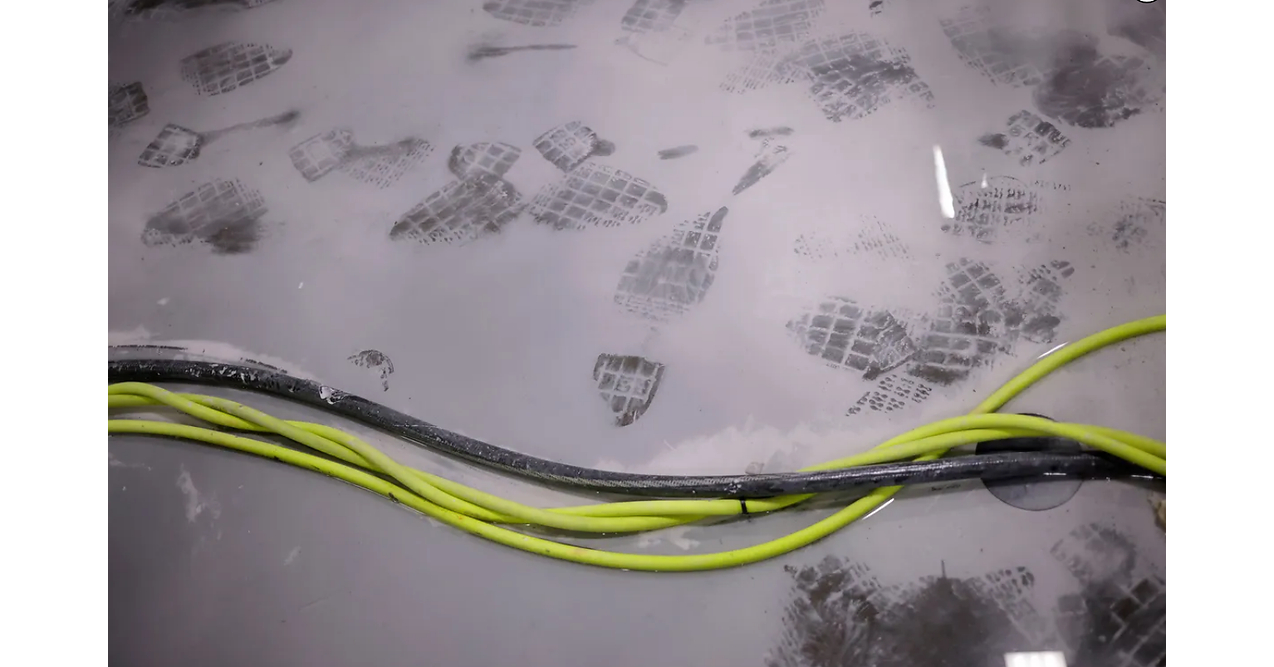
Bloomberg Businessweek reported expanding U.S. litigation over artificial-stone silicosis, a fatal occupational disease linked to countertop fabrication dust containing at least 90% respirable crystalline silica. The investigation names manufacturers, distributors and supply-chain participants including Cambria, Caesarstone, Cosentino, Daltile and Arizona Tile, increasing potential liability and regulatory risk. Australia banned artificial-stone fabrication in 2024, while California regulators are moving toward a ban on fabrication of crystalline-silica artificial stone.
Analysis
CSTE faces a potentially asymmetric liability-and-regulation problem: a product restriction does not merely reduce new-volume demand, but can impair the residual value of installed-product claims, raise product-liability insurance costs, and force distributors/fabricators to demand indemnification. The legal-firm release is promotional rather than an independently quantified damages estimate, so it is not by itself a valuation catalyst; the investable issue is whether California rulemaking prompts reserve increases, insurer exclusions, or disclosure of case counts over the next 1-3 quarters.
The second-order pressure is likely to concentrate on engineered-stone suppliers with weaker balance sheets rather than on diversified building-products companies. Fabricators are fragmented and generally lack capacity to absorb compliance, wet-cutting, ventilation, and worker-monitoring costs, making accelerated substitution toward low-silica porcelain, natural stone, laminate, and solid-surface products more probable. Price realization in legacy quartz could deteriorate before headline sales do, as distributors clear inventory and customers avoid materials that could become difficult to fabricate legally.
Consensus may be underestimating regulatory contagion: California action can become a template for other high-cost states and for OSHA enforcement, reshaping demand over 6-18 months even absent a federal ban. Conversely, a narrowly scoped fabrication rule, effective engineering controls, or successful insurer-funded settlements would limit the downside; the thesis is falsified if CSTE demonstrates stable North American volumes and gross margin while quantifying immaterial net litigation exposure in its next two reporting cycles.
AllMind Terminal
AI-powered research, real-time alerts, and portfolio analytics for institutional investors.
Request TrialMarket Sentiment
Overall Sentiment
strongly negative
Sentiment Score
-0.62
Ticker Sentiment
Key Decisions for Investors
- Maintain a short bias on CSTE only after confirming current listing status, borrow availability, liquidity, cash runway, and disclosed litigation reserves; use a 1-3 month horizon into earnings or regulatory milestones. Target a 15-25% downside on a reserve/volume reset, but cover if North American revenue and gross margin hold through two quarters without incremental legal accruals.
- Do not short MHK solely on this development: its Daltile exposure creates risk, but corporate diversification and potential share gains in substitute surfaces make the read-through ambiguous. Put MHK on a watchlist for segment commentary on quartz mix, fabrication constraints, and California demand rather than treating it as a clean litigation proxy.
- Set alerts for a finalized California fabrication rule, OSHA enforcement action, multi-plaintiff verdicts, insurer coverage disputes, or CSTE 10-Q/annual-report disclosure of claim counts and reserve changes. Any of these is a more actionable catalyst than media attention alone.
- For portfolios needing building-products downside protection, prefer a small CSTE-specific position over broad short exposure to housing ETFs such as XHB: the risk is product- and liability-specific, while lower-silica substitution could preserve aggregate countertop spending.
More News
- US military claims Strait of Hormuz remains open amid ongoing blockade
- Oil prices extend losses as fears of Middle East supply disruptions ease
- Congress passes sweeping US sanctions bill targeting Russia
- Shares tick higher as Fed hikes rates, dollar jumps with short-term yields
- House Passes Bill Allowing Trump Tariffs on Russian Oil Buyers
- Gold slips as Fed hike, hawkish outlook strengthen dollar