
National Menopause Foundation Launches "A Positive Pause" for World Menopause Day -- as New Survey Reveals Midlife Women Are Ready to Change the Conversation
Source: PR Newswire
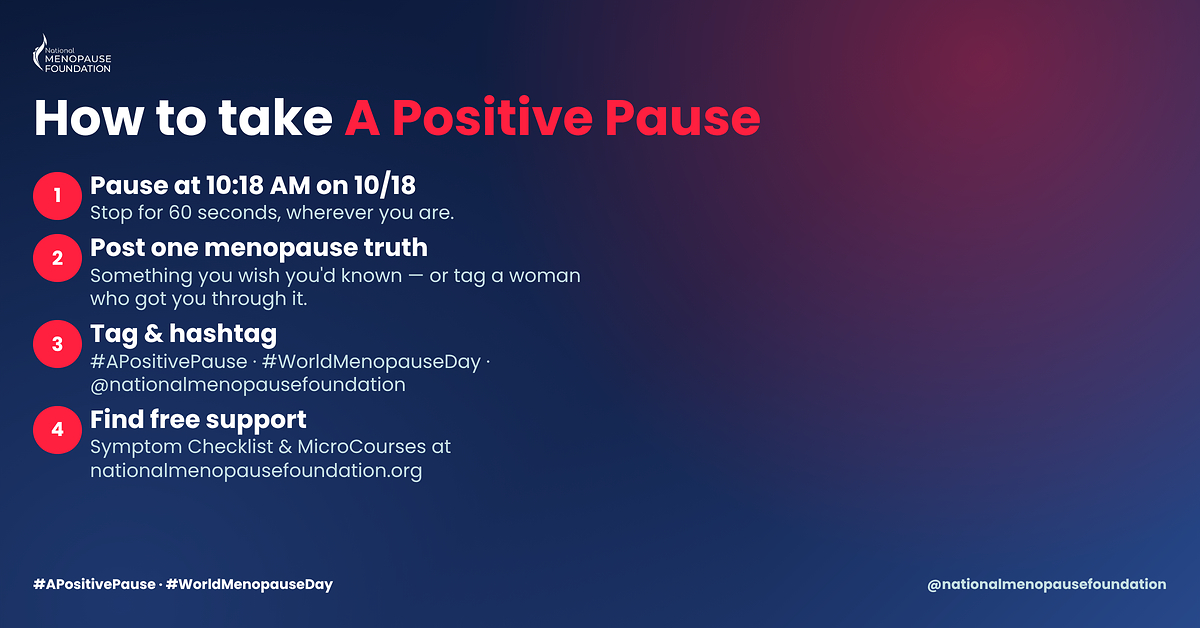
The National Menopause Foundation launched “A Positive Pause,” a 60-second awareness campaign for World Menopause Day on October 18. In its survey of 1,000 U.S. women ages 35–54, 63% reported symptoms they believe are related to menopause, 49% felt unprepared, and 44% said their outlook on life became more positive through the transition. The survey had a ±3 percentage-point margin of error at a 95% confidence level.
Analysis
This is a category-awareness signal, not a near-term earnings catalyst. The investable mechanism would be a gradual increase in symptom recognition, clinician visits, and treatment initiation—not social engagement itself. If awareness converts into care, potential beneficiaries include women’s-health clinics, telehealth providers, and makers of approved menopause therapies; providers with evidence-based offerings could gain share from supplements and less-validated products. The bottleneck is conversion: the survey does not measure willingness to seek care, prescriptions, reimbursement, or spending, and a nonprofit campaign cannot establish commercial demand.
The immediate reaction should be negligible. Over 1–3 months, watch for independent evidence of increased appointments, prescription demand, employer benefits adoption, or sustained search activity; the October 18 campaign alone is unlikely to move fundamentals. Over 6–18 months, broader normalization could support category growth, but treatment safety concerns, clinician capacity, payer coverage, and fragmented care may limit monetization. A more positive cultural framing may also expand discussion without increasing paid treatment, a likely gap between attention metrics and revenue.
Contrarian read: the headline survey’s high symptom prevalence is not a market-size estimate. It samples 1,000 women ages 35–54 and reports self-attributed symptoms; it does not establish diagnosis or treatment demand. No trade is warranted on this release alone. Reassess only if company-level data show durable conversion to paid care or therapies.
AllMind Terminal
AI-powered research, real-time alerts, and portfolio analytics for institutional investors.
Request TrialMarket Sentiment
Overall Sentiment
mixed
Sentiment Score
0.10
Key Decisions for Investors
- Do not trade the campaign as a standalone catalyst; the event is awareness-focused and has no disclosed commercial conversion data.
- Place women’s-health clinics, telehealth, and approved menopause-therapy providers on a watchlist. Verify company-specific revenue exposure, prescription trends, reimbursement, and patient acquisition before taking exposure.
- Over the next 1–3 months, track appointment volumes, prescription data, employer-benefit adoption, and sustained consumer-search trends; treat social reach or campaign participation as weak proxies.
- Falsify the demand thesis if attention rises but visits and prescriptions remain flat, or if payer access, safety concerns, or provider capacity prevent treatment uptake.
More News
- J&J's 6% slide on an imperfect quarter is a gift to prospective buyers
- UnitedHealth Group tops estimates, hikes profit outlook as insurer manages high medical costs
- J&J beats earnings estimates; Middle East conflict weighs on medical-device sales
- Rhythm Pharmaceuticals launches IMCIVREE in Japan for obesity
- Liquidia (NASDAQ:LQDA) CMO Rajeev Saggar disposes of $262,528 in stock
- Alaunos completes Velaris acquisition, raises $350 million
From AllMind Research
- Anthropic IPO Preview: Valuation, Timing, and What to Watch
- Shein After the IPO: Venue, Valuation, and What Must Be Proved
- What AI Research Tools Should a Small Hedge Fund Buy First?
- Capital IQ Alternatives for Research and Deal Work
- Research Workflows, Report Format Selection, and Interactive Synthesis