
TXO accelerates growth strategy with acquisition of Wesbell Communications
Source: PR Newswire
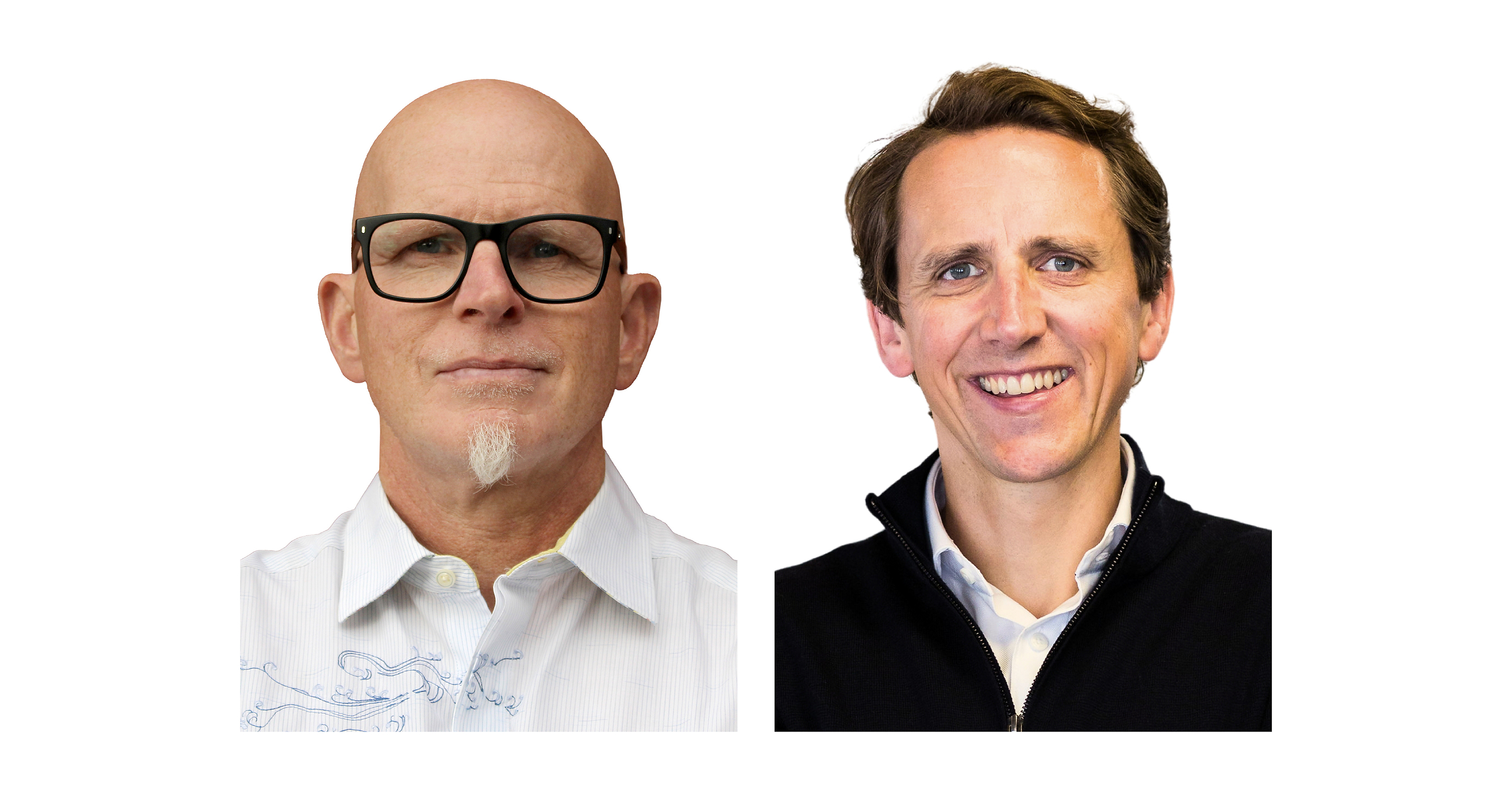
TXO acquired Canadian telecommunications solutions provider Wesbell Communications to expand its end-to-end technology lifecycle services, Tier 1 customer relationships, engineering capabilities and processing capacity. The deal supports TXO's acquisition-led international growth strategy following prior purchases of MMX (2019), Lynx UK (2023), TEQPORT (2024) and AirWay Group (2025). Financial terms were not disclosed; the acquisition is expected to broaden TXO's ability to support AI-related modernization, resilient networks, equipment reuse and sustainable infrastructure management.
Analysis
This is not directly investable: TXO is privately controlled and neither valuation nor consideration, leverage, customer concentration, backlog, or recurring-revenue mix is disclosed. The market implication is therefore limited to a modest read-through that telecom operators are still willing to outsource field engineering, maintenance and asset-lifecycle work rather than fully internalize it. That favors service providers with installed-base relationships, but it is unlikely to alter near-term capex expectations for BCE, T or RCI.B without evidence that the acquired contracts represent incremental network modernization spend rather than vendor consolidation.
The more relevant second-order issue is supplier rationalization. A larger lifecycle-services platform can capture a greater share of repair, recovery and decommissioning budgets, potentially reducing the residual economics available to smaller regional contractors and used-equipment brokers. Over 6-18 months, the strategic value depends on whether TXO can cross-sell into North American customers while preserving local labor capacity; integration failure would show up first in utilization, project delivery delays and working-capital consumption, not revenue.
Consensus should not extrapolate this transaction into a broad telecom-capex recovery. Lifecycle outsourcing can rise precisely when carrier capital budgets remain constrained, because it extends asset lives and defers replacement purchases. That dynamic is mildly negative at the margin for new-equipment vendors such as ERIC and NOK, although the disclosed information is insufficient to establish a tradeable revenue impact.
AllMind Terminal
AI-powered research, real-time alerts, and portfolio analytics for institutional investors.
Request TrialMarket Sentiment
Overall Sentiment
moderately positive
Sentiment Score
0.48
Key Decisions for Investors
- No standalone position: treat the announcement as a private-market competitive datapoint, not a catalyst for publicly listed telecom equipment or carrier equities.
- Monitor BCE, T and RCI.B over the next 1-3 months for procurement commentary, maintenance outsourcing disclosures and network-services opex trends. A sustained reduction in maintenance intensity alongside stable service quality would support the asset-life-extension thesis; accelerated replacement capex would falsify it.
- Maintain a watch alert on ERIC and NOK: consider a tactical underweight only if upcoming earnings calls show North American customers explicitly shifting spend from network replacement toward repair, third-party maintenance or equipment reuse. Without such confirmation, the indirect exposure is too small for a recommendation.
- For private-credit or sponsor diligence, require TXO leverage, purchase-price multiple, customer concentration, contract renewal terms and pro forma working-capital data before underwriting acquisition-driven growth. The key downside is that labor-heavy service revenue may be less cash generative than headline scale suggests.
More News
- Mark Ruffalo says Paramount’s $111 billion Warner Bros. deal ‘Will stifle creativity, weaken free speech, and cost people their jobs’
- States, cities sue U.S. agencies over weaker vehicle fuel economy rules
- David Ellison says combined Paramount and Warner Bros. Discovery will be named Skydance
- Trump vs Europe as US presses for release of emergency diesel stocks
- Paramount and Warner Bros Discovery to become Skydance
- FAA says Boeing 737 Max software glitch not a flight-safety issue