
Boot Barn's Buy Online, Pick Up In Store Drives More Traffic
Source: zacks.com
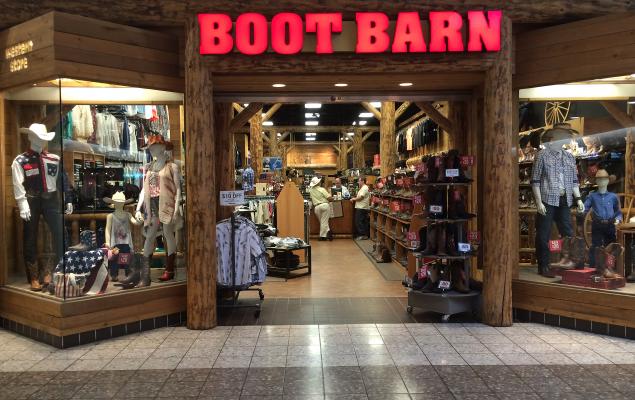
Boot Barn's fiscal Q1 2027 e-commerce comparable sales rose 13.4%, while consolidated and brick-and-mortar same-store sales increased 4.7% and 3.8%, respectively. Its BOPIS and ship-to-store offerings are driving store traffic, lowering fulfillment costs and supporting merchandise margins as stores fulfill a substantial share of online orders. Comparable-store growth was aided by a 3% increase in average unit retail, though transaction volume was approximately flat.
Analysis
BOOT's incremental advantage is not digital demand alone but store-level inventory pooling: fulfilling locally can reduce markdown risk and parcel expense while raising inventory turns. The key limitation is that transaction growth is not yet evident; pricing is carrying the store comp, so investors should not capitalize the e-commerce growth rate until conversion, units per transaction, and exclusive-brand penetration demonstrate that digital traffic is creating incremental—not merely re-routed—store demand.
Over the next 1-3 months, BOOT's multiple can expand if holiday guidance shows digital growth translating into gross-margin leverage and clean inventories. The more material 6-18 month upside is a higher store productivity ceiling: omnichannel fulfillment can support new-unit economics before a market is mature enough for a full assortment. Conversely, dispersed store fulfillment can become margin-dilutive if labor, split shipments, and return rates rise faster than sales; management's attribution difficulty leaves the claimed traffic benefit insufficiently verified.
DECK is the cleaner quality expression of this theme because its owned brands retain more control over product, pricing, and DTC economics, but that also leaves it more exposed to a premium-consumer slowdown and elevated expectations. AEO's improving omnichannel narrative is less investable absent evidence that conversion marketing lifts American Eagle traffic without heavier promotional spend; Aerie remains the more valuable proof point. Consensus may overread BOPIS as a moat: the capability is increasingly table stakes, while BOOT's defensibility depends on exclusive assortments and local inventory availability rather than checkout convenience.
AllMind Terminal
AI-powered research, real-time alerts, and portfolio analytics for institutional investors.
Request TrialMarket Sentiment
Overall Sentiment
mildly positive
Sentiment Score
0.38
Ticker Sentiment
Key Decisions for Investors
- Maintain a modest long BOOT only into the next earnings/holiday update if weekly channel checks show transaction growth turning positive and inventory remains below sales growth; target 10-15% upside on gross-margin and productivity re-rating, with a 7-8% stop if transactions remain flat or guidance implies incremental promotions.
- Pair long DECK / short AEO over 3-6 months as the higher-quality owned-brand, DTC-led compounder versus a more promotion-sensitive apparel turnaround; reassess if AEO delivers two consecutive quarters of traffic-led comparable sales growth with stable or improving merchandise margin.
- Do not add broad retail beta on this item. Set an alert on BOOT for disclosure of fulfillment cost per order, digital return rates, and exclusive-brand mix: without those metrics, the margin benefit is a management assertion rather than a confirmed earnings catalyst.
- For a contrarian tactical setup, fade any outsized BOOT post-earnings rally above roughly 15% absent unit/transaction acceleration; price-led comps and uncertain online-to-store attribution make a premium multiple vulnerable to even a modest consumer or markdown miss.
More News
- Anthropic warns government attitudes may hurt customer ties, IPO prospectus shows: Reuters
- FAA says Boeing 737 Max software glitch not a flight-safety issue
- Your health insurance premiums may take a big jump in 2027 — here's why
- Anthropic to invest $100 million to train AI engineer talent
- Paramount and Warner Bros. Discovery to Merge Into Skydance (SKYD). Will Skydance Achieve David Ellison’s "Quality Storytelling" Vision?
- Big Pharma turns to China for new drugs as patent cliff drives multibillion-dollar deals