
New Clinical Findings Show Promising Improvement in Melasma in Fitzpatrick V Skin
Source: PR Newswire
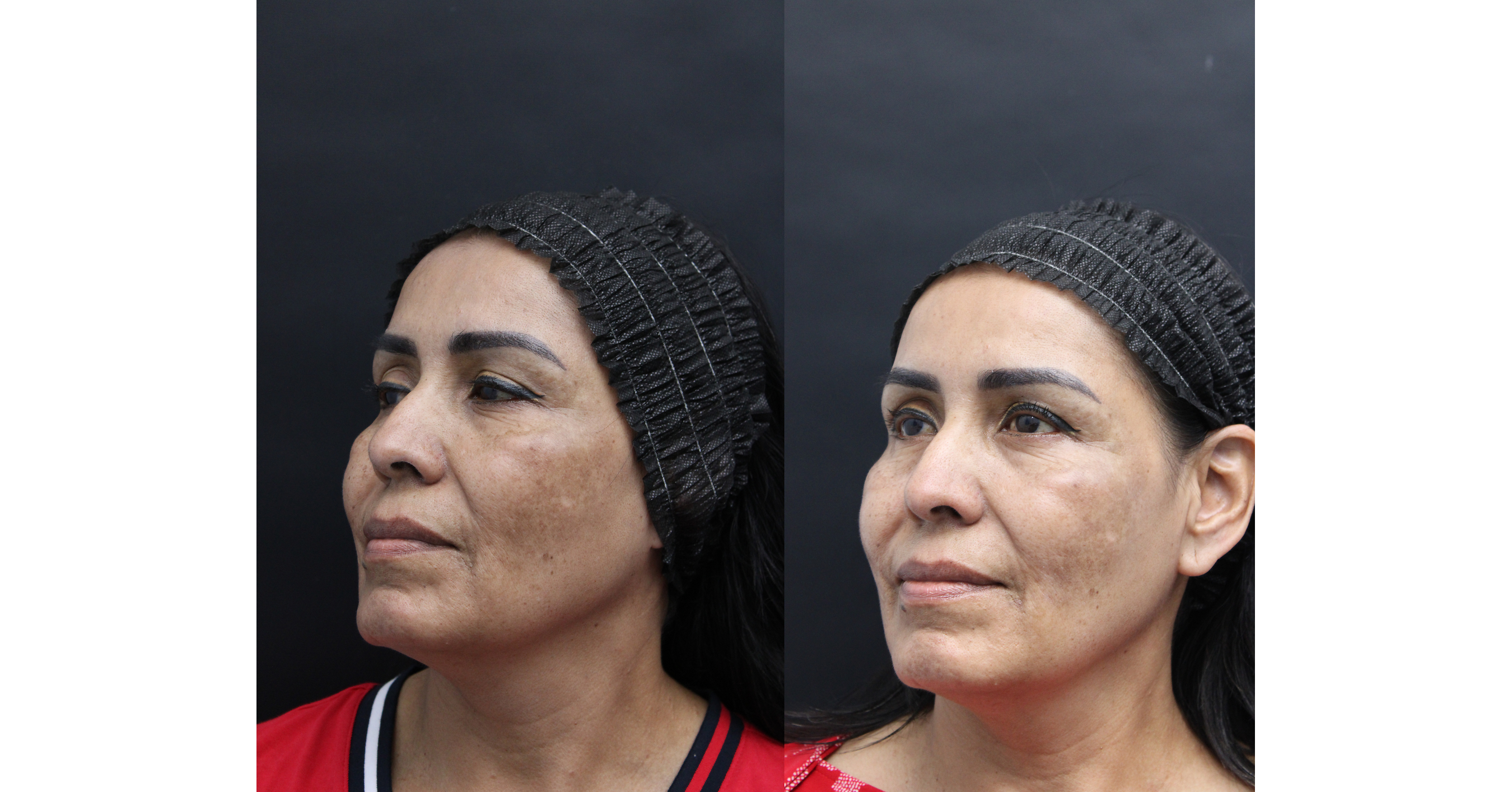
Induction Therapies reported visible improvement in longstanding facial melasma in a single Fitzpatrick skin type V patient after four Collagen P.I.N. microneedling treatments over eight weeks combined with PRX8 plant-derived exosome serum. Improvement persisted through a two-week post-treatment follow-up, with no adverse reactions reported. The findings are encouraging for personalized aesthetic treatment protocols, but the limited single-patient evaluation constrains near-term commercial and market significance.
Analysis
This is not investable efficacy evidence: an uncontrolled, single-patient, short-duration evaluation cannot establish durability, recurrence rates, or whether the observed change exceeds the effect of concurrent sunscreen adherence and post-procedure inflammation resolution. The near-term commercial implication is limited to practitioner marketing and potential consumables pull-through, not a basis for forecasting a step-change in device placements or recurring serum revenue.
The relevant competitive issue is that a successful protocol—if replicated—could shift value from standalone topical pigmentation products toward clinician-administered combination regimens. That could modestly support premium microneedling utilization while pressuring lower-differentiated at-home skincare claims, but the category remains fragmented and largely private; there is no clear listed-company read-through. Incumbent energy-based and aesthetic-device vendors could respond through bundled protocols rather than price competition, limiting any durable differentiation from a cartridge-design claim.
Over the next 1-3 months, the only meaningful catalyst would be publication of a controlled, multi-center dataset with objective pigmentation scoring, follow-up beyond 6-12 months, and treatment discontinuation/recurrence data. Over 6-18 months, reimbursement is unlikely to be a catalyst because melasma treatment is predominantly cash-pay; adoption depends on physician training, treatment time, consumable economics, and adverse-event performance in darker skin types. Thesis is falsified positively only by independently reproducible data showing durable efficacy without post-inflammatory hyperpigmentation; absent that, this should be treated as promotional noise rather than a sector signal.
AllMind Terminal
AI-powered research, real-time alerts, and portfolio analytics for institutional investors.
Request TrialMarket Sentiment
Overall Sentiment
mildly positive
Sentiment Score
0.28
Key Decisions for Investors
- No trade: there are no disclosed public tickers, financial terms, placement data, or controlled clinical endpoints sufficient to underwrite an equity or options position.
- Create an alert for any strategic partnership, acquisition, or distribution agreement involving a listed aesthetics-device company; require disclosed device-placement growth, recurring consumables mix, and controlled clinical data before assigning revenue sensitivity.
- For broader aesthetic-device exposure, avoid extrapolating this release into demand estimates for public proxies such as InMode (INMD) or Bausch Health (BHC). Reassess only if channel checks show protocol-driven incremental procedure volume rather than substitution from existing skin-rejuvenation treatments.
More News
- Here’s the ‘core economic flaw’ in the AI bull case as stock and bond trades unravel, according to a top economist
- 5 big analyst AI moves: ’Uniquely catalyst-rich’ months ahead for SpaceX
- Xencor reports phase 1 data for cancer drug XmAb819
- The experience economy keeps defying expectations. Maybe we’ve been looking at it all wrong
- The U.S. military and NASA have power problems. Nuclear microreactors might solve both
- Biotech stocks are surging. How investors can play the new drug innovation boom