
In HelloNation, Expert Electrical Contractor Thomas Reilly Outlines What Impacts the Cost to Rewire a Home
Source: PR Newswire
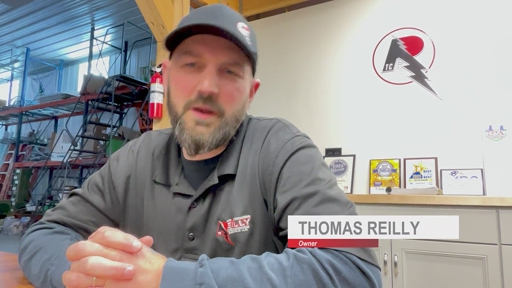
HelloNation published a sponsored educational article on residential rewiring costs in Southern New Hampshire and Northern Massachusetts, citing square footage, wiring age, access, permits, code requirements and electrical-panel capacity as primary cost drivers. The article emphasizes that replacing pre-1950s knob-and-tube or cloth-wrapped wiring can reduce fire risk, add grounding and support higher modern loads such as EV chargers, heat pumps and smart-home equipment. No specific project costs, company financial results, or market-moving developments were disclosed.
Analysis
This is localized promotional content rather than a demand data point, so it does not justify a directional position in public home-improvement equities. The investable mechanism is real but diffuse: electrification upgrades frequently require panel capacity, service upgrades, and remediation work before homeowners can add EV charging, heat pumps, or distributed energy. That prerequisite spend can delay adoption of higher-ticket electrification products when household budgets are constrained, even as it expands the long-run electrical-contractor labor backlog.
Over the next 1-3 months, the relevant read-through is permitting and residential renovation activity, not consumer awareness content. Watch electrical permit growth in older Northeast housing stock, residential service-center backlog commentary from electrical distributors, and panel/load-center demand; a sustained acceleration would favor Eaton (ETN), Hubbell (HUBB), and nVent (NVT). Conversely, a weakening existing-home turnover and renovation cycle would limit near-term volume conversion because discretionary whole-home remediation is typically bundled with remodels or transactions.
The non-obvious structural beneficiary is ETN rather than a pure residential retailer: grid constraints, heat pumps, EV chargers and backup power increase demand for higher-value power-management equipment and service upgrades, supporting mix and pricing over 6-18 months. The risk is that utility interconnection delays, contractor scarcity, or consumer financing costs shift upgrades from full-panel replacement toward lower-cost load-management solutions, reducing equipment content per project. This article alone is insufficient evidence of a tradable inflection; treat it as a thematic watch item.
AllMind Terminal
AI-powered research, real-time alerts, and portfolio analytics for institutional investors.
Request TrialMarket Sentiment
Overall Sentiment
neutral
Sentiment Score
0.05
Key Decisions for Investors
- No immediate trade on this item; require confirmation from 1-3 months of Northeast electrical-permit growth and distributor commentary before increasing residential-electrification exposure.
- Watch ETN and HUBB for residential power-management demand in upcoming earnings calls; initiate incremental long exposure only if backlog/orders and margin guidance confirm service-upgrade demand, with a 6-18 month horizon.
- Monitor NVT as a higher-beta electrical-enclosure/content proxy, but avoid a standalone long until renovation indicators stabilize; its thesis is falsified by declining residential orders or guidance implying price-led rather than volume-led growth.
- For a confirmed electrification-capex acceleration, prefer long ETN versus short a broad discretionary home-improvement proxy such as XHB: ETN has greater exposure to mandated electrical content, while XHB remains more sensitive to housing turnover and financing conditions.
More News
- 'Hostile act': Trump threatens EU with tariffs over Canada associate-membership proposal
- US military claims Strait of Hormuz remains open amid ongoing blockade
- US official says upcoming spectrum auctions could generate more than $100 billion
- Investors react to Fed hike and market sell-off: Brace for 'higher for longer' rates
- Yemeni forces target Houthis and a Saudi base as US rules out direct role
- Fed approves interest rate hike, signals one more to come this year