
Tumbling Global Government Bonds Put Yields on Brink of 4%
Source: Bloomberg
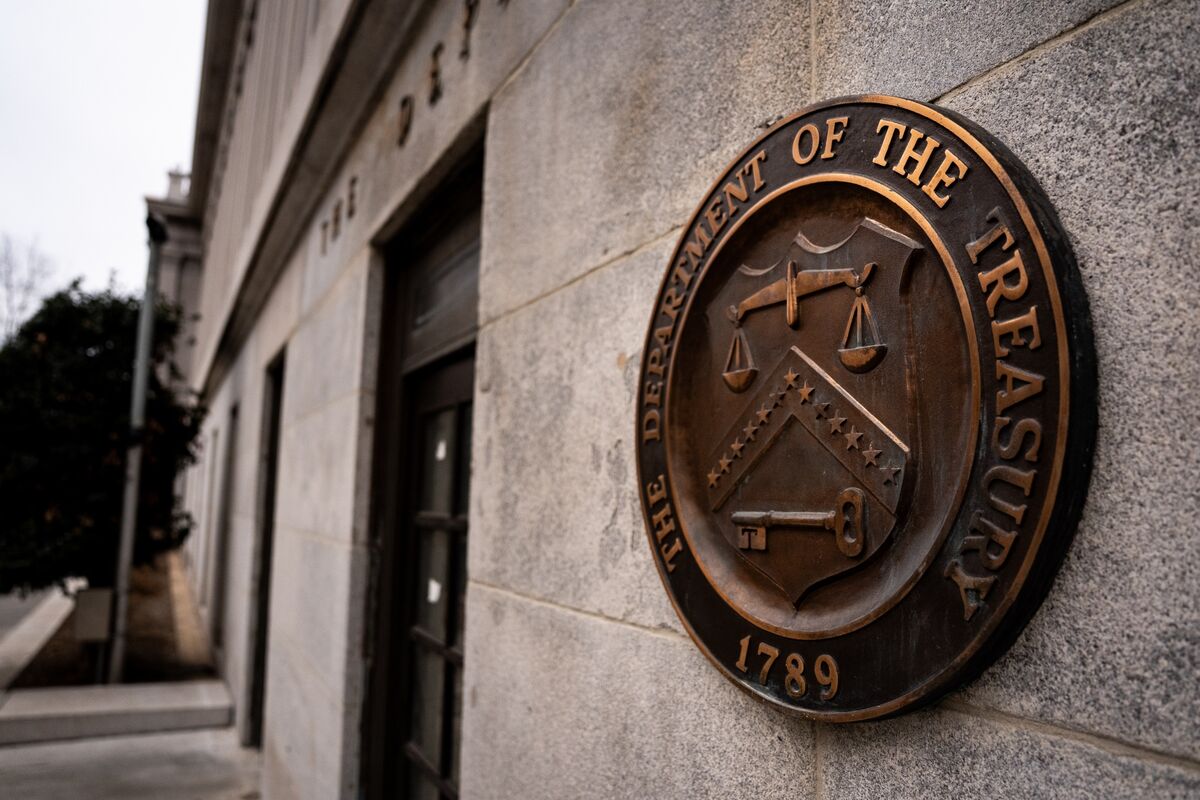
The average yield on global government debt climbed 8bps to 3.99%, nearing 4% for the first time since 2007 amid a worsening sovereign-bond selloff. Strong US economic data and a weak five-year Treasury auction—ranked the second-worst by one measure since 2018—drove Treasury yields across much of the curve to multiyear highs. Rising benchmark yields tighten financial conditions and pose a broad risk to bond valuations and rate-sensitive assets.
Analysis
The relevant signal is not the round-number global yield level but the deterioration in marginal demand for duration at a time when fiscal supply is structurally rising. A weak auction tail raises the term-premium component of yields rather than simply repricing the policy-rate path; that is more damaging to long-duration equities, leveraged real estate and private-credit marks than to banks. In the next few sessions, a further 10-15bp rise in the US 10-year would likely pressure QQQ, XLRE and utilities disproportionately, while steepening supports insurers with reinvestment income exposure such as ALL and MET.
Over 1-3 months, the key transmission is refinancing: higher benchmark yields widen all-in funding costs for commercial real estate, sponsor-backed borrowers and highly levered small caps even if credit spreads initially remain contained. KRE is not a clean outright beneficiary: asset yields reprice upward, but unrealized securities losses and CRE reserve risk can offset NII gains. The cleaner relative expression is long insurers versus short rate-sensitive REITs, where cap-rate expansion and refinancing needs can force NAV and dividend-reset revisions.
Consensus may over-attribute the move to resilient growth and underweight the possibility that it reflects an investor-required fiscal risk premium. If upcoming inflation data soften, crowded duration shorts can reverse violently because nominal yields near 4% restore meaningful demand from liability-driven and reserve managers. The thesis is falsified by strong auction bid-to-cover and indirect participation, a sustained 10-year yield below 3.80%, or material downward revisions to Treasury borrowing estimates; those would favor a tactical rally in TLT and a rebound in long-duration growth.
The 6-18 month implication is a higher discount-rate regime, not necessarily a continuously rising-yield regime: equity multiples for unprofitable software, infrastructure vehicles and low-cap-rate property remain vulnerable even if policy easing eventually begins. Watch term premium, auction tails, quarterly refunding guidance and 5y5y inflation expectations rather than headline CPI alone; a stable policy-rate outlook with rising term premium is the adverse combination for duration-sensitive risk assets.
AllMind Terminal
AI-powered research, real-time alerts, and portfolio analytics for institutional investors.
Request TrialMarket Sentiment
Overall Sentiment
moderately negative
Sentiment Score
-0.48
Key Decisions for Investors
- Initiate a 1-3 month pair: long ALL and MET / short XLRE, sized beta-neutral. Insurers gain from reinvestment yields while REIT valuation and refinancing pressure compounds; target 8-12% relative return, stop if the US 10-year closes below 3.80% for five sessions.
- Maintain a tactical short-duration bias via underweight TLT or a 3-month TLT put spread only after confirmation from another weak Treasury auction or a 10-year break above the recent high. Risk is a soft inflation print triggering a sharp short-covering rally; cap premium at 1-1.5% of notional.
- Reduce exposure to highly levered real-estate and private-credit proxies, particularly mortgage REITs and BDCs with material floating-rate borrower stress. Do not add broad KRE shorts without bank-by-bank CRE and securities-duration data; NII resilience may create significant dispersion.
- Set event alerts for Treasury quarterly refunding, 10-year/30-year auction tails, and 5y5y inflation expectations. A combination of improved auction demand and 10-year yields below 3.80% warrants covering duration shorts and selectively adding QQQ or TLT for a 1-2 month reversal trade.
More News
- Japan's 10-year bond yield hits 30-year high following sell-off in Treasurys
- US Debt Selloff Spans Most Maturities: Evening Briefing Americas
- Markets are rapidly coming around to the reality that the Fed has a lot more work to do
- Treasury Yields Spike on Rate-Hike Fears as Oil Climbs
- Here's what happens to the economy when Treasury yields soar like they are now
- Gold steadies after selloff as oil, strong U.S. data lift Fed hike bets