
Kpler warns $150 oil still on the table for 2027, price pressures no longer short-term
Source: youtube.com
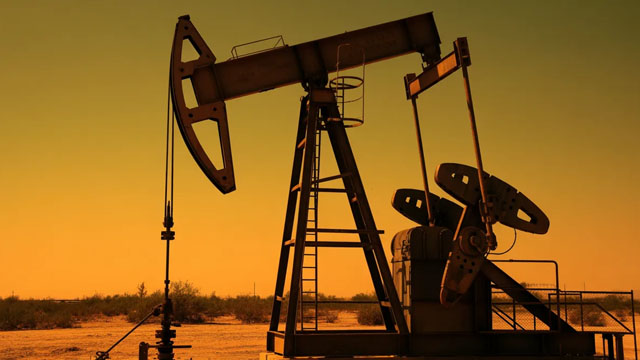
Kpler warns that higher oil prices are becoming structural, with Europe likely to be first affected by a deepening diesel and jet-fuel supply squeeze. Constrained refinery capacity and disruptions to Red Sea and Strait of Hormuz flows could lift transport-fuel prices at the pump, adding inflationary pressure and potentially tightening energy markets further.
Analysis
The investable expression is not broad crude beta but a European middle-distillate crack-spread shock. Long-haul and network carriers with large unhedged fuel exposure—Lufthansa (LHA.DE), Air France-KLM (AF.PA) and IAG (IAG.L)—face a margin squeeze that is difficult to pass through during the current booking cycle; a sustained $10/bbl-equivalent increase in jet fuel can remove several hundred basis points from airline EBIT margins. European trucking, chemicals and consumer-facing distributors are secondary losers, while diesel-intensive inflation would also make ECB easing expectations more fragile and pressure European cyclicals through rates as well as input costs.
Refiners are an imperfect hedge. Neste (NESTE.HE), OMV (OMV.VI), Repsol (REP.MC) and TotalEnergies (TTE.PA) can benefit if distillate cracks widen, but only where throughput is operationally available; disruption-related freight, insurance and feedstock costs can absorb part of the headline crack-spread gain. The cleaner relative-value setup is therefore long European refining exposure versus short European airlines, rather than long energy equities outright. Over 1-3 months, the catalyst is weekly European diesel inventories, jet-fuel crack spreads and airline fuel-hedging disclosures; over 6-18 months, persistently high distillate prices could revive refinery-upgrade investment and weaken demand, ultimately narrowing cracks.
Consensus may over-extrapolate a fuel-price spike into a uniformly bullish oil thesis. Physical-product tightness can coexist with flat crude if demand destruction, inventory releases or a normalization of shipping routes reduces the location premium. The thesis is falsified by a sustained narrowing in Northwest Europe diesel and jet cracks, declining tanker insurance/freight premia, or airline guidance indicating fuel-cost inflation is being fully offset through yields and hedges. Because the cited warning is not independently quantified, this should be traded only after confirmation in observable crack and freight data.
AllMind Terminal
AI-powered research, real-time alerts, and portfolio analytics for institutional investors.
Request TrialMarket Sentiment
Overall Sentiment
mildly negative
Sentiment Score
-0.35
Key Decisions for Investors
- Initiate a 1-3 month pair: long TTE.PA or REP.MC / short IAG.L, sized market-neutral. Target a 10-15% relative move if European distillate cracks remain elevated; exit if jet and diesel cracks retrace materially for two consecutive weeks or IAG raises yield guidance enough to offset fuel inflation.
- Use a basket short of LHA.DE and AF.PA rather than a directional crude long ahead of next earnings updates. Limit risk with 5-7% stops on the basket: the key upside risk is aggressive fare repricing, a stronger euro versus the dollar, or hedging coverage above market assumptions.
- Add European refinery exposure only on confirmation: monitor Northwest Europe diesel crack spreads and refinery-utilization data. If cracks widen while utilization remains constrained, buy NESTE.HE or OMV.VI for a 3-6 month hold; avoid if higher feedstock and logistics costs prevent refining-margin capture.
- Reduce broad European cyclical exposure or hedge via short SXPP/European transportation proxies if fuel-driven inflation lifts market-implied ECB terminal-rate expectations. This is a days-to-weeks transmission channel and should be unwound if inflation swaps and diesel prices decouple.
More News
- Bank of Japan raises interest rates to 31-year high, flags concerns over inflation
- Italy to deploy warships to protect shipping through Bab al-Mandeb
- UN mission finds evidence of U.S. war crimes in Iran; Washington rejects report
- Oil prices fall as Saudi supply hopes outweigh fresh Houthi strikes
- Why is the Japanese yen sliding today?
- Oil prices fall for 3rd day as supply concerns ease, diplomacy in focus