
Latest Oil Market News and Analysis for Oct. 2
Source: Bloomberg
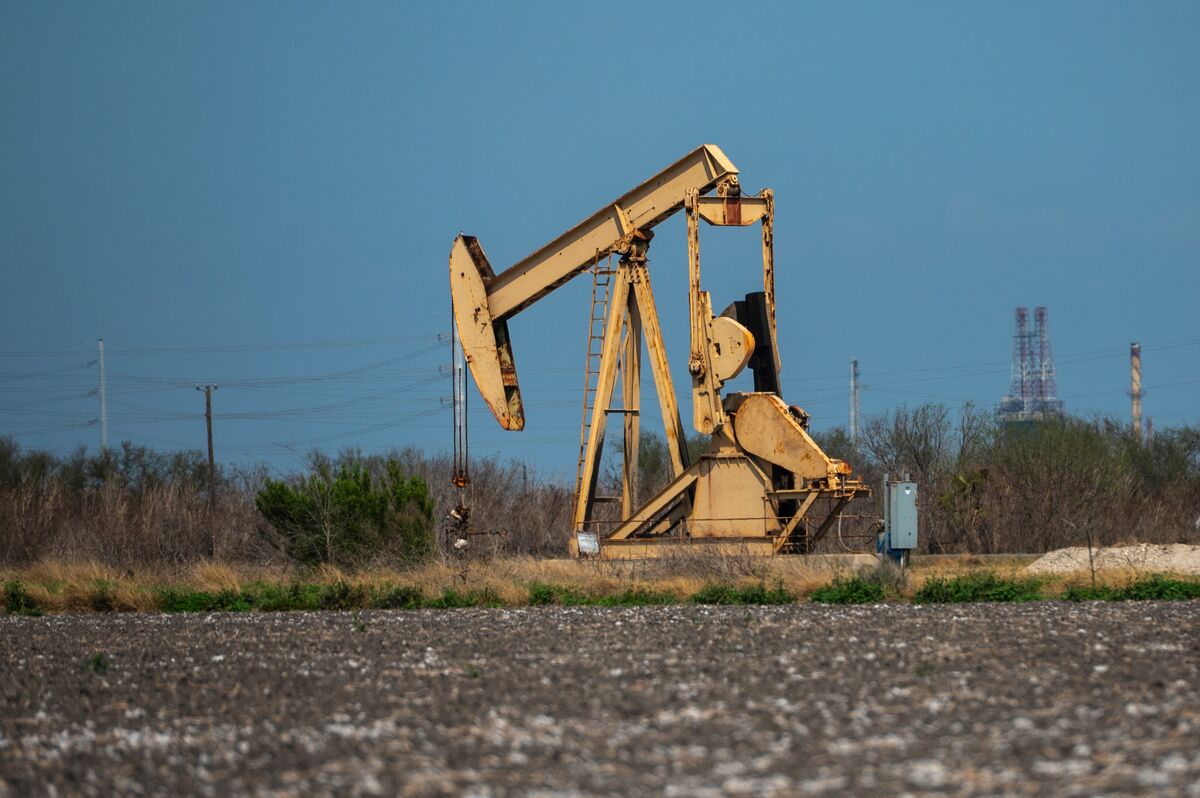
WTI crude rose above $93 per barrel after gaining nearly 3% in the prior session, while Brent settled near $102, as an escalating Middle East conflict threatened regional energy flows. The Pentagon may deploy another aircraft carrier and 10,000 sailors and Marines to the Persian Gulf, increasing the risk of further US-Iran escalation and potential supply disruption.
Analysis
The market is repricing a transport-and-insurance risk premium rather than a confirmed loss of physical supply. That distinction favors liquid crude exposure initially, but raises the probability of a sharp reversal if shipping flows remain operational; the first 3-5% upside in Brent is typically easier than the next 10% once commercial inventories, tanker rates and Gulf export loadings prove resilient. Watch Brent time spreads, VLCC rates and war-risk premia: backwardation widening alongside freight escalation would validate a genuine prompt-barrel squeeze.
Near term, US independent E&Ps offer higher crude beta than integrated majors, while refiners face a more mixed setup: product cracks can initially offset feedstock costs, but sustained crude above $100/bbl compresses demand and raises working-capital needs. Airlines and chemicals are the cleaner second-order shorts, particularly names with limited fuel hedging or weak pricing power. The less obvious beneficiary is US LNG: a prolonged disruption premium supports European gas substitution demand and improves the strategic value of Gulf Coast export capacity.
Consensus may over-extrapolate a geopolitical headline into a durable supply shock. Absent measurable disruption to Strait of Hormuz transit or Iranian/Gulf export volumes, elevated prices invite demand destruction, accelerated non-OPEC supply response and political pressure for inventory releases or sanctions flexibility within 30-90 days. The structural 6-18 month implication is nevertheless constructive for North American upstream capital discipline: higher forward curves improve hedging economics and reinforce shareholder-return capacity without requiring aggressive production growth.
AllMind Terminal
AI-powered research, real-time alerts, and portfolio analytics for institutional investors.
Request TrialMarket Sentiment
Overall Sentiment
moderately positive
Sentiment Score
0.42
Key Decisions for Investors
- Initiate a 1-3 month long XOP / short XLE pair: independents have materially greater WTI sensitivity and less downstream offset than integrated majors. Target 8-12% relative upside if Brent holds above $100; exit if Brent closes below $94 or prompt spreads flatten, signaling the geopolitical premium is fading.
- Use defined-risk upside in crude rather than chasing futures: buy 2-3 month USO call spreads or Brent-equivalent call spreads with strikes roughly 5% and 15% above spot. This captures a confirmed transit disruption while limiting loss if military signaling does not impair exports.
- Add a tactical short basket in fuel-sensitive transport via long XLE / short JETS, sized for a 4-8 week window. Tighten risk if jet-fuel cracks fail to rise with crude or if Brent retreats below $95; airlines can recover quickly when energy spikes prove temporary.
- Watch Cheniere (LNG) and Energy Transfer (ET) for a 1-6 month relative-long entry only if European gas prices and US LNG netbacks rise concurrently; crude alone is insufficient confirmation. A failure of TTF pricing to respond would weaken the gas-substitution thesis.
- Do not add broad energy exposure after a headline-driven gap without confirmation from Hormuz transit data, tanker insurance rates and Brent backwardation. A verified decline in Gulf loadings is the catalyst for increasing gross; uninterrupted flows are the thesis falsifier.
More News
- US to send third aircraft carrier towards Iran: US official to Al Jazeera
- Dollar at 17-month high as global bond rout hits euro
- Trump says US may ask Europe to release diesel reserves
- Trump launches midterms campaign blitz amid record low approval ratings
- US borrowing costs hit 24-year high as global bond sell-off intensifies
- Oil holds gains as U.S. weighs more Middle East military presence