
Wythe Windows Supports the Requity Foundation to Transform Condemned West Baltimore Rowhouse into Passive House
Source: PRWeb
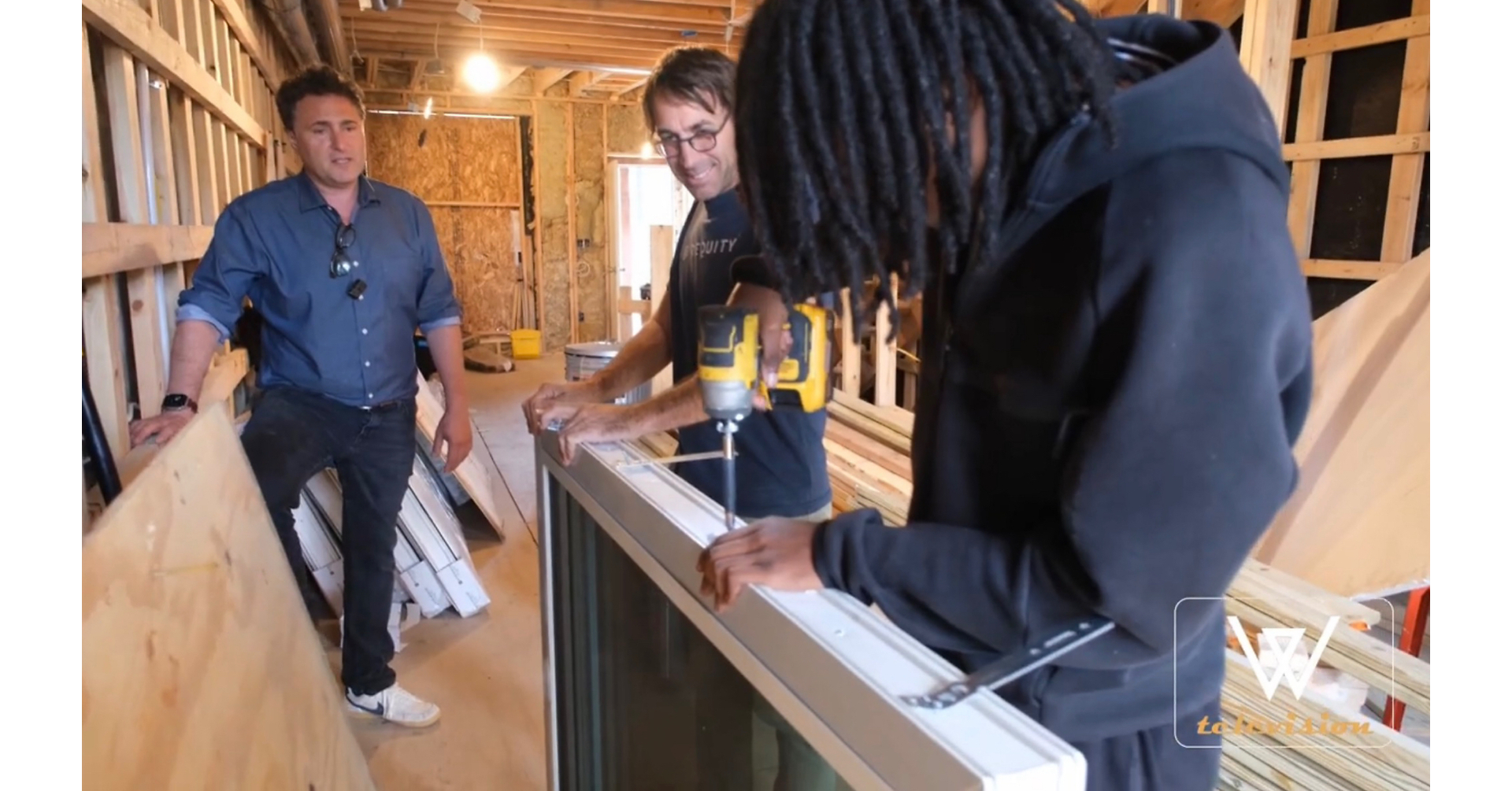
Wythe Windows donated custom triple-pane, airtight tilt-turn windows to convert Baltimore's condemned Carver House into a Passive House-standard home. The Requity Foundation project trained 57 students ages 14-19 in construction trades while addressing energy costs, mold, flooding and vacancy challenges in West Baltimore. Baltimore has reduced vacant properties by one-fourth to fewer than 12,000, although the announcement is primarily a localized community-development initiative with limited direct market impact.
Analysis
This is not investable company-specific news: Wythe and the nonprofit are private, and NYT has no economic exposure to the renovation activity referenced. The donation is marketing spend rather than evidence of recurring demand, pricing power, backlog, or a scalable procurement contract; no direct trade is warranted from the release.
The more relevant read-through is that deep-energy retrofits of aging urban housing remain constrained by upfront capital and contractor availability, not by window technology. If municipal vacancy-reduction programs begin bundling energy upgrades into repeatable portfolios, publicly traded building-envelope suppliers and distributors—JELD, MHK, FBIN and BLDR—could see incremental demand, but single-home demonstrations do not alter estimates. Higher-performance windows can also shift value toward HVAC efficiency and indoor-air-quality equipment, benefiting CARR, TT and JCI only if retrofit volumes scale.
Over the next 6-18 months, the key catalyst is implementation data from federal/state efficiency incentives, local affordable-housing capital allocations, and multifamily retrofit starts. A sustained decline in mortgage rates would improve renovation financing and residential repair/remodel activity, but it could simultaneously redirect capital toward new construction, where product mix and supplier share differ. The contrarian view is that passive-house specifications may remain a premium niche: labor, permitting, and financing complexity can absorb much of the homeowner energy savings, limiting broad-margin upside for component manufacturers.
AllMind Terminal
AI-powered research, real-time alerts, and portfolio analytics for institutional investors.
Request TrialMarket Sentiment
Overall Sentiment
mildly positive
Sentiment Score
0.32
Key Decisions for Investors
- No position in NYT or any proxy based on this release; treat as immaterial marketing/community-relations news absent disclosed contract value, backlog conversion, or public procurement commitments.
- Place a 1-3 month watch alert on JELD, FBIN and BLDR for evidence of funded municipal or multifamily envelope-retrofit programs; consider a basket long only after order/backlog commentary confirms volume rather than pilot activity.
- For a broader efficiency-retrofit thesis, prefer a staged long in CARR or TT following a material acceleration in residential/multifamily retrofit bookings; invalidate if higher-for-longer rates suppress repair/remodel demand or management guides to margin pressure from channel discounting.
- Avoid extrapolating Passive House adoption into a near-term earnings catalyst for building-products equities. Require data on incentive uptake, installed-cost declines, and contractor capacity before underwriting a 6-18 month multiple re-rating.
More News
- Intel surges 12% as CPU stocks rally. Here's what's driving the move
- The US spent billions on border surveillance. Why can’t it catch people before they die?
- Paramount reportedly nears settlement with states suing to block Warner Bros Discovery takeover
- Russel Vought will reportedly be given veto power over all NIH grants
- Data center companies delay IPOs amid growing public opposition
- CNN, Politico, MS NOW to sue Trump administration over White House ban