
Ukraine Civilian Casualties Surge as Russia Intensifies Strikes
Source: Bloomberg
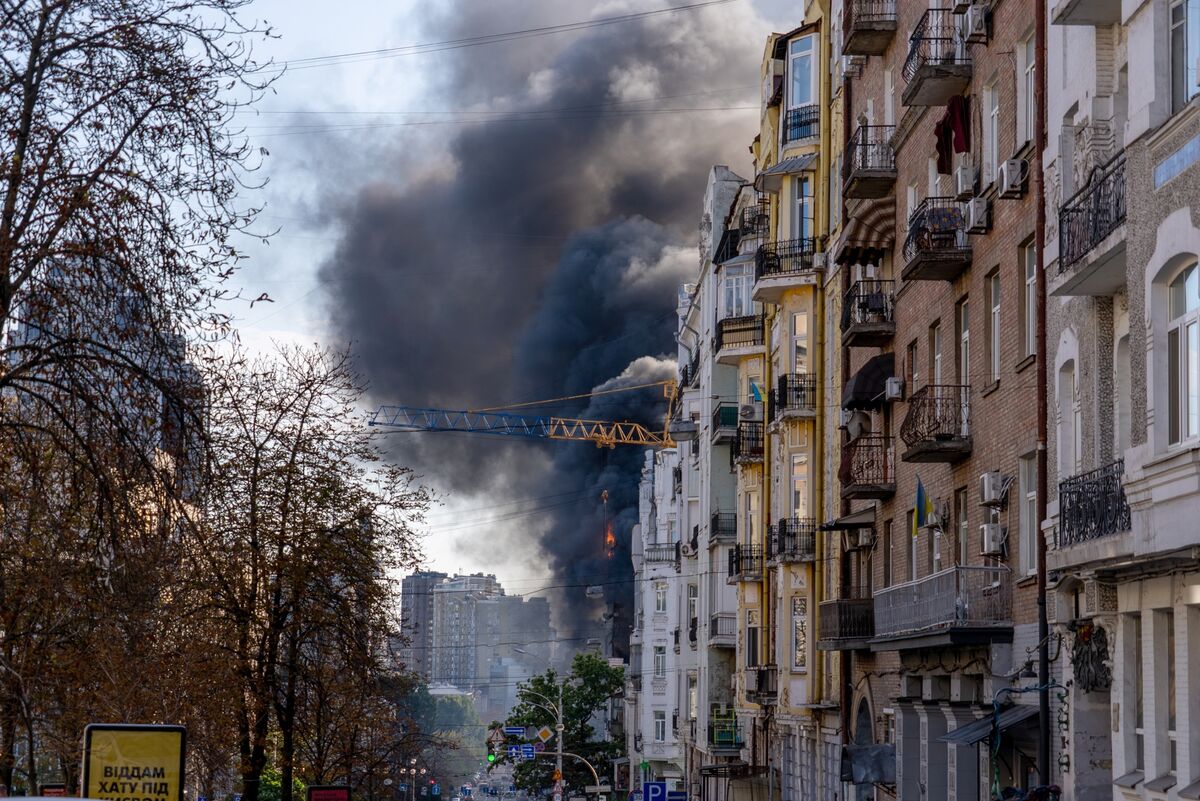
UN human rights monitors reported civilian casualties in Ukraine rose 85% in September, with at least 328 people killed and 2,105 injured. They attributed the increase to intensified Russian drone and missile attacks and said September’s total was the highest for that month since Russia’s 2022 full-scale invasion.
Analysis
The report raises the probability of a more persistent European security premium, but it is not by itself evidence of NATO entry, new sanctions, or disruption to energy and grain flows. The immediate market impact may therefore be muted unless strikes expand to infrastructure or trigger a policy response. Over 1–3 months, the more investable transmission is defense procurement and replenishment; any revenue benefit would arrive with a lag and depends on orders, production capacity, and budgets—not casualty counts alone. European defense could outperform broad European cyclicals if escalation persists, while energy and agricultural risk premia warrant attention only if physical supply or transport is threatened. Over 6–18 months, sustained pressure could reinforce defense spending, but that does not establish that current valuations or expected contract wins are attractive. A diplomatic de-escalation, falling strike intensity, or lack of follow-through in procurement would unwind the security premium. The contrarian point: severe humanitarian news can be strategically important yet have limited incremental market value when it does not change policy, supply, or earnings expectations.
AllMind Terminal
AI-powered research, real-time alerts, and portfolio analytics for institutional investors.
Request TrialMarket Sentiment
Overall Sentiment
strongly negative
Sentiment Score
-0.65
Key Decisions for Investors
- No broad risk-off position on this report alone: the link to corporate cash flows is indirect, and the stated market impact is modest.
- Watch for a relative-value entry in European defense versus broad European cyclicals if escalation is followed by concrete procurement or budget announcements. Require evidence of order conversion and capacity; exit or stand aside if defense underperforms despite those catalysts.
- Treat energy and grain exposure as conditional hedges, not base-case longs. Reassess if attacks threaten production, export infrastructure, or shipping; absent that, avoid paying up for a supply shock that has not occurred.
- Monitor strike intensity, NATO or EU policy changes, procurement commitments, and European gas and grain prices over the next 1–3 months. De-escalation or no policy response would falsify the case for a durable security-premium trade.
More News
- Ukraine advances in occupied Donetsk as Trump hands Putin diesel deal
- Trump says White House didn't order Starlink restrictions in Ukraine
- Trump rules out using a nuclear bomb on Iran: Why that matters
- Trump says he won't use nuclear weapons or send ground troops to Iran
- U.S. crude oil tops $100 as Iran escalates Hormuz attacks, Ukraine vows to hit Russian refineries
- 4 reasons why Bank of America is in 'risk-off' mode for the next month