
Canada’s Carney to Reply After EU’s Von der Leyen Proposes Associate Membership
Source: Bloomberg
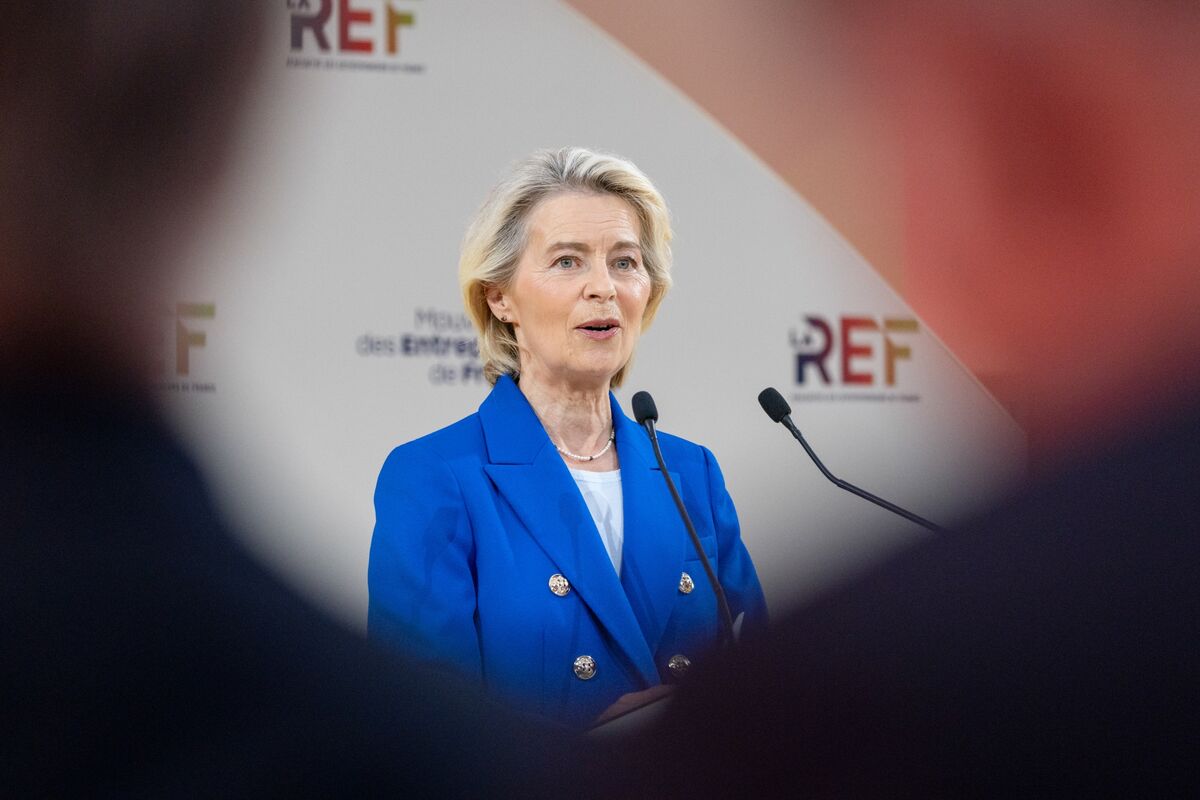
Canada and Europe are deepening their diplomatic and economic relationship, potentially strengthening transatlantic trade ties. However, new U.S. aluminum tariffs could eliminate Canadian aluminum sales to the U.S., creating a material downside risk for affected exporters and increasing the importance of alternative trade partnerships.
Analysis
The investable transmission mechanism is regional aluminum premia rather than headline metal prices. Any durable diversion of Canadian primary aluminum away from the U.S. would tighten Midwest physical availability, supporting the Midwest premium and raising input costs for U.S. can sheet, auto and aerospace buyers; AA and CENX have partial pricing upside, while downstream fabricators with fixed-price contracts face the greater near-term margin risk. The offset is that European demand remains cyclical and energy-sensitive, so a re-routed Canadian ton is not necessarily incremental volume or profit unless European realized prices exceed U.S. netbacks after freight and tariff costs.
Over the next 1-3 months, the key catalyst is contract repricing and evidence of changed shipment flows, not diplomatic language. A meaningful earnings impact requires sustained changes in regional premia, utilization rates, and customer sourcing; spot-market disruption alone can reverse quickly through inventories, exemptions, or metal substitution. The contrarian view is that protectionism may compress rather than expand producer margins if it creates surplus metal in Canada or prompts retaliation against U.S. fabricated exports, making broad long aluminum exposure premature.
Structurally over 6-18 months, repeated tariff friction favors vertically integrated or geographically flexible producers and penalizes processors dependent on cross-border slab, billet, or primary-metal flows. Watch beverage-can producers, automotive sheet suppliers, and aerospace supply chains for delayed pass-through: their exposure is likely more visible in 2027 contracting commentary than in immediate reported results.
AllMind Terminal
AI-powered research, real-time alerts, and portfolio analytics for institutional investors.
Request TrialMarket Sentiment
Overall Sentiment
mixed
Sentiment Score
-0.10
Key Decisions for Investors
- No outright directional aluminum trade until regional-premium and shipment-flow data confirm disruption; set an alert for a sustained 10%+ widening in Midwest premium versus European duty-paid premium over 4-6 weeks.
- If that spread widens and AA/CENX confirm improved realized pricing without volume loss, initiate a 1-3 month tactical long AA or CENX versus short XLB; target 10-15% relative upside, with exit on premium normalization or weaker shipment guidance.
- Screen short candidates among U.S. downstream aluminum converters with high spot-metal exposure and limited surcharge recovery after the next earnings cycle; do not position before verifying contract duration, hedging, and Canadian sourcing concentration.
- Use PALL/DBB only as a hedge against broader industrial-metal disruption, not as a direct tariff expression; aluminum-specific effects can be offset by weaker global manufacturing demand.
More News
- Oil extends losses as Saudi Arabia reportedly offers ship-to-ship crude transfers after pipeline hit
- 'Hostile act': Trump threatens EU with tariffs over Canada associate-membership proposal
- US military claims Strait of Hormuz remains open amid ongoing blockade
- Oil prices extend losses as fears of Middle East supply disruptions ease
- Congress passes sweeping US sanctions bill targeting Russia
- 'Science fiction': Transport companies — the backbone of economy — are sounding alarm on fuel prices
From AllMind Research
- Anthropic IPO Preview: Valuation, Timing, and What to Watch
- Shein After the IPO: Venue, Valuation, and What Must Be Proved
- What AI Research Tools Should a Small Hedge Fund Buy First?
- AI Tools for Private Equity Due Diligence: A Buyer Workflow
- Weekly Update: In-App Tutorials, Futures Data, and Watchlist Enhancements