
NABEP nimmt wichtigen Orinoco-Bandofen im Rahmen der fortgesetzten Produktionsoffensive wieder in Betrieb
Source: PR Newswire
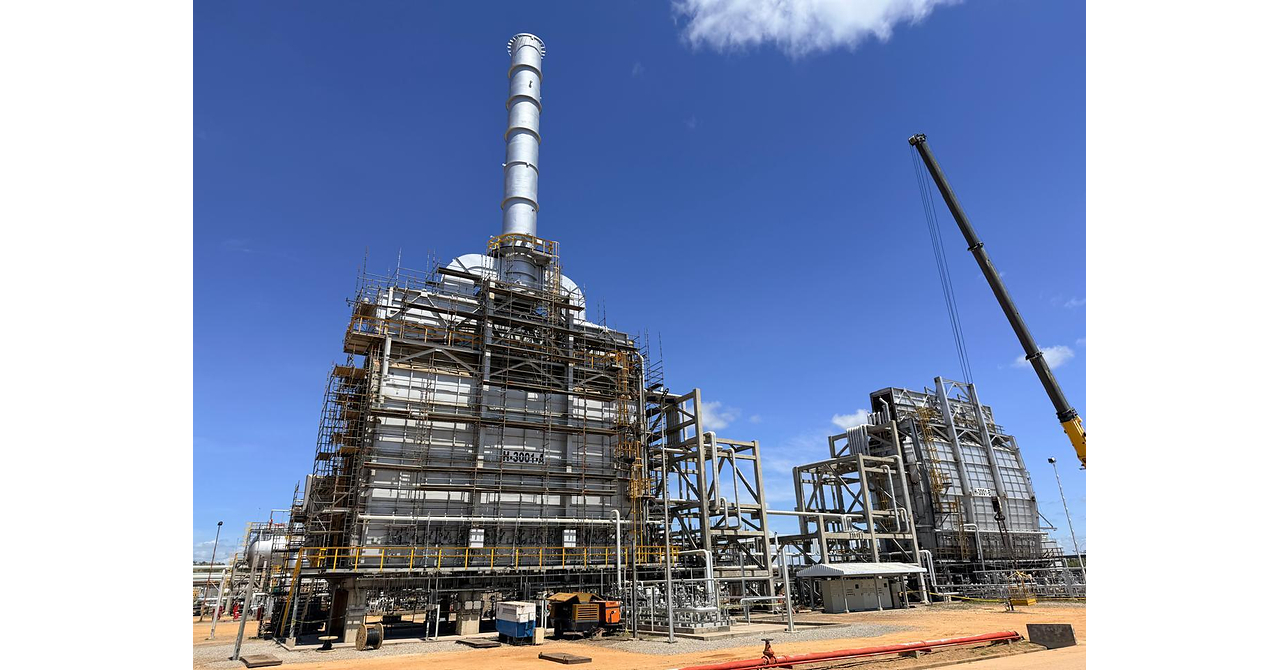
NABEP restarted a furnace at its Zuata 2 facility on October 31 and expects it to add 8,000–10,000 barrels of oil per day within the coming weeks. The company reported total production of 223,509 barrels of oil equivalent per day on October 19, up from about 200,000 in August, and is targeting 500,000 barrels per day by the end of 2028. The furnace restart is a notable production update for NABEP, though the expected addition is modest relative to its reported current output.
Analysis
The investable signal is less the furnace restart than whether NABEP can repeatedly convert restored equipment into saleable, paid-for barrels. Extra-heavy crude needs dependable separation, diluent or upgrading capacity, pipelines, export slots, and compliant buyers; any bottleneck there would turn a production claim into inventory rather than cash flow. A single restart is not evidence that the wider production ramp is repeatable.
If incremental Venezuelan barrels reach the U.S. Gulf Coast, the first-order market effect is likely on heavy-sour crude differentials, not global benchmark prices. Gulf Coast refiners able to process heavy feed could gain optionality; competing Canadian heavy and other heavy-sour suppliers could face modest pricing pressure. This depends on realized volumes, crude quality, freight, and sanctions permissions—not nameplate processing capacity.
The company’s production, reserve-control, investment, and growth figures are issuer claims in a promotional release; verify them against independent production data, cargo records, audited financials, and the precise scope of U.S. authorizations. The stated 2028 target is a long-dated ambition, not a near-term earnings input. Near term, watch loadings and export receipts; over 1–3 months, sustained output and realized discounts; over 6–18 months, equipment reliability, reinvestment needs, and policy durability. Reversals could come from sanctions changes, payment or shipping constraints, equipment failures, or inability to secure diluent. No NABEP ticker is supplied, so there is no direct equity trade; a broad crude-price position is not justified by this isolated restart.
AllMind Terminal
AI-powered research, real-time alerts, and portfolio analytics for institutional investors.
Request TrialMarket Sentiment
Overall Sentiment
moderately positive
Sentiment Score
0.55
Key Decisions for Investors
- No direct position in NABEP without verified public-market access, audited financials, and clarity on the legal entity and U.S. authorization. Treat the release as a watch item, not confirmed earnings growth.
- Monitor Venezuelan cargo loadings, export receipts, production data, and heavy-crude differentials over the next 1–3 months. Consider Gulf Coast refinery exposure only if incremental supply is sustained and legally deliverable; do not infer benefit from announced capacity alone.
- For a relative-value alert, track Canadian heavy and other heavy-sour differentials against Venezuelan grades. A persistent widening would support the displacement thesis; absent observable flow growth, avoid positioning on the furnace announcement.
- Falsify the ramp thesis if reported output fails to persist, export volumes do not follow, realized discounts widen enough to impair netbacks, or U.S. permissions/shipping access tighten.
More News
- Binance co-CEO Richard Teng says hackers used fake job interviews, AI tool to steal $6.3 billion in crypto 108511116
- AMD stock jumps 7% on earnings as data center revenue nearly doubles
- The Strait of Hormuz closure has cost Europe an extra $142 billion for the same energy it was already buying
- Marvell Technology could plunge on latest multibillion-dollar acquisition
- US hits Qeshm Island, Pezeshkian signals more diplomacy: Iran war latest
- Disney Plans Thousands of Layoffs Companywide