
BOE Governor Andrew Bailey Knows He Can’t Bank on Peace
Source: Bloomberg
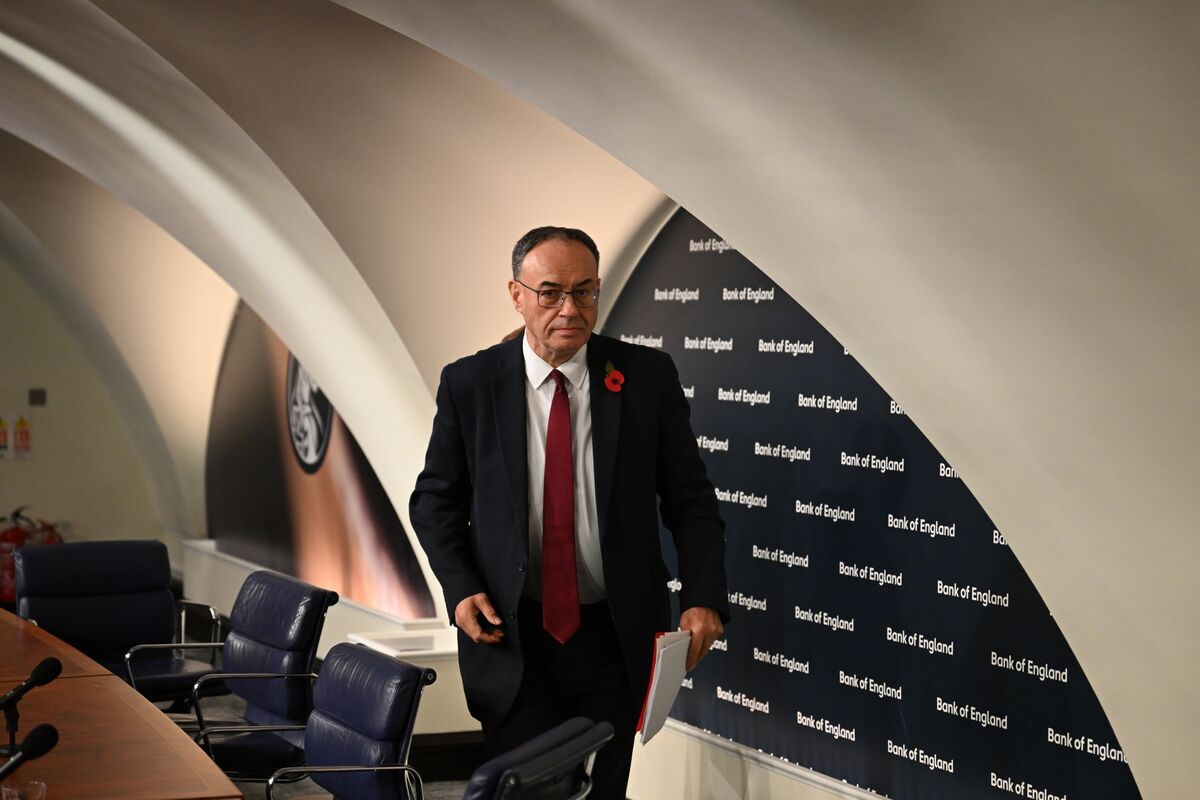
The Bank of England is preparing for an extended period of inflationary pressure, discussed around its latest interest-rate decision. Governor Andrew Bailey expressed hope that the US-Iran conflict could be resolved, while avoiding a direct political appeal to President Donald Trump; the excerpt gives no rate decision details or figures.
Analysis
The key market transmission is not Bailey’s political preference but whether a geopolitical energy shock becomes persistent UK domestic inflation. A renewed energy premium can lift headline inflation quickly; the harder policy problem is second-round wage and services-price persistence, which could keep Bank of England policy restrictive even as real incomes and activity weaken. That mix is adverse for UK rate-sensitive domestic businesses and creates risk of both higher front-end rate expectations and weaker growth. The two forces make an outright GBP or long-gilt view less clean than the headline suggests.
The implied political catalyst is fragile: US election outcomes do not establish a path to de-escalation, and even a ceasefire may not quickly remove supply, shipping, or insurance premia. In the next few weeks, energy pricing and BoE communications matter more than political rhetoric. Over 1–3 months, UK services inflation, wage data, and inflation expectations will show whether the shock is feeding through; over 6–18 months, sustained investment and supply-chain reconfiguration could keep energy costs structurally less predictable.
The article provides no policy-vote details, updated forecasts, or market-pricing context, so avoid assuming a hawkish surprise is unpriced. The contrarian risk is that markets treat hopes of peace as a near-term disinflation signal before energy prices and domestic inflation data confirm it.
AllMind Terminal
AI-powered research, real-time alerts, and portfolio analytics for institutional investors.
Request TrialMarket Sentiment
Overall Sentiment
mixed
Sentiment Score
-0.10
Key Decisions for Investors
- No immediate directional trade on the political remarks alone. Track Brent and European gas prices alongside UK front-end rates; a falling energy premium without improvement in wages or services CPI is not yet confirmation of durable disinflation.
- Conditional hedge: if energy prices re-accelerate and UK wage/services inflation remains sticky, consider paying SONIA front-end rates or reducing short-dated gilt exposure. The thesis is falsified by a sustained energy-price retreat accompanied by easing wage growth and services inflation.
- Keep UK domestic rate-sensitive equities on a relative-risk watchlist rather than shorting them outright: persistent inflation can delay rate relief, while weaker real incomes can also undermine earnings. Reassess after the next UK wage and CPI releases.
- Verify the actual BoE vote split, forecast revisions, and market-implied policy path before sizing any rates position; absent those details, the signal is too incomplete for a high-conviction trade.
More News
- Tech stocks are suffering their biggest selloff since Covid, as investors see premature end to AI datacenter boom
- Wall Street’s best post-midterm rally in 44 years lasted just one day—then $3 trillion vanished as chip stocks plunged over AI fears
- How Wall Street's postelection rally got obliterated — and what's next
- AI stocks plunge after election, driving down US markets
- Elon Musk's Tesla and SpaceX lose over $420 billion in combined market cap after midterms
- Iran says tankers struck in Hormuz amid fears of new US attack