
WAN AICHEF ULTRA Earns 2026 IDEA Recognition, Rethinking AI Cooking for Everyday Life
Source: PR Newswire
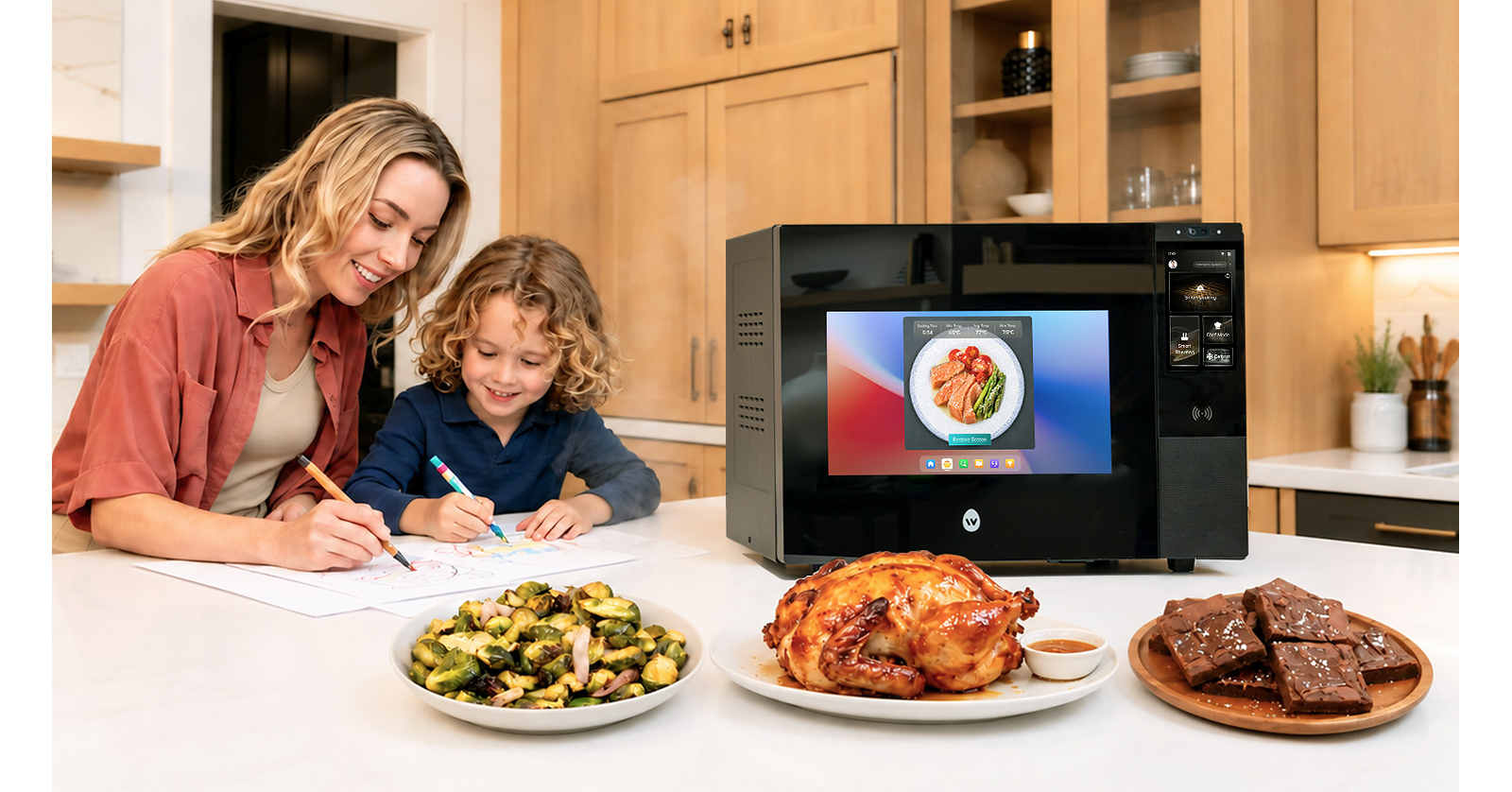
WAN AICHEF ULTRA was selected as a Professional Category Finalist in the 2026 International Design Excellence Awards, adding third-party validation for its AI-enabled cooking appliance. The system uses a 12-megapixel camera, infrared thermal imaging and NVIDIA Jetson Orin Nano processing to identify supported foods and automatically adjust cooking conditions, with stated temperature-control precision of approximately ±3.2°F in specified tests. The company is expanding support for retailer and meal-kit products, but the announcement provides no sales, pricing, revenue, or commercial adoption figures.
Analysis
This is not a material earnings driver for COST or NVDA. For NVDA, a single low-volume appliance design using Jetson Orin Nano has negligible revenue significance; the relevant signal is that edge-AI BOMs are increasingly entering consumer durables, but unit economics will remain constrained by appliance ASP, warranty costs, and the need for reliable model performance across heterogeneous food and cookware conditions.
The more investable second-order question is whether AI-guided appliances can shift value from branded meal kits toward retailer-owned prepared-food and private-label ecosystems. COST is better positioned than HFG if appliance makers create SKU-level cooking integrations: Costco can leverage high household traffic, recurring ready-to-cook purchases, and Kirkland-controlled product specifications. That opportunity is speculative and requires a distribution or co-marketing agreement; generic references to retailer products do not establish commercial participation.
Near term, design recognition is not a demand catalyst and crowdfunding availability raises execution, service-network, and certification risk rather than validating scalable retail sell-through. Over 6-18 months, successful category adoption would more likely benefit incumbent appliance platforms with retail distribution and repair infrastructure than a standalone hardware entrant. The thesis is falsified if no major retailer listing, certified-food partnership, or independently disclosed repeat-purchase data emerges; absent those markers, this remains product marketing rather than a consumer-AI monetization signal.
Contrarian view: the market may overgeneralize edge-AI adoption into a semiconductor read-through. In kitchen appliances, sensors, thermal control, safety compliance, and customer support are likely to consume more incremental gross margin than compute content creates. The durable opportunity is software-enabled consumable attachment, not one-time hardware sales, and there is no evidence yet that this product has achieved that model.
AllMind Terminal
AI-powered research, real-time alerts, and portfolio analytics for institutional investors.
Request TrialMarket Sentiment
Overall Sentiment
mildly positive
Sentiment Score
0.35
Ticker Sentiment
Key Decisions for Investors
- No standalone trade on this announcement; do not treat it as an NVDA demand datapoint. Reassess only if the manufacturer discloses production volumes, retail rollout, or a committed semiconductor-content forecast within the next 1-3 months.
- Maintain any COST thesis on core membership and traffic fundamentals, not appliance-AI adjacency. Set an alert for a formal Costco merchandising, Kirkland SKU, or in-store demonstration partnership; such evidence would modestly strengthen the prepared-food/private-label engagement narrative over 6-18 months.
- Avoid using HFG as a direct short on this development. Meal-kit substitution requires scaled appliance penetration and proven retailer integration; monitor HFG retention, customer acquisition cost, and prepared-meal mix for two reporting periods before attributing any pressure to AI cooking hardware.
- For edge-AI exposure, prefer diversified NVDA positioning over extrapolating from consumer-appliance wins. A material thesis would require evidence that low-cost embedded vision expands into multiple high-volume durable categories without meaningful gross-margin dilution.
More News
- How record diesel prices will rip through the U.S. economy. Trucks and rails are only the start
- Crusoe raises $3.9B to build massive data centers and small modular “AI factories”
- Jensen Huang says Nvidia will sell twice as many chips next year
- What an Oscar-winning movie can teach us about investing through the AI slowdown debate
- Goldman’s top strategist just added hard numbers to his earnings-bubble warning
- Marvell pushes GlobalFoundries to light up wafer production