
Xinhua Silk Road : Les solutions chinoises en matière d'alerte météorologique précoce aident de nouveaux pays à relever les défis climatiques
Source: PR Newswire
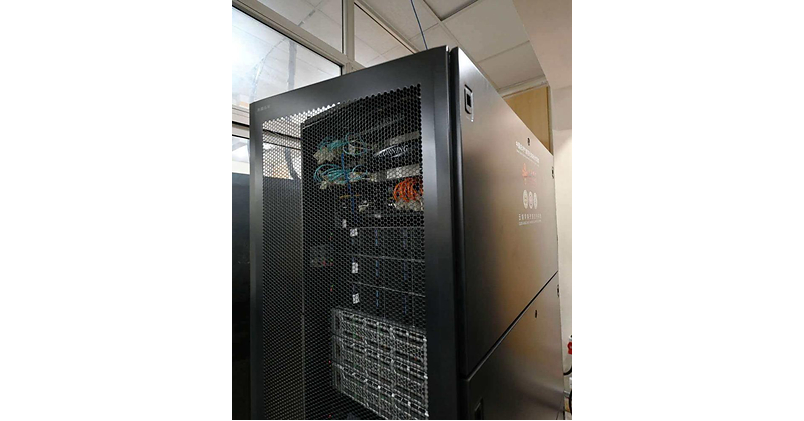
China's AI-based MAZU early-weather-warning system has been deployed or trialed in more than 40 countries, including Pakistan, Ethiopia, Sri Lanka and Djibouti, to improve climate-disaster preparedness. The platform combines AI forecasting models, Fengyun satellite data, multisource monitoring and cloud computing, and has been recommended by the World Meteorological Organization. China has also trained nearly 1,000 early-warning specialists from over 100 developing countries, expanding its technology and climate-resilience cooperation.
Analysis
This is strategically relevant but not yet investable as a standalone public-equity catalyst: the deployments appear state-led, aid-linked and commercially opaque. The more durable implication is that Chinese weather-data standards, cloud workflows and satellite-derived datasets can become embedded in recipient-country public infrastructure, creating switching costs and future procurement leverage for the broader Chinese Earth-observation stack. That is a geopolitical distribution channel rather than evidence of near-term revenue or margin impact.
The likely second-order pressure falls on Western weather-data, geospatial analytics and disaster-modeling vendors competing for multilateral and emerging-market tenders. However, Chinese provision of subsidized hardware, compute and training may expand the total addressable market before it displaces incumbents; private insurers, reinsurers and global logistics firms still generally require independently validated, internationally auditable data for underwriting and risk pricing. The investment signal would strengthen only if the platform begins winning paid contracts, satellite ground-station agreements, telecom alerting mandates, or World Bank/UN procurement allocations.
Over the next 6-18 months, rising catastrophe losses should increase demand for early-warning systems, but monetization is likely to accrue first to listed suppliers of sensors, communications and commercial geospatial data rather than to the Chinese state platform itself. The contrarian point is that the market may overread diplomatic adoption as commercial AI leadership: forecast accuracy, uptime during extreme events, local maintenance costs and data-governance constraints—not country count—will determine whether adoption converts into recurring revenue.
AllMind Terminal
AI-powered research, real-time alerts, and portfolio analytics for institutional investors.
Request TrialMarket Sentiment
Overall Sentiment
mildly positive
Sentiment Score
0.38
Key Decisions for Investors
- No directional trade on the announcement; treat it as a watch item because no listed commercial beneficiary, contract values, pricing model or procurement funding has been disclosed.
- Monitor BlackSky (BKSY), Planet Labs (PL) and Spire Global (SPIR) for 1-3 month tender or partnership disclosures tied to disaster monitoring, humanitarian response or sovereign climate-resilience budgets; initiate only after evidence of funded recurring contracts, not pilot deployments.
- For a 6-18 month climate-resilience allocation, prefer a basket of commercial geospatial-data providers over a single-name bet, with sizing contingent on backlog growth and gross-margin stability; the key falsifier is continued revenue growth without improvement in recurring-data mix or operating leverage.
- Watch for restrictions on Chinese satellite data, cloud infrastructure or AI exports in recipient markets. Such actions would favor Western commercial-data vendors, while broader acceptance of Chinese standards would reduce their emerging-market tender opportunity.
More News
- Wall Street’s Nasdaq hits all-time high as AI frenzy gathers pace
- Oil falls on increased Gulf supply and hopes for US-Iran talks
- Data-Center Bet Makes ESDS One of India’s Best New Listings
- Dollar holds near 2-month high as markets weigh rate hikes, Iran diplomacy
- Asia stocks ride tech wave higher, oil stays subdued
- South Korean solar stocks jump as curbs on Chinese sector expected to remain in place