
World’s Biggest Platinum Mine Nears Decision on Underground Move
Source: Bloomberg
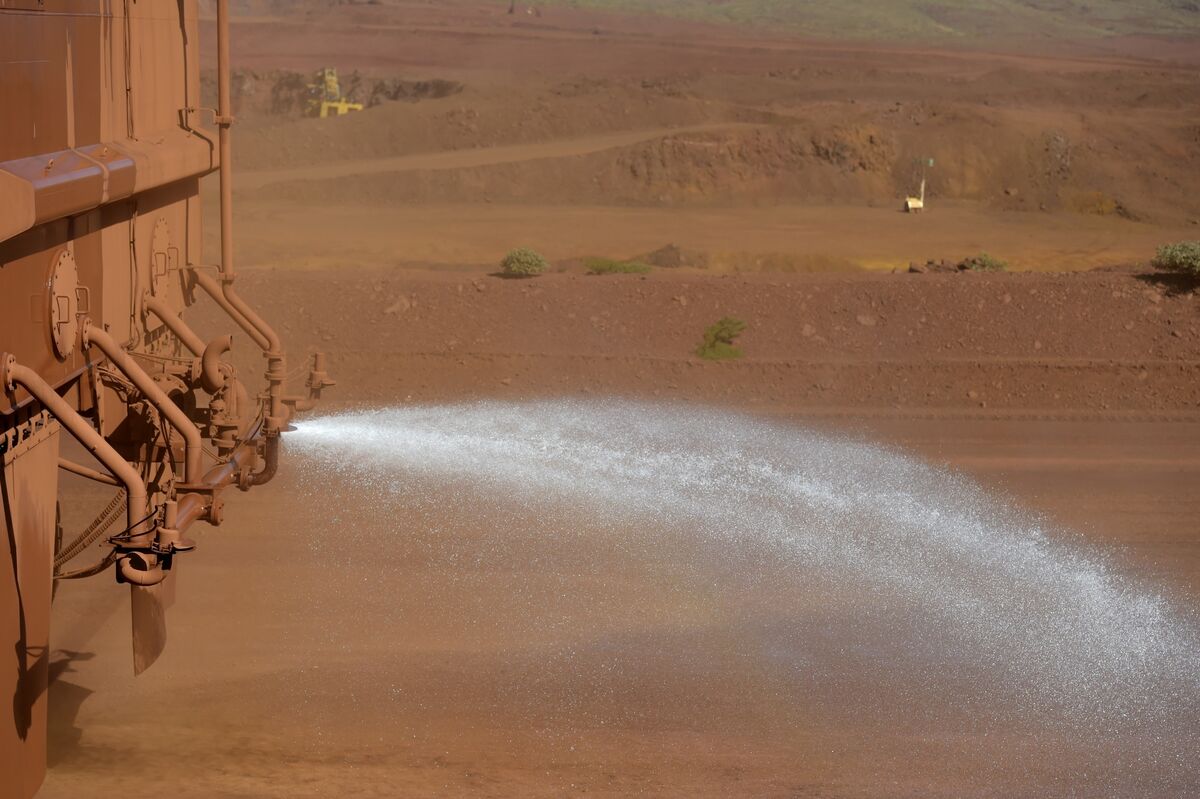
Valterra Platinum is nearing a decision on moving Mogalakwena, the world’s largest platinum mine, underground. The company is exploring deeper mining as open-pit ore grades decline and extraction becomes more expensive; the mine has more than 80 years of reserves remaining.
Analysis
The key market question is not whether Mogalakwena has a long reserve life, but whether the underground option can sustain economic output without a material increase in unit costs or a prolonged transition. A decision to proceed would initially add execution and capital-intensity risk to Valterra; any supply benefit or constraint for the wider platinum market is likely to emerge over years, not on the announcement. The near-term signal is the project’s disclosed capex, development schedule, expected production during the transition, and return hurdles—not the headline reserve life.
For platinum, a slower or more expensive transition could tighten future supply expectations and support prices, but that is conditional: other producers’ output, recycling, and demand from autocatalysts and industrial uses can offset it. Higher platinum prices could also encourage substitution where technically and commercially feasible, though redesign cycles make that a lagged response. South African underground development additionally exposes the project to execution risks such as labor, power, and infrastructure constraints; these are risks to test against disclosed plans, not assumed outcomes.
Contrarian angle: the market may overread “decision” as an immediate supply shock. Until Valterra quantifies investment, ramp timing, and the open-pit/underground production bridge, the news is more useful as a catalyst watch than a directional commodity trade.
AllMind Terminal
AI-powered research, real-time alerts, and portfolio analytics for institutional investors.
Request TrialMarket Sentiment
Overall Sentiment
neutral
Sentiment Score
-0.10
Key Decisions for Investors
- No immediate directional trade on the announcement alone. Watch for Valterra’s formal project decision and verify capex, development timeline, expected output during the transition, and project returns before repricing the asset.
- If the plan implies a prolonged production gap or materially higher costs, consider a measured long-platinum exposure against a basket of diversified miners, rather than a single-name Valterra position; the thesis is future supply risk, not an immediate shortage.
- If disclosed economics are robust and the production bridge is credible, avoid chasing platinum on the decision headline: a long-lived reserve base does not itself establish near-term supply tightness, and higher prices may invite recycling or eventual substitution.
- Falsification/watch items: a schedule or capex overrun, weaker-than-planned mine output, or evidence that South African operating constraints impede development would strengthen the supply-risk case; a funded, phased transition with stable output, or offsetting supply growth elsewhere, would weaken it.
More News
- Anthropic's third-quarter revenue is said to hit $16.8 billion ahead of IPO
- SK Hynix seeks U.S. chip equipment exports to China tied to new factory
- Container ship sinks in Strait of Hormuz as Iran steps up attacks
- Oil Gains as Middle East, Russia Hostilities Imperil Flows
- Dell stock plunges 11%, leading data center sell-off on concerns about 'enterprise AI timing'
- Iran steps up Hormuz surveillance: Attacks soar, oil flows crash again
From AllMind Research
- Anthropic IPO Preview: Valuation, Timing, and What to Watch
- Shein After the IPO: Venue, Valuation, and What Must Be Proved
- What AI Research Tools Should a Small Hedge Fund Buy First?
- Weekly Update: New Reporting Features and More Sources for Document Search
- How to Evaluate AI Report Writers for Financial Analysis