
Canada PM Carney Takes New Hard Line Against Trump With 50% Counter-Tariffs
Source: Bloomberg
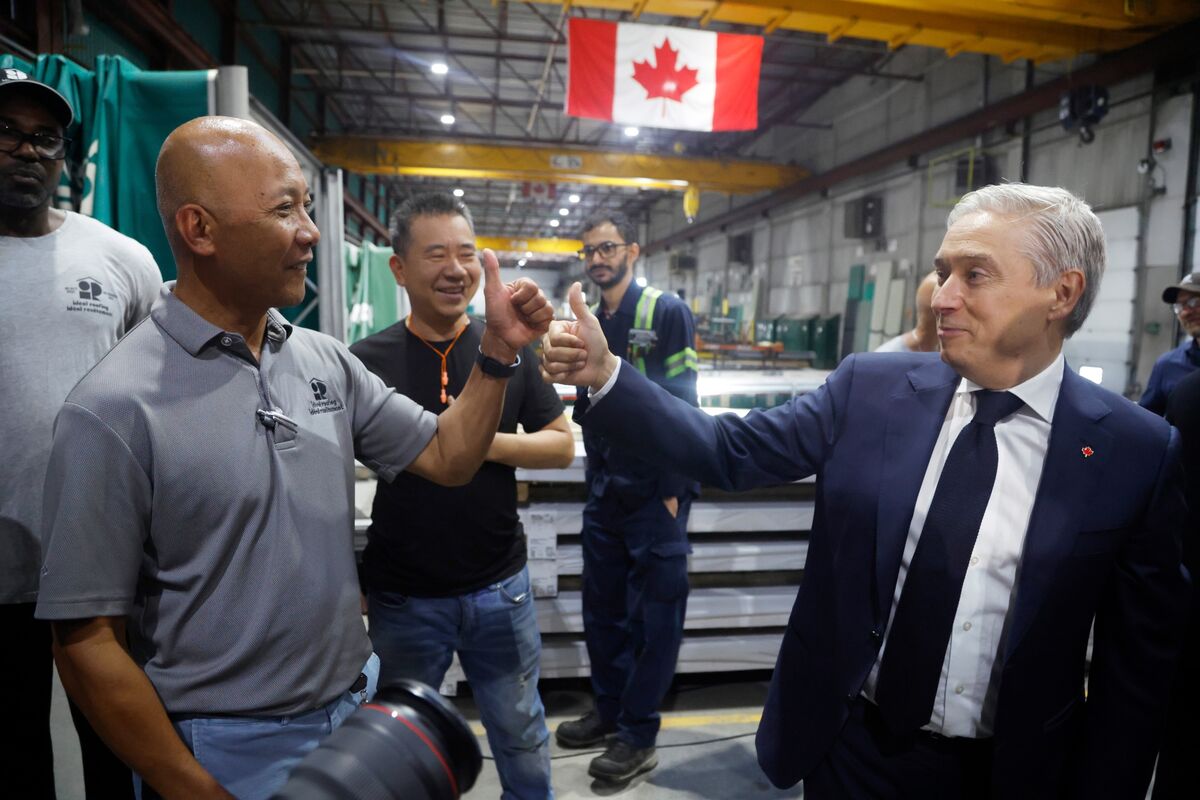
Canada’s introduction of counter-tariffs signals a tougher stance toward the US, with Canadian firms facing higher costs to import a range of American goods (including fish, furniture, fresh cheese, and freezers). While the article notes that BMO and Scotiabank beat earnings estimates, the tariff-driven input-price headwinds add caution for affected industries and supply chains.
Analysis
The tradeable effect is not the rhetoric; it is the forced repricing of imported inputs across Canadian small- and mid-cap businesses. The immediate winners are firms with domestic sourcing or enough pricing power to push through cost increases, while the losers are furniture, appliances, food distribution, and other margin-thin retailers that will see gross margin compression before demand destruction shows up. That sequence matters: working-capital pain and order pullbacks usually surface 1-2 quarters after the policy shock, not in the first print.
For banks, a quarterly earnings beat is only mildly informative unless it changes the credit path. Tariff-driven inflation is a double-edged sword: it lifts nominal revenue for some borrowers but usually erodes disposable income and raises small-business delinquencies with a lag; BMO’s U.S. mix should make it relatively more resilient than more Canada-centric lenders, but the real catalyst is 2H guidance on provisions, not this quarter’s EPS.
Contrarian view: the market may be overestimating how long the shock lasts if importers can reroute supply to non-U.S. vendors quickly. The falsifier for a bearish Canada macro view is a fast exemption list or a stabilization in import-price and retail-inventory data over the next 30-60 days; absent that, this is a months-long drag, not a one-day political headline.
AllMind Terminal
AI-powered research, real-time alerts, and portfolio analytics for institutional investors.
Request TrialMarket Sentiment
Overall Sentiment
mildly negative
Sentiment Score
-0.15
Ticker Sentiment
Key Decisions for Investors
- Long BMO / short CM for 1-3 months as a relative-quality bank pair; thesis is that BMO’s diversification and balance-sheet strength should outperform a more domestically exposed lender if credit-loss guidance deteriorates. Target 3-5% relative outperformance; cover if Canadian tariff carve-outs broaden or BMO’s next update shows rising U.S. credit stress.
- Short FXC vs long UUP as a macro hedge for a 1-2 month horizon; tariffs that weigh on Canadian growth and risk sentiment should pressure CAD more than they lift inflation expectations. Risk/reward is roughly 2:1 if policy escalation persists; invalidate if commodity prices surge or Ottawa signals rapid de-escalation.
- Set an alert on Canadian retail/import-exposed names rather than forcing a position today; if next earnings calls show margin compression without volume recovery, that is the point to short the weakest operators. The first confirmatory signal is guidance cuts on gross margin or inventory turn, not the initial tariff announcement.
More News
- JPMorgan downgrades DuPont stock rating on recovery outlook
- Why is Vistra stock sliding today?
- Delta Air Lines cuts 2026 forecast on fuel surge, but CEO says demand is still strong
- Why is T-Mobile stock tumbling today?
- This exchange stock is a buy on renewed options deal, Morgan Stanley says
- The AI race may be decided by financing—not just better chips