
MTCM bringt Talea DRN auf den Markt: Eine Private-Market-Note, zwei Rails - für Arrangeure und Investoren, mit der Bank Frick als Partner für digitale Vermögenswerte und Zahlstelle
Source: PR Newswire
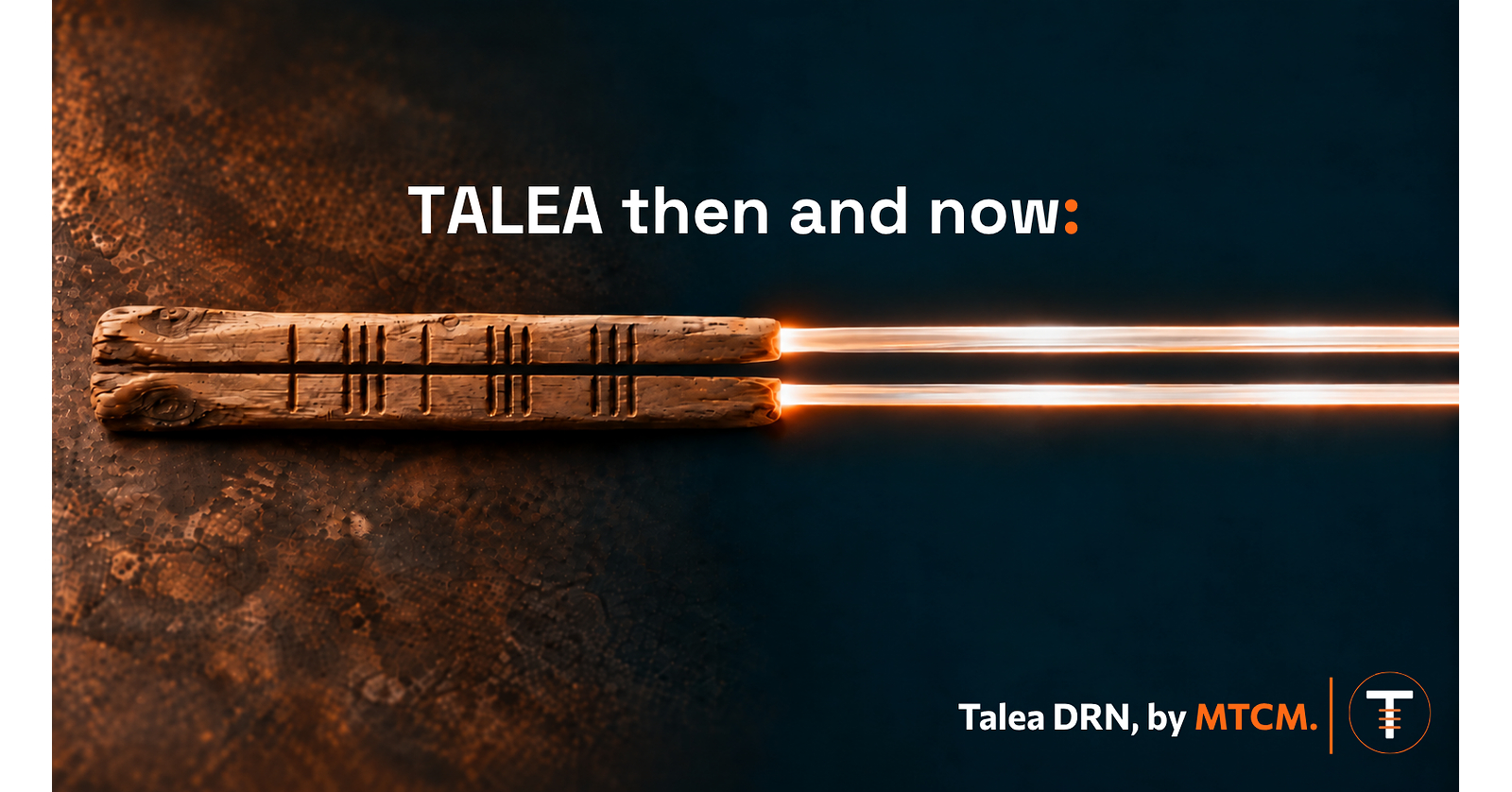
MTCM hat Talea DRN eingeführt, eine luxemburgische Verbriefungsanleihe, die aus demselben unabhängig geprüften Compartment sowohl als traditionelles ISIN-Wertpapier als auch als digitaler Token ausgegeben wird. Laut MTCM repräsentieren beide Formen dieselbe Schuldverschreibung mit identischen Sicherheiten und Rechten; Anleger können zwischen den Formen wechseln und in Fiatgeld, Kryptowährung oder Stablecoins zeichnen. Bank Frick ist Partner für digitale Vermögenswerte und Zahlstelle. MTCM gibt an, Kapital von über 2,5 Milliarden Euro zu betreuen.
Analysis
The investable question is whether dual-rail issuance lowers distribution friction enough to increase repeat issuance—not whether tokenization itself creates value. If investors can move between forms without changing legal claims, arrangers may reach buyers who otherwise cannot or will not use a single settlement channel. But broader access is not equivalent to deeper liquidity: secondary-market depth, eligible-holder rules, transfer controls, and reliable conversion between rails remain unproven. The note’s collateral and structure should therefore drive credit pricing; the digital wrapper should not command a premium absent evidence of lower costs or better execution.
Near term, the launch is a validation point for MTCM and Bank Frick’s capabilities, but the release provides no issuance volume, fee economics, repeat-issuer pipeline, or independently verified investor demand. Over 1–3 months, watch for completed transactions and evidence that digital buyers add incremental subscriptions rather than merely switching formats. Over 6–18 months, successful repeat issuance could support service-provider revenues and pressure single-rail platforms to add interoperability; incumbent settlement and custody networks may remain complementary rather than displaced.
Key risks are legal or operational friction around transfers between forms, fragmented liquidity, custody or stablecoin settlement issues, and regulatory limits across jurisdictions. Compartment-level segregation and audit do not eliminate underlying asset or counterparty risk. The thesis weakens if conversions are constrained, digital allocations remain immaterial, or issuers do not return. No mapped public ticker or direct public-market exposure is supplied, so this is a market-structure watch item, not a clean directional trade.
AllMind Terminal
AI-powered research, real-time alerts, and portfolio analytics for institutional investors.
Request TrialMarket Sentiment
Overall Sentiment
mildly positive
Sentiment Score
0.20
Key Decisions for Investors
- No immediate public-equity or credit position: the announcement alone does not establish monetizable scale or incremental investor demand.
- Track the first transactions for issuance size, digital-versus-traditional allocation, fees, conversion terms, secondary turnover, and repeat issuance; treat claimed fungibility as operationally unverified until tested.
- For any note-level exposure, underwrite the collateral, servicing, compartment documentation, and counterparty structure independently; do not infer lower credit risk from tokenization or compartment segregation.
- Revisit the theme if several unrelated arrangers adopt the structure and digital subscriptions demonstrably add to total demand. Falsify the adoption thesis if transfers remain restricted, digital participation is negligible, or no repeat issuance emerges over the next 6–18 months.
More News
- Singapore's Temasek warns of the ‘biggest risk’ facing markets right now
- CNN, CBS News now under one roof as Paramount-Warner Bros merger closes
- Controversial $110 billion mega-merger of Paramount and Warner Bros. finally closes
- UBS CEO warns ‘hard measures’ are needed to tackle French debt crisis, as turmoil worsens
- Student riots engulf France as far-right presidential frontrunner Le Pen vows fiscal turnaround
- Meta may ditch the idea of a cloud business for Muse. We think that’s a good trade