
Dr Hanan H. Balkhy Launches Candidacy for WHO Director-General, Pledges "A WHO the World Can Count On"
Source: PR Newswire
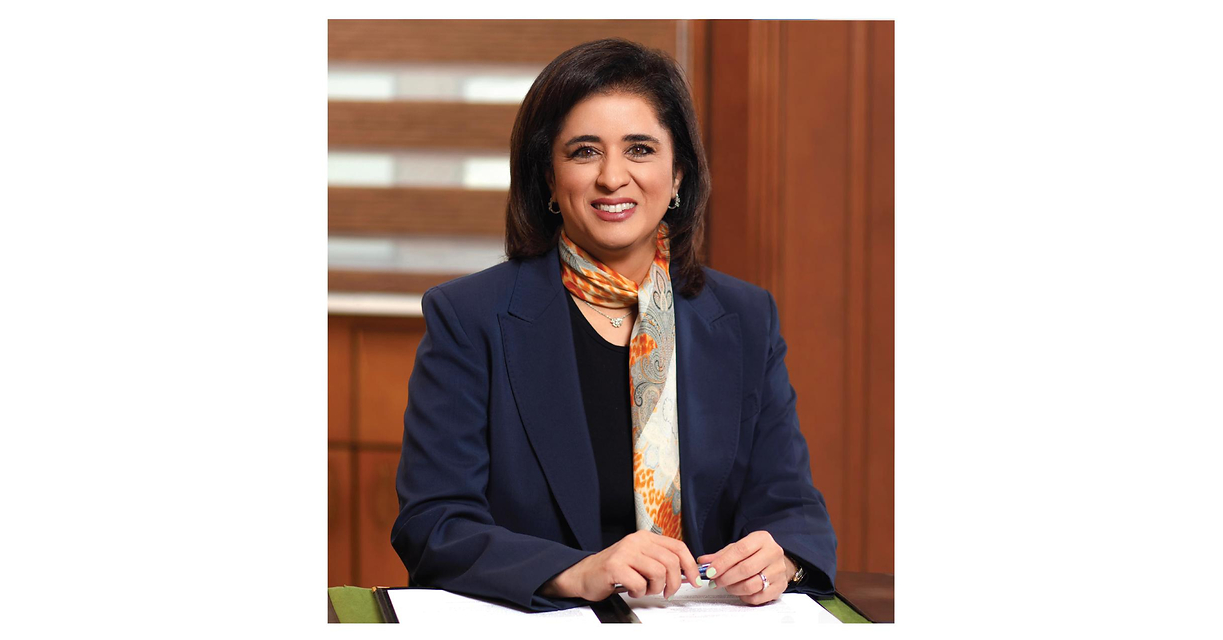
Saudi Arabia has nominated WHO Eastern Mediterranean Regional Director Dr. Hanan H. Balkhy as a candidate for WHO Director-General. Balkhy, who oversees WHO operations across 22 member states serving more than 750 million people, is campaigning on improving institutional trust, emergency preparedness and measurable delivery of universal health coverage. Her record includes mobilizing more than $1.6 billion in additional program resources for polio and health emergencies; the candidacy is relevant to global-health governance but is unlikely to have material near-term market impact.
Analysis
This is primarily a governance and geopolitical signal rather than an investable healthcare catalyst. A Saudi-backed WHO leadership bid marginally increases the probability of greater Gulf influence over multilateral health procurement, emergency-response funding and regional capacity build-out, but the financial transmission to listed equities is too indirect before the election outcome and subsequent budget priorities are known.
The potentially investable second-order theme is antimicrobial resistance and pandemic-preparedness procurement, where a leadership agenda that converts rhetoric into country-level implementation could eventually expand demand for diagnostics, surveillance software, vaccines and anti-infectives. Potential beneficiaries include Danaher (DHR), Thermo Fisher (TMO), Abbott (ABT), Siemens Healthineers (SHL.DE) and bioMérieux (BIM.PA); however, WHO endorsement does not itself create commercial revenue, as national tenders, donor appropriations and local reimbursement determine conversion.
Over the next 1-3 months, expect limited public-equity impact absent disclosed Saudi commitments to WHO financing or regional health infrastructure contracts. Over 6-18 months, the relevant catalyst would be a measurable increase in WHO assessed/voluntary funding tied to surveillance, laboratory networks, AMR implementation or Pandemic Agreement execution. The thesis is falsified if member-state financing remains constrained, the Pandemic Agreement implementation framework stalls, or procurement remains directed toward lower-cost local suppliers rather than multinational diagnostic platforms.
Contrarian view: markets may over-read global-health leadership as immediate demand for vaccine developers. The more durable spending need is likely unglamorous diagnostic capacity, data interoperability, cold-chain logistics and hospital infection control—categories with steadier replacement cycles but diffuse, tender-driven revenue recognition.
AllMind Terminal
AI-powered research, real-time alerts, and portfolio analytics for institutional investors.
Request TrialMarket Sentiment
Overall Sentiment
mildly positive
Sentiment Score
0.30
Key Decisions for Investors
- No directional trade on the announcement; treat it as a policy watch item rather than a standalone catalyst given low near-term earnings sensitivity.
- Create a 6-18 month preparedness-procurement basket watchlist: long DHR/TMO/ABT versus an equal-weight healthcare index hedge (XLV) only if WHO or Saudi-backed donors disclose incremental, funded surveillance or laboratory-capacity programs. Target 10-15% relative upside on order-book revisions; exit if funding is pledges-only or tender awards favor local suppliers.
- Monitor Saudi and GCC healthcare-capex announcements for hospital laboratory and infection-control tenders. If confirmed contracts emerge, favor DHR and TMO over vaccine-biotech exposure, where WHO policy visibility is less directly linked to recurring revenue.
- Track WHO financing negotiations and Pandemic Agreement implementation milestones through year-end; a failure to secure durable member-state funding is a negative read-through for global-health procurement suppliers and invalidates any thematic long.
More News
- American embassies tighten security as Iran threat warnings intensify ahead of U.S. midterm elections
- France’s latest debt warning describes a country where governance is breaking down — and even doing too little, too late is barely possible
- Israelis hold final rally against Netanyahu ahead of what may be the most consequential election in the country’s history
- Biotech stocks are surging. How investors can play the new drug innovation boom
- Iran blames US for deal failure, urges new try amid fear of new attacks
- French police use tear gas and water cannons after some protests turn violent as shopkeepers board up storefronts across Paris
From AllMind Research
- Anthropic IPO Preview: Valuation, Timing, and What to Watch
- Shein After the IPO: Venue, Valuation, and What Must Be Proved
- What AI Research Tools Should a Small Hedge Fund Buy First?
- Best AI Stock Research Tools for Professional Investors
- Weekly Update: Adding Live MBO Level 3 Data - Liquidity Heatmap, OFI Charts, and More