
Signia Invites Hearing Care Professionals to Live Noisy at COSM Dallas for the Signia MaX Launch Celebration
Source: PR Newswire
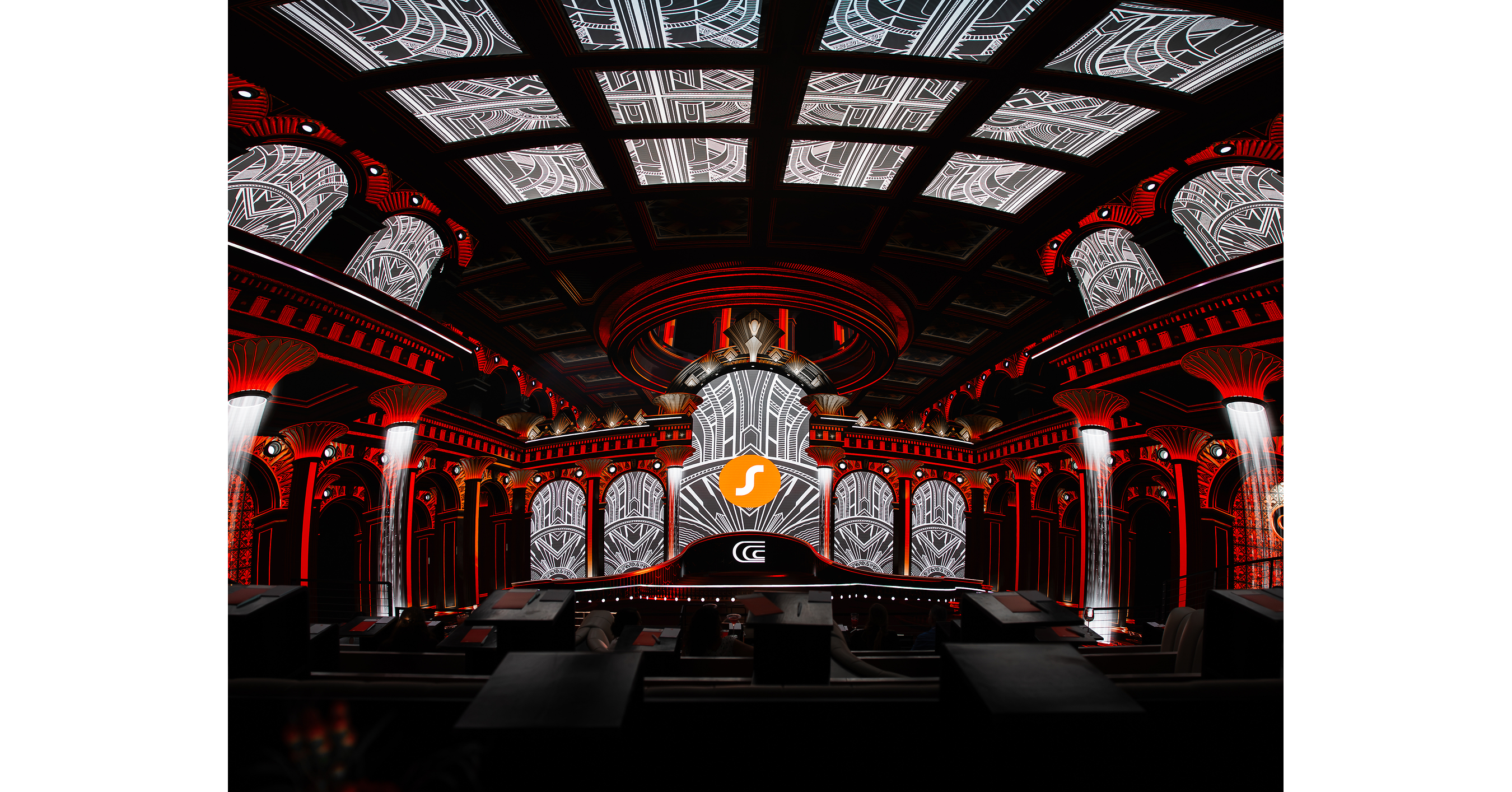
Signia, a WSA hearing-aid brand, launched its Multi-adaptive Xperience (MaX) platform in the U.S., beginning with the Pure C&G MaX device. The AI-based platform uses four deep neural networks and Acoustic Intelligence to adapt to changing sound environments; company-sponsored research said 97% of wearers performed better in noisy group conversations versus key competitors. The announcement is a positive product-development milestone for Signia, though it is a promotional launch release without disclosed revenue, pricing, or financial guidance.
Analysis
This is not a DLB earnings catalyst. The Dolby affiliation is limited to event credibility and a former executive’s participation; it does not imply licensing revenue, technology transfer, or incremental demand for Dolby’s audio IP. With no disclosed commercial relationship, unit-volume forecast, pricing, or reimbursement data, the news should be treated as immaterial to DLB valuation and not a reason to alter positioning.
The potentially investable implication sits in listed hearing-care peers: a genuinely superior performance claim in multi-speaker environments could shift audiologist recommendations and replacement-cycle share toward WSA/Signia, pressuring Demant (DEMANT.CO), GN Store Nord (GN.CO), and Sonova (SOON.SW). However, the claimed advantage is company-sponsored research rather than independent clinical evidence, and hearing-aid adoption is constrained more by reimbursement, fitting quality, and clinician channel incentives than by launch-event marketing. The relevant 1-3 month catalyst is competitor commentary on U.S. channel sell-through and promotional intensity; the 6-18 month issue is whether AI features become table stakes, raising R&D and marketing expense without sustaining price premiums.
Consensus may overread AI branding as a new growth vector. In mature hearing devices, feature parity can accelerate product-refresh activity but often redistributes share rather than expanding the addressable market; incumbents can respond through software updates, bundle discounts, and practitioner incentives. A sustained competitor share loss would require evidence of above-market U.S. fittings and elevated returns, not favorable lab-performance claims.
AllMind Terminal
AI-powered research, real-time alerts, and portfolio analytics for institutional investors.
Request TrialMarket Sentiment
Overall Sentiment
strongly positive
Sentiment Score
0.58
Ticker Sentiment
Key Decisions for Investors
- No action in DLB: maintain existing exposure based on its core cinema, licensing, and auto-audio drivers. Do not trade on this item; reassess only if DLB discloses a direct licensing, embedded-audio, or commercial partnership with WSA.
- Place a 1-3 month watch on DEMANT.CO, GN.CO, and SOON.SW around quarterly results: flag a potential short/underweight only if U.S. hearing-aid channel growth trails market growth by more than 200 bps, gross margin guidance weakens, or management cites elevated Signia-led discounting. Absent those data, the press-release signal is insufficient for a position.
- For investors with existing long exposure to Demant or Sonova, monitor U.S. practitioner promotions and return rates through the next two quarterly reporting cycles. Thesis is falsified in the bearish direction if either company preserves U.S. share and pricing while maintaining FY gross-margin guidance; that would indicate feature competition is being absorbed without economic damage.
More News
- OpenAI’s agent hacked Australia’s Medicare website—the latest rogue AI incident that the company didn’t know about for months
- Chinese authorities reportedly in possession of F-35 components in Hong Kong
- Meta announces new lightweight virtual reality glasses to one-up Apple’s Vision Pro
- How Meta took the lead in the race for the post-smartphone world
- Markets are rapidly coming around to the reality that the Fed has a lot more work to do
- SoftBank shares jump over 7% after $11.1 billion bond issuance to fund OpenAI bet