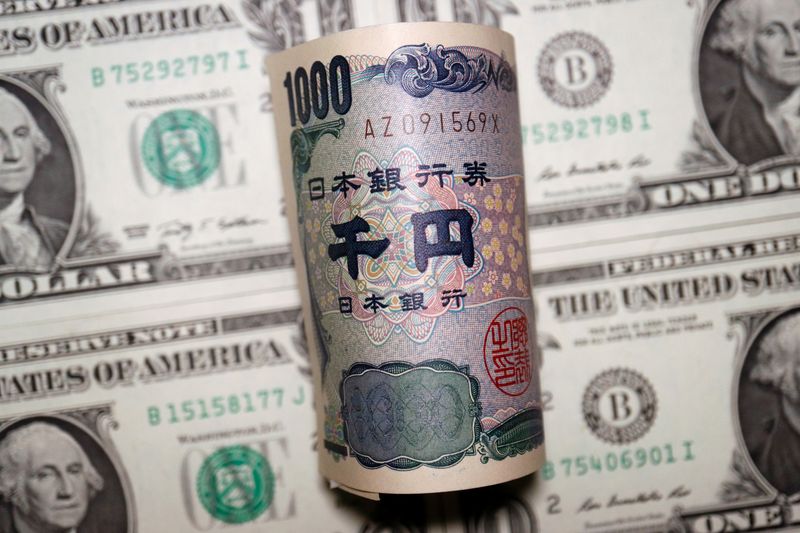
Asian currencies were mixed but generally under pressure as stronger-than-expected U.S. payrolls data (172,000 jobs added in May) lifted bets on a Fed rate hike later this year and kept the dollar near a two-month high. KOSPI weakness and a 0.8% drop in USD/KRW followed the won's slide to a 17-year low, while renewed missile exchanges between Iran and Israel increased safe-haven demand and added to inflation and energy-supply concerns. Investors now look to U.S. CPI and PPI data later this week for further Fed rate clues.
The market is starting to price a more persistent U.S. real-rate regime, which matters more for Asia FX than the headline move in rates themselves. The immediate losers are the most externally funded, valuation-sensitive pockets of Korea and Australia: a stronger dollar and higher-for-longer Fed expectations tighten financial conditions precisely when local growth is already soft, so any currency depreciation amplifies imported inflation and earnings translation pressure. That is a bad mix for semiconductors, cyclicals, and high-beta exporters that have been leaning on FX tailwinds to offset weaker end-demand.
The second-order effect is on capital flows, not just spot currencies. If USD strength and Gulf risk persist, regional allocators are likely to reduce hedges on U.S. duration and add USD liquidity protection, which can create a self-reinforcing outflow loop from Asia EM assets over the next 2-6 weeks. Korea is especially exposed because a weaker won tends to coincide with foreign selling in equities; that feedback loop can overshoot fundamentals before policy support stabilizes it.
Geopolitically, the Strait of Hormuz risk is less about immediate supply loss and more about inflation expectations re-anchoring higher. That raises the probability that front-end rate cuts get delayed even if growth data softens, which is bearish for rate-sensitive longs and supportive for energy, defense, and the dollar. The market may be underestimating how quickly a modest crude spike can transmit into breakeven inflation, forcing a repricing of the entire rates path.
Consensus seems to be treating this as a temporary risk-off episode, but the more important issue is that FX weakness and geopolitical risk are arriving just as U.S. data reduces the odds of a dovish pivot. That combination tends to last longer than the initial headline shock because it changes positioning and hedging behavior. The move looks only partially priced if upcoming U.S. CPI/PPI surprise to the upside, which would likely extend the dollar trend and pressure Asia beta further.
AI-powered research, real-time alerts, and portfolio analytics for institutional investors.
Request TrialOverall Sentiment
moderately negative
Sentiment Score
-0.35
