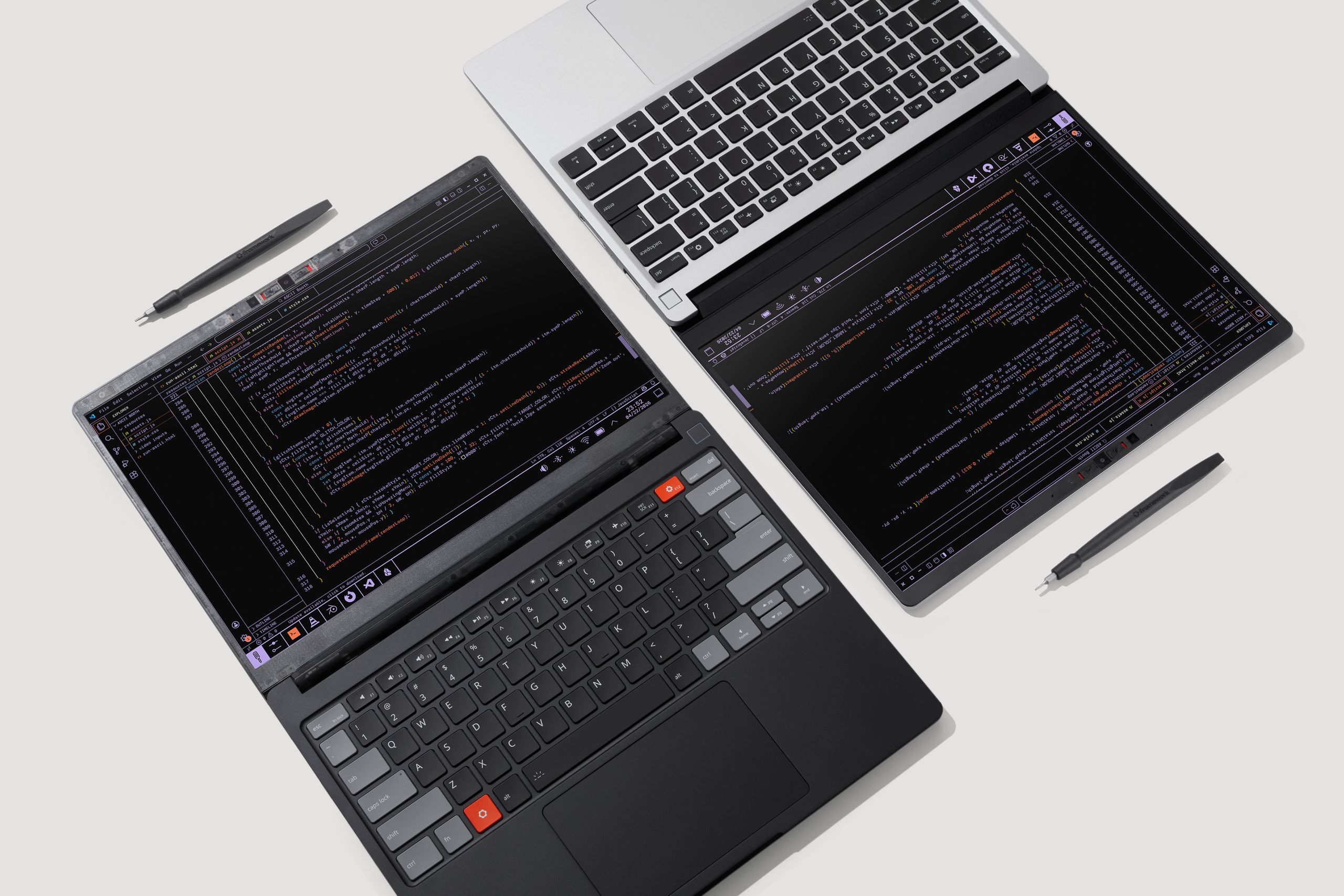
Framework launched the Laptop 13 Pro, a redesigned 13-inch modular laptop with a CNC-aluminum chassis, custom 13.5-inch 2880 x 1920 touchscreen, haptic touchpad, and a larger 74Wh battery. Pricing starts at $1,199 for DIY and $1,499 pre-built, with shipments planned for June 2026. The update also expands Intel Core Ultra Series 3 options, Wi-Fi 7, PCIe 5.0, and Ubuntu availability out of the box, reinforcing Framework’s upgradeable Linux-focused positioning.
This is a modest but meaningful incremental win for INTC, not because Framework is a volume driver, but because it is the kind of technically credible design win that reinforces Intel’s relevance in premium, enthusiast-adjacent notebooks where brand perception matters disproportionately. The more important second-order effect is that Intel is now being used as the platform for a “best-in-class Linux” story, which can help soften the narrative that its client roadmap is only competitive on paper. If the product lands well, it may improve Intel’s attach rate with smaller OEMs that want a halo SKU without carrying their own platform risk.
The supply-chain implication is more interesting than the headline. LPCAMM2 availability remains the gating factor for DIY adoption, which means the broader ecosystem is still early and constrained; Intel benefits if it can catalyze component standardization, but near-term unit upside is limited by memory bottlenecks rather than CPU demand. That also means any revenue impact for INTC will be lagged: this is a months-to-quarters story, not a next-quarter P&L move.
The contrarian read is that the market may be over-indexing on the “MacBook Pro for Linux users” framing while underappreciating how small the addressable market is. Framework’s audience is high-engagement but low-volume, so this is more about validation than earnings. Still, validation has real option value for Intel if it sustains a run of visible wins in premium mobile and AI PCs, especially against AMD’s stronger enthusiast halo.
Risk is execution: if battery life, thermals, or Linux support regress in real-world use, the premium positioning collapses quickly and the launch becomes another niche refresh. The key catalyst window is the first 30-90 days after June 2026 shipping, when early reviews and forum sentiment will determine whether this becomes a reference design or just another boutique SKU.
AI-powered research, real-time alerts, and portfolio analytics for institutional investors.
Request TrialOverall Sentiment
mildly positive
Sentiment Score
0.45
Ticker Sentiment
