
Řešení AIDC společnosti Huawei pro interakci s rozvodnou sítí: vytváření nového paradigmatu infrastruktury umělé inteligence
Source: PR Newswire
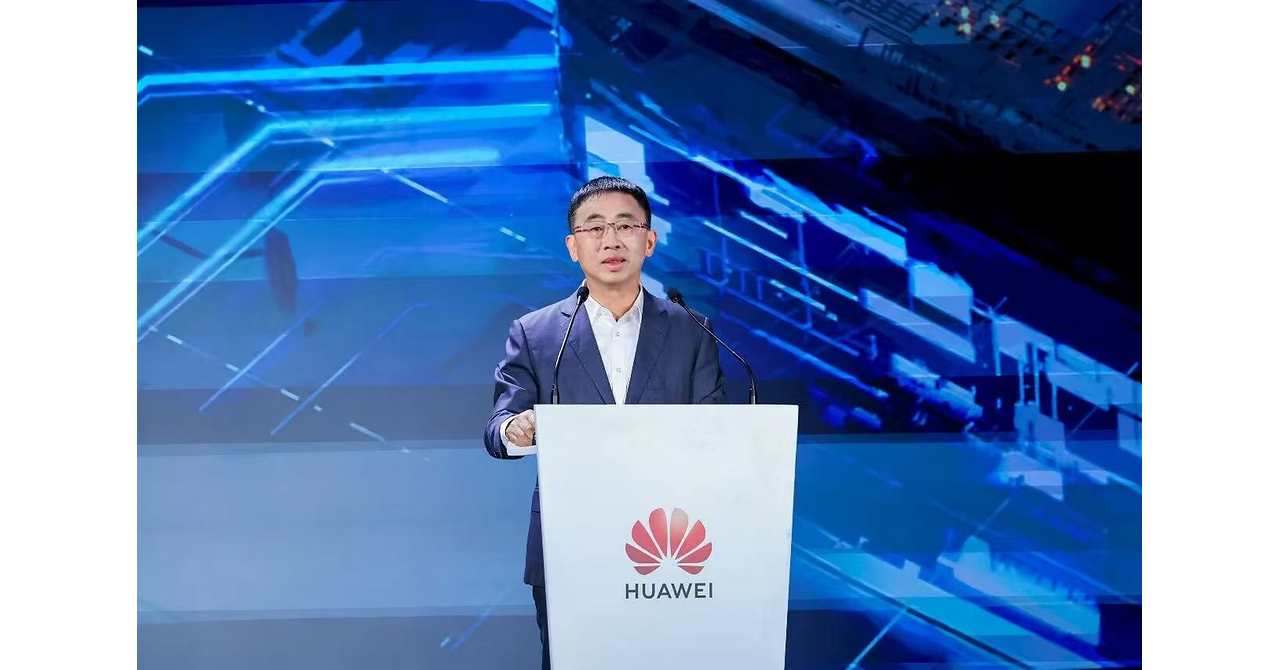
Huawei launched its grid-interactive AIDC 1.0 solution at HUAWEI CONNECT 2026, combining grid-friendly UPS systems, intelligent lithium batteries, energy storage and AI-powered liquid cooling to improve the reliability and energy efficiency of AI data centers. The company is positioning tokens per watt (TPW), rather than traditional PUE, as the key AI-infrastructure metric; SenseTime said its end-to-end optimization improved TPW by 80%. The offering targets GW-scale AI clusters by enabling data centers to smooth volatile AI workloads, interact with power grids and support greater renewable-energy integration.
Analysis
The investable implication is less about Huawei’s claimed efficiency and more about grid-interconnection becoming the binding constraint on AI capacity. Operators that can convert volatile GPU utilization into dispatchable load gain faster energization, lower curtailment risk and potentially incremental utility-service revenue; those without onsite storage, liquid cooling and power-management capability face delayed cluster commissioning. This favors integrated colocation operators with scarce powered-land inventory over commodity data-center capacity, but the economics depend on whether utilities recognize flexible-load capacity in interconnection agreements.
VNET has a credible strategic angle through its China AI-campus exposure, yet the announcement alone does not establish revenue, contracted MW, capex intensity, or Huawei procurement terms. The near-term equity catalyst is evidence that grid-interactive design shortens its time-to-power or lifts utilization on AI deployments; absent that, the market is likely to treat this as vendor marketing. Over 6-18 months, the larger risk is that power and battery requirements raise capex per commissioned MW faster than AI pricing improves, pressuring returns despite better PUE/TPW metrics.
The contrarian view is that token-per-watt optimization may commoditize infrastructure rather than create durable operator margin: hyperscalers and model providers can capture most savings through lower pricing, while data-center owners retain grid and financing risk. Huawei-specific deployment also introduces supply-chain, customer-concentration and geopolitical constraints that limit direct read-through to US-listed AI infrastructure names. The more durable beneficiaries globally are power-conditioning, liquid-cooling and energy-storage suppliers where grid volatility drives attach rates regardless of which compute platform wins.
AllMind Terminal
AI-powered research, real-time alerts, and portfolio analytics for institutional investors.
Request TrialMarket Sentiment
Overall Sentiment
moderately positive
Sentiment Score
0.48
Ticker Sentiment
Key Decisions for Investors
- Keep VNET on watch rather than initiate on this release; require disclosure of incremental contracted AI MW, commissioning timelines, capex/MW and expected EBITDA yield. Upgrade only if management demonstrates faster energized-capacity delivery or utilization improvement over the next 1-2 earnings reports.
- For a 6-12 month AI-power bottleneck expression, prefer a basket long Vertiv (VRT), Eaton (ETN) and Fluence (FLNC) against a short broad data-center/REIT proxy (SRVR) only after confirming rising backlog and pricing for power and cooling equipment; target 2:1 reward/risk, with exit on backlog deceleration or evidence that utility interconnection queues are easing.
- Treat VNET’s key falsifiers as rising net-debt/EBITDA, sustained capex escalation without contracted revenue, or guidance indicating delayed power delivery. A meaningful reduction in AI utilization or a utility rule limiting data-center demand-response compensation would invalidate the grid-flexibility margin thesis.
- Do not extrapolate claimed efficiency gains into VNET earnings until independently verifiable operating data are available; the immediate signal strength is insufficient for an event-driven long.
More News
- Huawei netinteractieve AIDC-oplossing: Het nieuwe paradigma van AI-infrastructuur vormgeven
- Soluzione Grid-Interactive AIDC di Huawei: plasmare il nuovo paradigma delle infrastrutture per l'IA
- Sieťové interaktívne riešenie AIDC od Huawei: formovanie novej paradigmy infraštruktúry umelej inteligencie
- Huawei Şebeke Etkileşimli AIDC Çözümü: Yapay Zeka Altyapısının Yeni Paradigmasını Şekillendiriyor
- Grid-Interactive-AIDC-Lösung von Huawei: das neue Paradigma der KI-Infrastruktur gestalten
- Solution AIDC de Huawei interconnectée au réseau électrique : façonner un nouveau paradigme pour les infrastructures d'IA