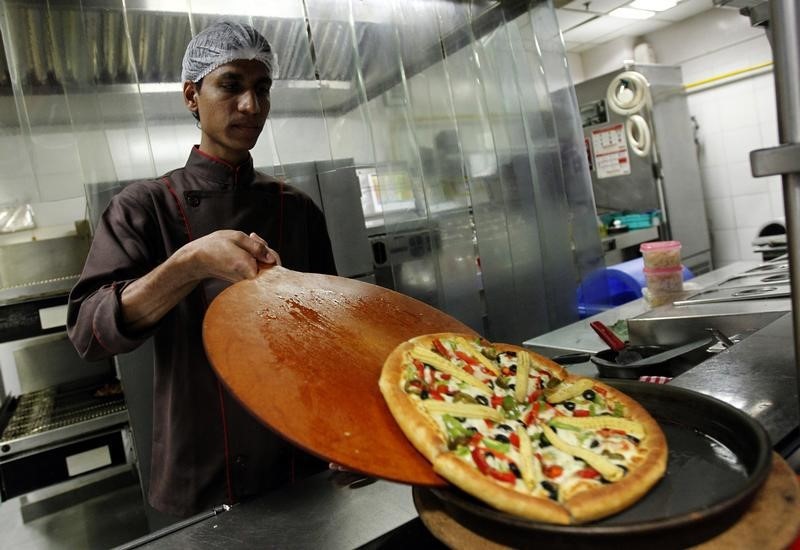
Curefoods has shelved its planned 8 billion rupee ($93 million) IPO after failing to attract institutional support at a targeted 40 billion rupee valuation. The Indian cloud kitchen operator now expects to revisit listing plans next year if market conditions improve. The delay reflects broader pressure on loss-making Indian internet and tech startups, following similar setbacks at PhonePe and Flipkart.
This is a useful signal that the private-market clearing price for consumer internet growth in India is still being repriced lower, and that repricing is now hitting adjacent “asset-light” consumer names, not just pure software. When IPO windows shut for loss-making businesses, the second-order effect is a longer capital cycle: founders lean harder on private rounds, venture funds de-risk by demanding earlier profitability, and public-market comps stop supporting aggressive revenue-multiple underwriting. That usually compresses valuations across the entire late-stage cohort for 1-2 quarters before stabilizing.
For listed food-delivery and consumer internet peers, the immediate winner is not necessarily a direct competitor but incumbents with cash-generative profiles and cleaner unit economics. The market tends to punish all “growth at any cost” stories when one emblematic offering fails, even if the underlying business is idiosyncratic; that creates relative-value opportunities in profitable operators versus pre-IPO or recently listed loss-makers. The risk is that this becomes a broader flow event: mutual funds and domestic institutions may reduce exposure to the category until the next quarter’s earnings demonstrate margin durability, which can keep multiples under pressure longer than the fundamental news flow alone would justify.
The contrarian view is that shelving the deal may actually be constructive for long-term equity value if it forces discipline on burn and monetization, making a future listing at a higher-quality earnings base more likely. In other words, the near-term negative is a valuation reset, but the medium-term positive is a forced pivot toward profitability. If public comparables stop discounting growth stories purely on TAM, the best rebound trades will be the names that can show 2-3 consecutive quarters of contribution-margin improvement, not the fastest top-line growers.
AI-powered research, real-time alerts, and portfolio analytics for institutional investors.
Request TrialOverall Sentiment
mildly negative
Sentiment Score
-0.35
Ticker Sentiment
