
DJI Matrice 5T lleva las operaciones aéreas inteligentes a un nuevo nivel, de día o de noche, para misiones exigentes
Source: PR Newswire
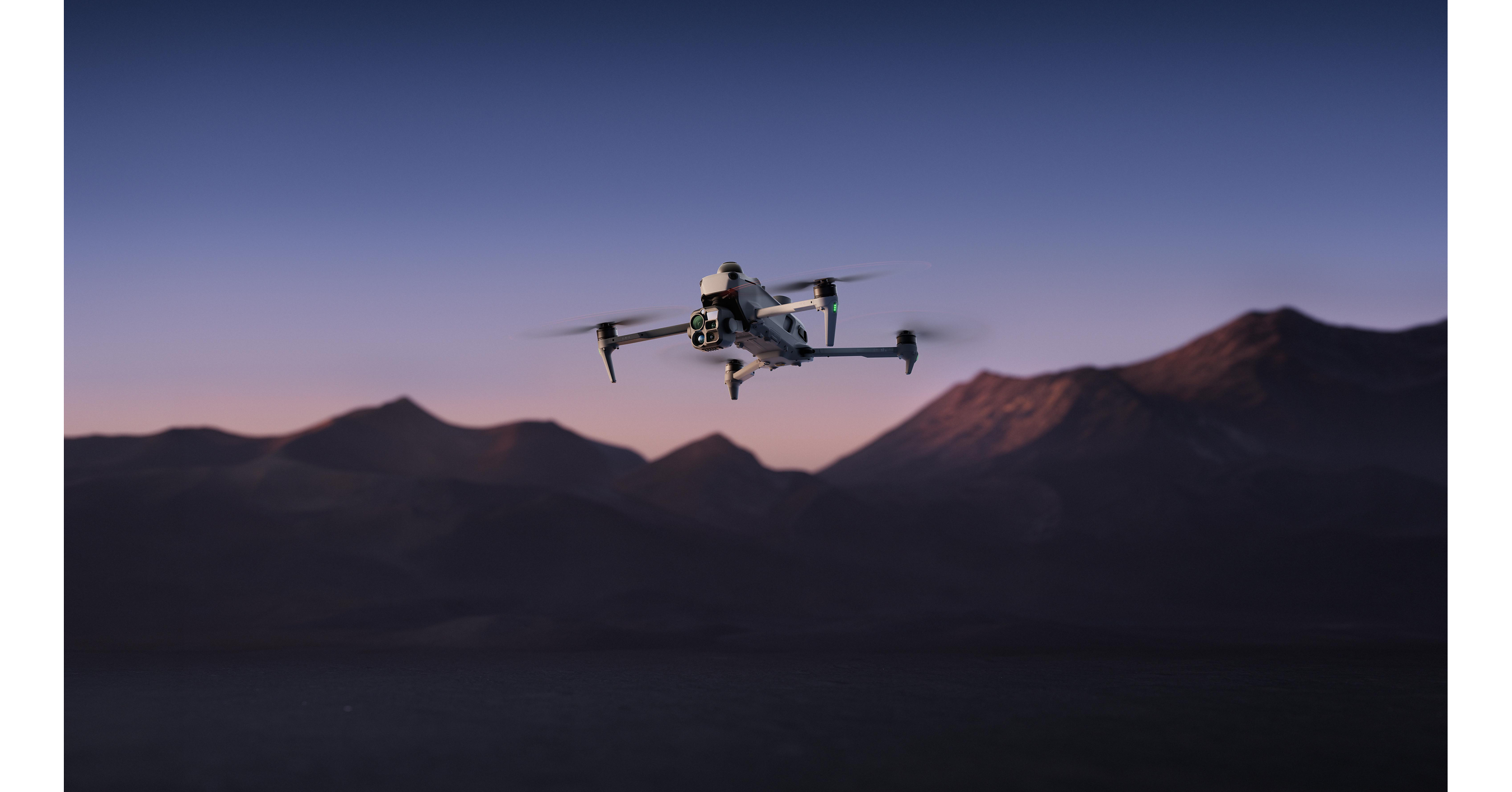
DJI lanzó el Matrice 5T, un dron profesional con clasificación IP55, hasta 59 minutos de vuelo y un sistema integrado de LiDAR, radar mmWave y detección visual. Sus principales especificaciones incluyen imágenes térmicas nativas de 1280×1024, transmisión de hasta 40 km y funciones de IA para detectar más de 20 tipos de objetivos. Está disponible desde hoy a través de distribuidores autorizados; el artículo no aporta datos de precio, ventas ni reacción del mercado.
Analysis
The commercial signal is workflow integration, not a step-change in drone demand: combining sensing, onboard analytics and mapping could reduce the labor and processing burden per inspection, making repeat use easier to justify for utilities, solar operators and emergency services. If customers validate those savings, the durable value may accrue to fleet-management and inspection software as much as to airframes. Conversely, tighter integration raises the bar for standalone sensor and mapping vendors and could intensify price competition in enterprise hardware.
Near term, this is a product announcement, not evidence of orders, realized pricing or margin contribution; the listed-equity read-through is therefore weak. DJI is not a direct public-equity trade. Over 1–3 months, watch distributor availability, customer wins and procurement eligibility. US and other government buyers may still discount security assurances where policy favors domestically sourced systems; certifications and user data controls do not resolve that procurement risk. This creates an opening for Skydio and Parrot where approved sourcing matters, though the launch alone does not establish share gains. Over 6–18 months, successful deployments could expand drone use in recurring inspections, while lower per-mission costs may pressure labor-intensive inspection providers. The contrarian risk is assuming capability claims convert quickly into adoption: weather, flight permissions, integration and operator training can dominate sensor specifications. Falsify the adoption thesis if deployments fail to produce repeat contracts or measurable reductions in inspection time/cost; falsify the competitor-upside thesis if procurement rules loosen for DJI or customers prioritize performance over origin.
AllMind Terminal
AI-powered research, real-time alerts, and portfolio analytics for institutional investors.
Request TrialMarket Sentiment
Overall Sentiment
mildly positive
Sentiment Score
0.35
Key Decisions for Investors
- No immediate directional trade: the announcement supplies no order, pricing, shipment or financial-impact data, and DJI has no direct public-equity exposure. Treat it as a competitive signal, not an earnings catalyst.
- Add Skydio and Parrot to a procurement-driven watchlist, not an automatic pair trade. Revisit only with evidence of DJI exclusion in target markets or competitor contract wins; verify local procurement rules and product qualification first.
- Monitor public companies exposed to utility/solar inspection services and drone-mapping software for 1–3 months. Prefer evidence of repeat deployments and customer-reported inspection-cost savings over hardware specifications; a lack of recurring contracts would weaken the structural adoption case.
More News
- Magnificent 7 loses $1 trillion. The most eye-popping stats from Thursday's tech stock plunge
- Tech stocks are suffering their biggest selloff since Covid, as investors see premature end to AI datacenter boom
- Wall Street’s best post-midterm rally in 44 years lasted just one day—then $3 trillion vanished as chip stocks plunged over AI fears
- How Wall Street's postelection rally got obliterated — and what's next
- Elon Musk's Tesla and SpaceX lose over $420 billion in combined market cap after midterms
- AI stocks plunge after election, driving down US markets