
India’s Dollar Deluge Creates a Problem of Plenty
Source: Bloomberg
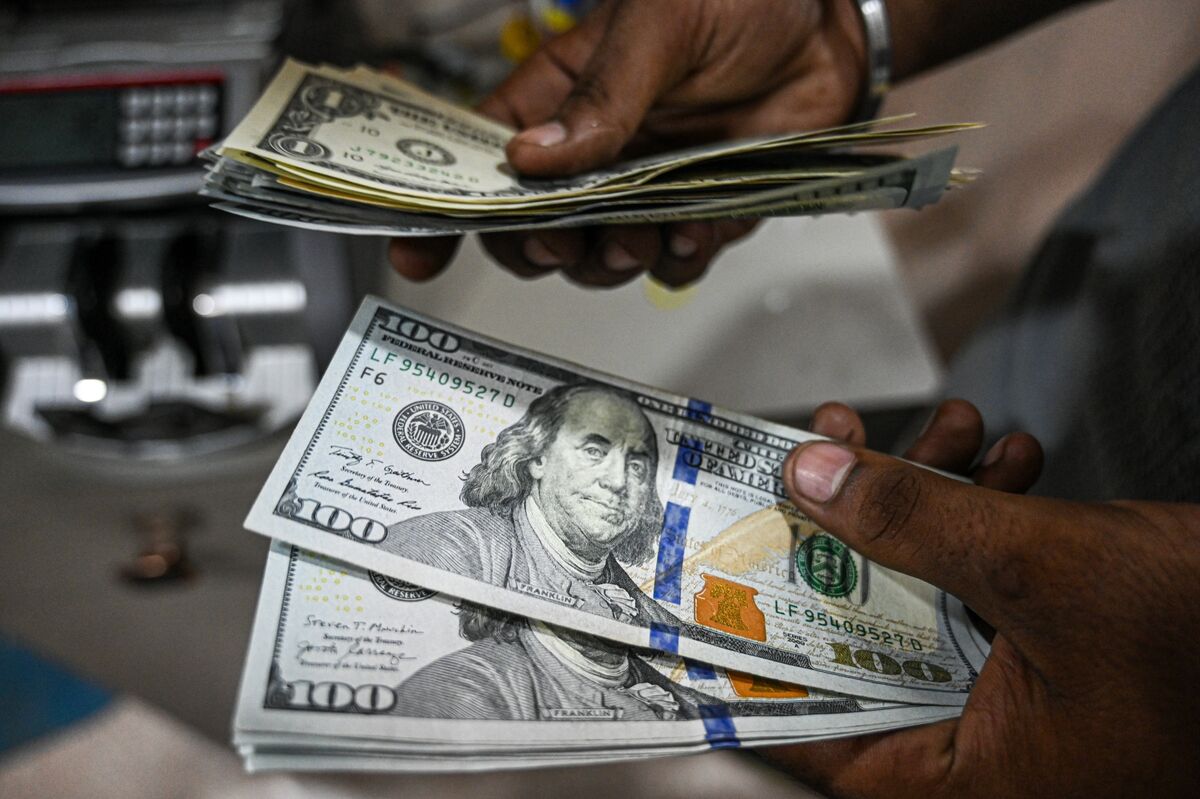
Strong dollar inflows into India are creating excess cash liquidity in the banking system, presenting the Reserve Bank of India with a potential policy-management challenge. The article frames the liquidity surge as a "problem of plenty," implying that the RBI may need to carefully manage the monetary and currency effects of sustained capital inflows. It also flags discussion around key issues facing the Global Fintech Fest in Mumbai.
Analysis
Excess system liquidity is initially supportive for Indian duration assets and reduces marginal funding costs, but it is not uniformly bullish for bank equities. Large private lenders such as HDFCB, ICICIBC and KKBIN can deploy lower-cost deposits into credit growth; however, if liquidity remains abundant, loan repricing and deposit competition could compress net interest margins over the next 1-3 quarters. The more vulnerable cohort is smaller lenders and NBFCs whose funding-cost advantage disappears just as larger banks gain capacity to compete more aggressively for prime borrowers.
The key transmission mechanism is RBI sterilization. Absorption through variable-rate reverse repos, cash-reserve measures, or FX intervention would tighten rupee liquidity without necessarily changing the policy rate, raising short-end rates and potentially reversing the duration rally within days. A sustained liquidity surplus also limits INR appreciation only if the central bank continues buying foreign exchange; otherwise, currency strength becomes a headwind for IT exporters such as INFY, TCS and WIT, while lowering imported-inflation pressure for domestic consumption names.
Consensus may overstate the direct benefit to financials: liquidity created by capital inflows can be transient and may be sterilized before it translates into incremental loan growth. The cleaner 6-18 month implication is a lower risk premium for Indian government bonds and broad domestic cyclicals if inflows persist, but that thesis fails if oil rises, foreign portfolio flows reverse, or RBI prioritizes INR stability over reserve accumulation.
AllMind Terminal
AI-powered research, real-time alerts, and portfolio analytics for institutional investors.
Request TrialMarket Sentiment
Overall Sentiment
mildly negative
Sentiment Score
-0.15
Key Decisions for Investors
- Maintain a tactical 1-3 month long duration bias through INDA or India government-bond exposure where accessible; reassess if RBI liquidity absorption pushes overnight/short-end rates materially higher or if USD/INR breaks into a disorderly depreciation trend.
- Prefer ICICIBC and KKBIN over HDFCB and rate-sensitive NBFC proxies for a 1-2 quarter financials allocation: stronger deposit franchises should better withstand competitive loan repricing. Falsify on sequential NIM guidance deterioration or evidence that deposit costs remain sticky despite surplus liquidity.
- Use a relative-value hedge of long domestic-demand India exposure via INDA versus a modest short/underweight in export-heavy Indian IT exposure (INFY, TCS) if INR appreciation accelerates; close the hedge if RBI intervention caps INR strength or US technology spending reaccelerates.
- Do not add broad Indian bank beta solely on liquidity headlines. Set an alert for sustained credit-growth acceleration and stable bank NIM guidance at the next earnings cycle; absent those confirmations, the likely near-term outcome is multiple support rather than an earnings upgrade.
More News
- AI agents could disrupt bank deposits. Why Wall Street may be overreacting
- Piero Cipollone: Interview with Milano Finanza
- Fintech platform OPay files for $336 million U.S. initial public offering
- AT1s’ Easy-Money Run Fades as Banks Pay Up for Riskiest Debt
- Votes and Verdicts: US Elections, Uber Assault Cases, SALT Cap
- First Hawaiian stock dips 2% on third-quarter earnings miss