
Six Months After Groundbreaking, Six Altadena Families Move In to Their Rebuilt Homes
Source: PR Newswire
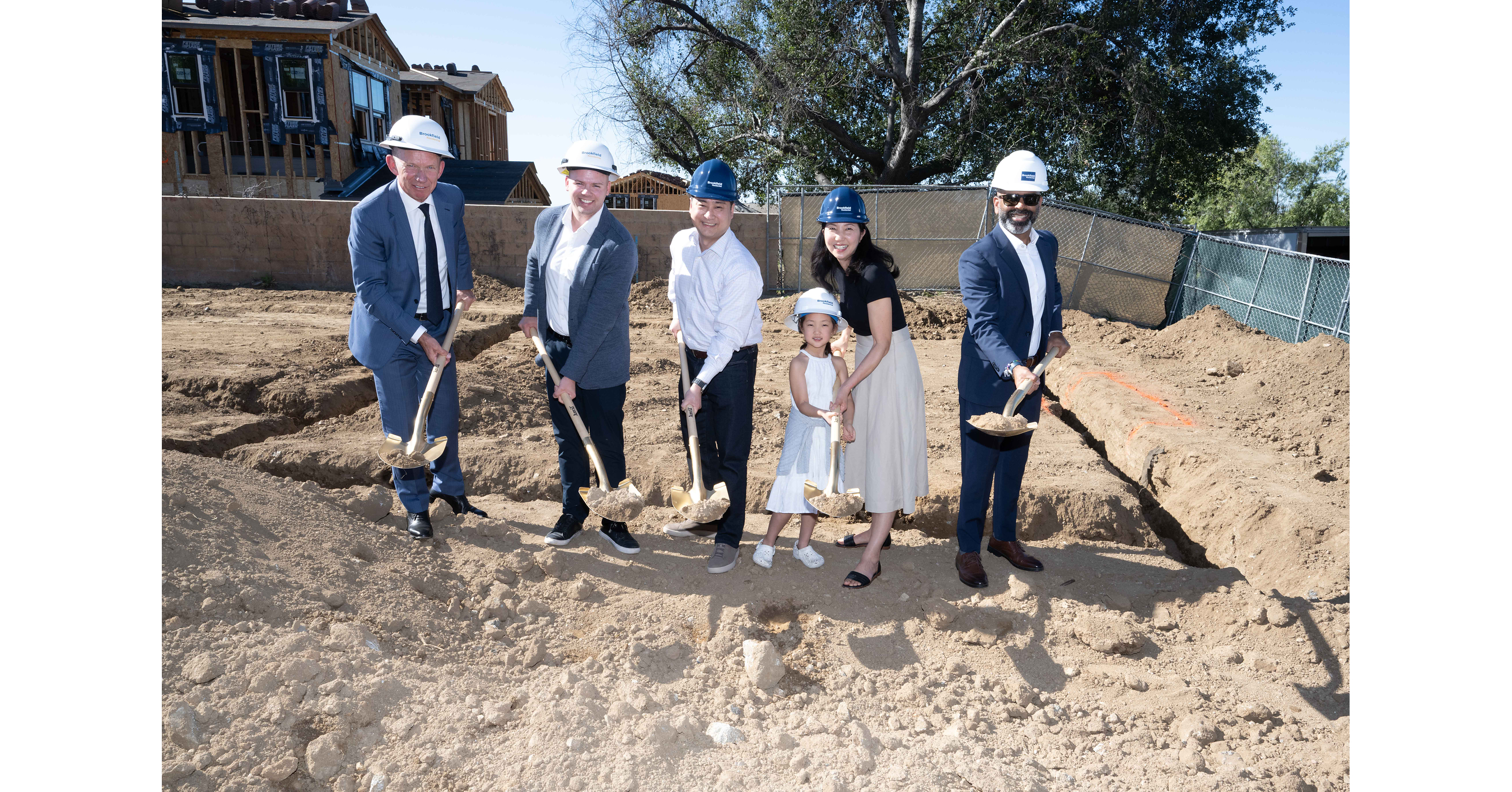
Brookfield Residential completed six Eaton Fire-destroyed La Viña homes in Altadena within six months of groundbreaking, with all projects completed on or under budget. The coordinated rebuild used pre-approved designs and reduced plan-check timelines to 45-60 days from roughly four to six months, compared with only about 1% of Altadena homes rebuilt 18 months after the January 2025 fires. Brookfield has also contracted to rebuild six Pacific Palisades homes for completion in June or July 2027, with rebuild pricing ranging from $610,800-$706,300 in Altadena and $847,700-$1.27M in Pacific Palisades.
Analysis
The direct earnings contribution to BN is immaterial at the current scale, but the strategic signal is more valuable: standardized designs, repeat permitting, and clustered procurement can convert a custom, low-margin disaster-rebuild market into a replicable fee and development platform. If this model scales across Southern California, Brookfield Residential can improve construction-cycle velocity and working-capital turns without requiring the land-bank risk normally associated with volume homebuilding. The relevant valuation question is whether this becomes a differentiated, asset-light rebuilding channel inside BN rather than a localized goodwill initiative.
The near-term bottleneck is no longer principally build capacity; it is insurance-claim settlement, mortgage payoffs, and homeowner willingness to commit amid elevated replacement-cost uncertainty. That creates a 1-3 month risk that signed rebuild interest does not translate into starts at the same rate, while 6-18 month upside depends on municipalities keeping pre-approved-plan pathways open and insurers accepting resilient-build specifications without imposing punitive premiums. A material reversal would be renewed permitting friction, labor-cost inflation, or California insurance-market deterioration that leaves homeowners underinsured.
The second-order beneficiary is the production-builder cohort with California design libraries and purchasing scale—particularly LEN and KBH—if governments institutionalize template-based post-disaster rebuilding. Conversely, small local general contractors face share loss as homeowners prioritize certainty of price, schedule, financing documentation, and insurer-compatible specifications over bespoke design. Consensus may over-credit the immediate revenue opportunity while underestimating the long-duration data, permitting, and insurer relationships created by owning the homeowner workflow.
BN should not rerate materially on this release alone; its diversified asset-management and infrastructure earnings dominate. The investable catalyst is evidence that the rebuilding model converts into a disclosed pipeline, third-party capital vehicle, or broader municipal partnership, which would demonstrate that the platform can earn recurring economics beyond the initial affected neighborhoods.
AllMind Terminal
AI-powered research, real-time alerts, and portfolio analytics for institutional investors.
Request TrialMarket Sentiment
Overall Sentiment
moderately positive
Sentiment Score
0.48
Ticker Sentiment
Key Decisions for Investors
- No standalone BN trade on the announcement; maintain existing exposure only. Reassess if BN discloses a contracted rebuild pipeline large enough to be economically visible or establishes a third-party capital/rebuild vehicle within 6-12 months.
- Set a 1-3 month watch on LEN and KBH for evidence of standardized California fire-rebuild programs, permit-volume acceleration, or incremental Southern California starts. Favor LEN over KBH if scale procurement and balance-sheet capacity become the dominant competitive advantage; avoid entry absent disclosed backlog because the current news does not quantify earnings sensitivity.
- Monitor California insurance availability and replacement-cost inflation as the falsification indicators for the broader rebuild thesis: rising policy non-renewals, widening coverage gaps, or material upward revisions to rebuild costs would impair conversion from permits to construction starts.
- For a structural housing-recovery expression, consider a small long ITB position only after post-disaster permitting converts into sustained starts over two consecutive monthly data releases; use a 6-12 month horizon and exit if mortgage rates rise enough to materially reduce homeowner financing capacity or if municipal pre-approval programs are curtailed.
More News
- All Iranian airlines to be 'shut down' from Wednesday, Bessent tells CNBC
- Taiwan benchmark Taiex rises to record intraday high as tech stocks advance
- AMD joins the $1 trillion club as chip rally surges - our AI Strategy saw it early
- Jamie Dimon says hyperscaler AI spending could hit $1 trillion next year
- Here's who we know is going to the Trump-Xi dinner so far
- UK to refuel Saudi jets to help counter Houthi attacks