
California homeowners offered up to $18,300 in incentives to increase their home's energy independence
Source: PR Newswire
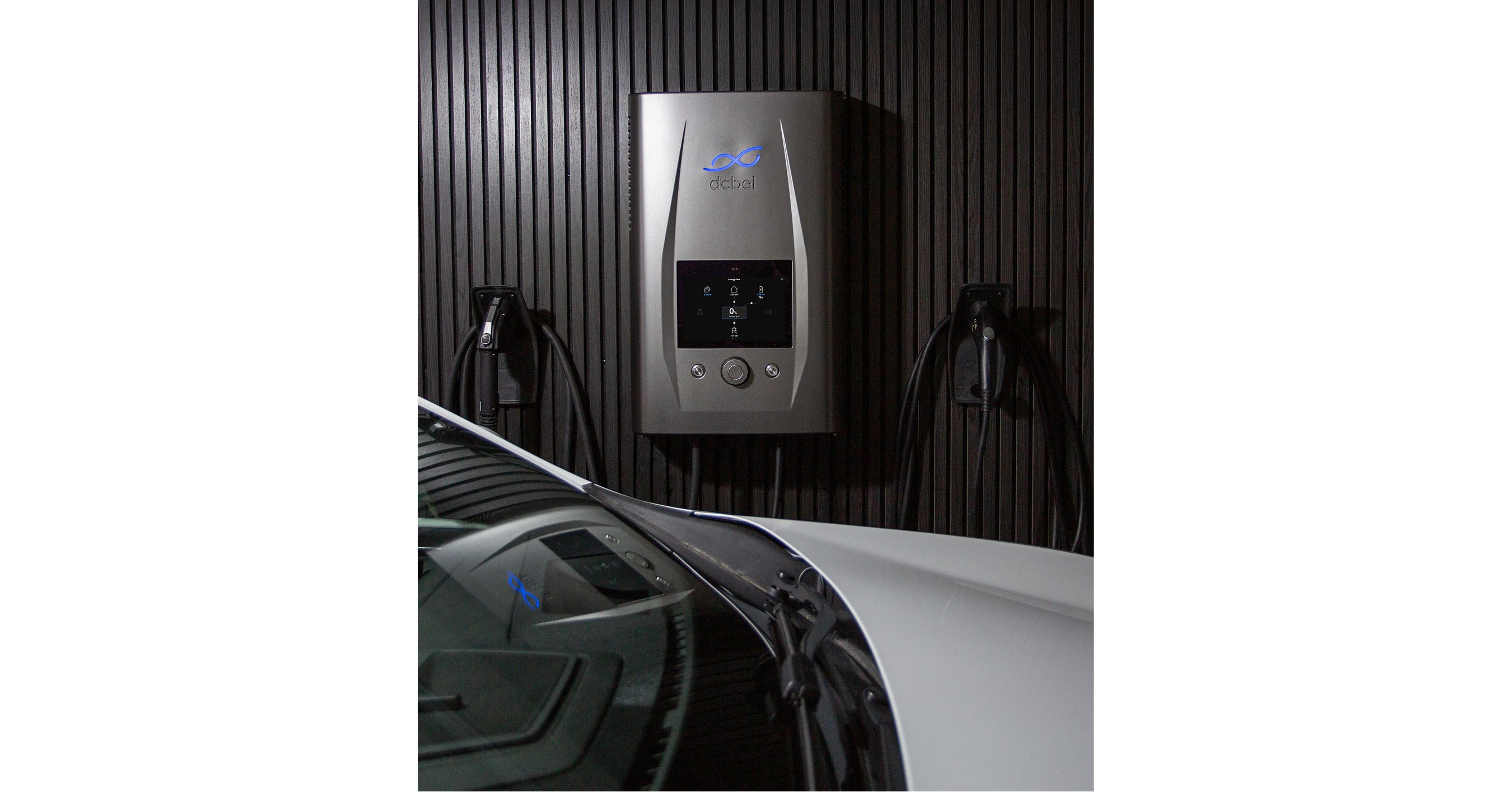
dcbel announced eligible California homeowners can access combined incentives of up to $18,300 by stacking the California Connected Home Rebate (up to $13,800) with PG&E incentives (up to $4,500). The PG&E Vehicle-to-Everything (V2X) program adds an upfront incentive of $2,500 (rising to $3,000 in Disadvantaged Communities) plus a $1,500 Early Adopter Incentive for the first 250 participants. The article positions the dcbel Ara Home Energy Station as enabling solar+storage+bidirectional charging and claims customers can save up to $1,300/year and stay powered for up to 10 days during outages, with fewer than 50 spots remaining on a first-come basis.
Analysis
This reads more like a policy-validation event than a hard earnings catalyst. The economic value is not in the rebate itself; it is in California beginning to subsidize a behind-the-meter flexibility stack, which over time can shift spending toward software orchestration, financing, and installer capture rather than pure hardware margin. For PCG, the near-term benefit is better peak management and fewer outage complaints, but the structural tension is that every successful home-battery/V2X deployment reduces load growth, which is more important to long-duration utility valuation than any one pilot.
The competitive read-through is more interesting for distributed energy vendors than for the utility. Bundled systems that combine solar, storage, and bidirectional charging can pressure standalone inverter and storage economics if they simplify installation and lower customer friction; that is a medium-term headwind for component-heavy models if the integrated route proves easier to sell. The first-order winner is the platform that owns the customer relationship and control layer; the loser is any vendor forced into a commodity attach role.
Consensus may be overreading adoption speed. The current incentive pool is tiny relative to the addressable California housing stock, and the real bottlenecks are permitting, interconnection, installer throughput, and whether the post-subsidy payback still works. The thesis is falsified if California does not widen the program or if install data show weak conversion after the initial tranche; it strengthens if V2X starts appearing in utility filings as a deferred-capex tool over the next 6-18 months.
AllMind Terminal
AI-powered research, real-time alerts, and portfolio analytics for institutional investors.
Request TrialMarket Sentiment
Overall Sentiment
mildly positive
Sentiment Score
0.25
Key Decisions for Investors
- No immediate trade in PCG; treat the headline as earnings-neutral and fade any short-term re-rating. The most likely outcome is a modest operational benefit offset by reduced load growth over time. Falsify the bearish utility view only if PG&E can monetize V2X in its next rate case or California scales the program materially beyond a pilot.
- Put ENPH and SEDG on a tactical short watch rather than shorting outright today. The installed-base story could improve for the whole sector if adoption broadens, but integrated home-energy bundles are a competitive threat to standalone inverter/storage economics. Short only if California expands V2X materially or installer surveys show bundled systems taking share; stop if attach rates remain de minimis after the first tranche.
- Use TSLA as the cleanest public-market optionality on bidirectional EV batteries becoming a grid asset. A small, long-dated call-spread position makes sense only if you want exposure to the secular adoption path, not the current pilot; risk is that the ecosystem remains fragmented and utilities own the interface. If California does not expand incentives within 1-2 quarters, take profits or close.
More News
- Why is T-Mobile stock tumbling today?
- Why is Verizon stock sliding today?
- SpaceX wants to become a 'major mobile carrier' with low-band spectrum acquisition
- Trump says US will not strike Iran before midterm elections
- Soitec climbs 7% as BofA turns bullish on silicon photonics demand
- Zimbabwe Says No Justification to Delay Lithium Export Ban