
Malteurop acquires the Chunlei Malting Co. malting plant - A strategic investment that significantly expands its operations and strengthens its position in export markets
Source: PR Newswire
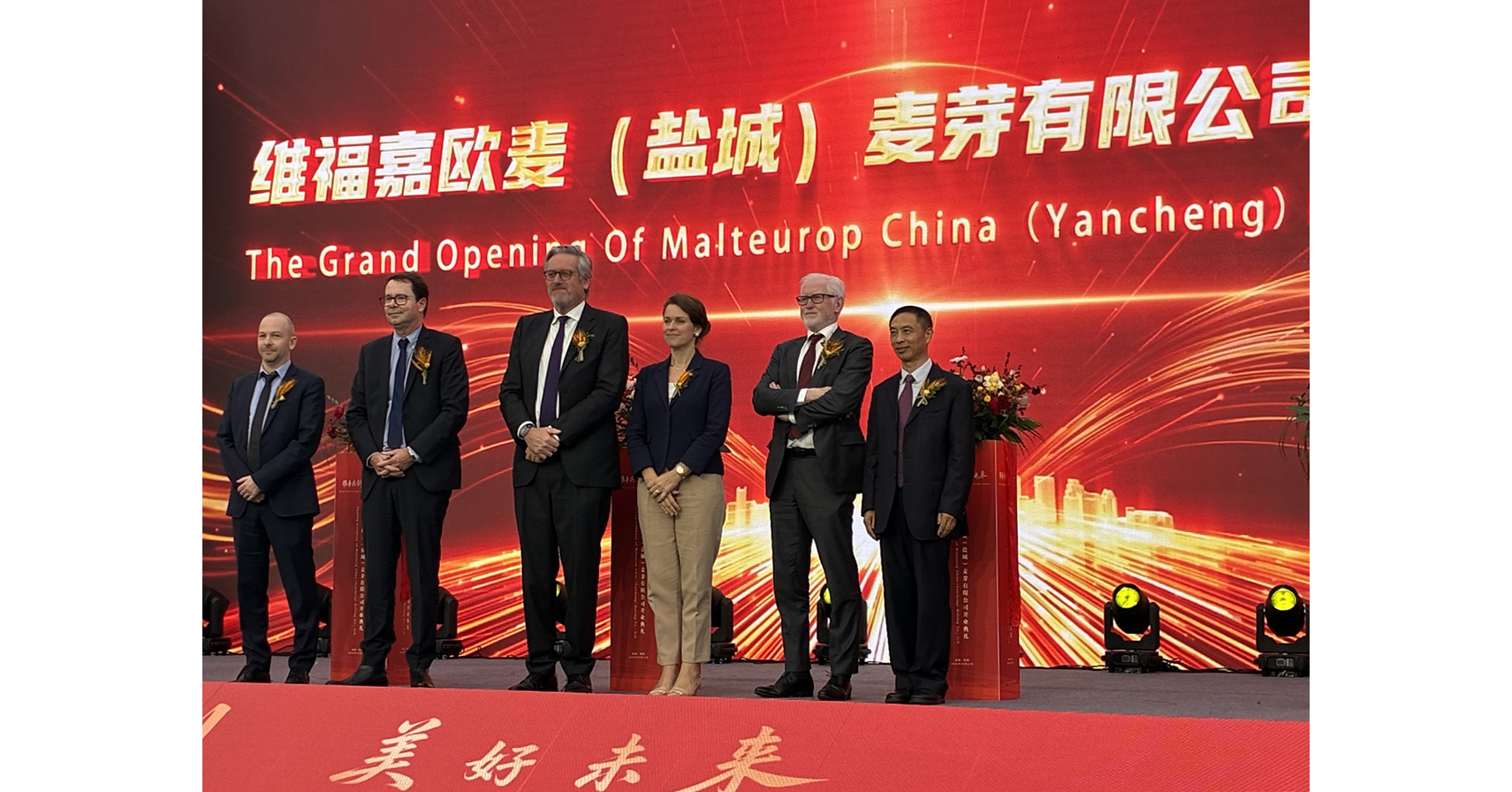
Malteurop, the malting business of France’s VIVESCIA cooperative, acquired the Chunlei Malting plant near Yancheng, China; the deal was finalized in summer 2026. The plant adds annual capacity of 220,000 tonnes of malt—enough for about 2 billion liters of beer—and expands Malteurop’s manufacturing and logistics footprint for Chinese and export markets. Its production combines locally sourced biomass with renewable electricity and battery storage; VIVESCIA said further capacity investments may follow.
Analysis
The strategic value is less the headline capacity than the option to route production between Chinese brewers and export markets. If utilization and export access are strong, Malteurop could gain bargaining leverage and pressure incumbent malt suppliers on price; if the plant mainly shifts existing volumes within the group, the incremental earnings effect may be modest. The acquisition could also intensify local competition for brewing customers without materially changing beer demand. Chinese brewers may benefit from more local supply and shorter logistics, while barley suppliers and rival maltsters face a potential mix shift; the direction for imported barley depends on the plant’s sourcing mix, which is not disclosed.
Low-carbon processing may help win customer or regulatory preference, but it is not yet evidence of a cost advantage: biomass availability, delivered cost, and plant utilization determine whether the energy mix improves margins. The claim of future investment is an intention, not a committed capacity plan. The deal was finalized in summer, so absent new financial disclosures the announcement itself is unlikely to provide a durable near-term catalyst. Over 1–3 months, verify utilization, customer contracts, export permissions, feedstock sourcing, and any capacity or integration spending. Over 6–18 months, sustained exports or follow-on investment would make the competitive effect more meaningful. The thesis weakens if the facility runs below economic utilization, exports are constrained, or local price competition erodes returns. Since VIVESCIA and Malteurop are not publicly traded in the supplied identities, there is no direct listed-equity expression; avoid treating this as a standalone bullish signal for brewers.
AllMind Terminal
AI-powered research, real-time alerts, and portfolio analytics for institutional investors.
Request TrialMarket Sentiment
Overall Sentiment
moderately positive
Sentiment Score
0.55
Key Decisions for Investors
- No immediate trade: the acquisition is already completed, the buyer is a cooperative group, and purchase price, utilization, financing, and earnings contribution are undisclosed.
- Set a watch item for disclosed plant utilization, malt sales by destination, and export permissions; stronger-than-expected export volumes would support a view that the deal is displacing rival suppliers rather than merely relocating Malteurop production.
- Track Chinese brewer sourcing and malt pricing for evidence of lower input costs. Do not infer a benefit to listed brewers such as AB InBev or Heineken without evidence that they source from the facility or obtain improved contract terms.
- Reassess if VIVESCIA announces follow-on capacity spending or if Chinese trade or energy policy changes the economics of barley sourcing, exports, or biomass supply.
More News
- US-Iran war, then and now: How the landscape has changed since February
- With earnings in rearview mirror, SpaceX-Tesla merger chatter takes center stage
- Energy markets are adapting to the Iran war as a ‘forever conflict’ while oil producers keep supplies flowing and avoid ‘mutually assured destruction’
- Apple’s $2,000 iPhone Duo Debuts With Limited Supply
- Are global oil reserves sufficient to withstand renewed US-Iran war?
- Boeing 777 freighter output halted for two months over supplier row
From AllMind Research
- Anthropic IPO Preview: Valuation, Timing, and What to Watch
- Shein After the IPO: Venue, Valuation, and What Must Be Proved
- What AI Research Tools Should a Small Hedge Fund Buy First?
- Stop Treating AI Like a Chatbot: What Are Agents, SubAgents, MCP, and Skills, and How Do They Actually Work?
- Earnings-Triggered Research Automations: A Control Guide