
Can AEGIS Combat System Demand Boost Lockheed Martin's Growth?
Source: zacks.com
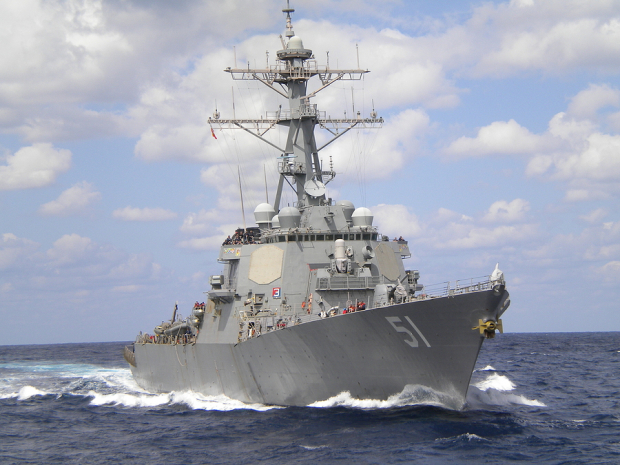
Lockheed Martin received a $94.2 million U.S. Navy contract modification to continue AEGIS Combat System engineering, software-baseline development and integration testing for the Royal Canadian Navy through December 2027. The Foreign Military Sales-funded award reinforces demand from allied naval modernization and adds to Lockheed's long-term AEGIS backlog, though it is modest relative to the company's scale. LMT has risen 2% over the past year versus a 16% industry decline, while 2026 and 2027 consensus earnings estimates have increased over the past 60 days.
Analysis
The award is immaterial to Lockheed Martin's consolidated earnings and should not itself alter estimates; its value is informational. It reinforces that AEGIS is a recurring software, integration and sustainment annuity rather than a one-time shipbuilding program, with higher-margin follow-on content possible as allied fleets require interoperability upgrades, missile-defense integration and lifecycle support. The investable signal is whether this converts into a broader Canadian surface-combatant content pipeline and comparable allied FMS awards over the next 6-18 months.
RTX is the more direct second-order beneficiary if naval air-defense modernization drives interceptor and radar pull-through, while NOC can gain where electronic-warfare and command-and-control upgrades are layered onto existing combat systems. However, platform primes' revenue recognition is slow and subject to program milestones; a stronger defense narrative can expand multiples before backlog translates into cash. Near-term price reaction should be muted, but a sequence of allied naval orders or a higher FMS authorization cadence could support estimate revisions over 1-3 months.
Contrarian view: relative valuation screens are not sufficient in defense. LMT's discount can persist if fixed-price legacy-program charges, supply-chain friction, or cash-conversion concerns outweigh modest international awards. The thesis is falsified by renewed margin pressure in Rotary and Mission Systems, weak book-to-bill/FMS pipeline commentary, or Canadian procurement delays; the relevant catalyst is management's next backlog and segment-margin update, not this modification alone.
AllMind Terminal
AI-powered research, real-time alerts, and portfolio analytics for institutional investors.
Request TrialMarket Sentiment
Overall Sentiment
mildly positive
Sentiment Score
0.40
Ticker Sentiment
Key Decisions for Investors
- No standalone trade on the contract: wait for evidence of a broader Canadian/allied AEGIS order pipeline in LMT's next earnings call or FMS notifications. A single sub-$100M modification is below the threshold for a durable estimate change.
- Maintain or initiate a 6-12 month long LMT / short NOC pair only on a 5-8% LMT pullback: LMT has clearer recurring naval-system sustainment exposure, while the hedge reduces broad defense-budget and geopolitical-beta risk. Exit if RMS margin guidance is cut or LMT's international order commentary fails to improve.
- Prefer RTX over NOC as a complementary 12-18 month naval air-defense exposure, contingent on disclosed radar/interceptor awards or accelerating missile backlog. Use a roughly 2:1 upside/downside target; defense-prime execution issues and production constraints remain the principal risks.
- Set an alert for Canadian Surface Combatant schedule, budget, or configuration decisions. Confirmation of expanded AEGIS-related scope would justify raising LMT exposure; a procurement deferral would undermine the international naval-modernization read-through.
More News
- The People of Utah vs. Kevin O’Leary
- More Signs This Defense ETF Can Take Off
- US to send third aircraft carrier towards Iran: US official to Al Jazeera
- SoftBank completes final phase of $30 billion investment in OpenAI
- ‘They’ll be hit very hard’: Trump sends roughly 9,000 troops and a third aircraft carrier to the Middle East after warning strikes on Iran
- Russia’s Putin rules out ceasefire with Ukraine during speech in Moscow