
RT2026 de la RSPO aborda incendios en Indonesia, la Puerta Única de Exportación y la inclusión de pequeños agricultores
Source: PR Newswire
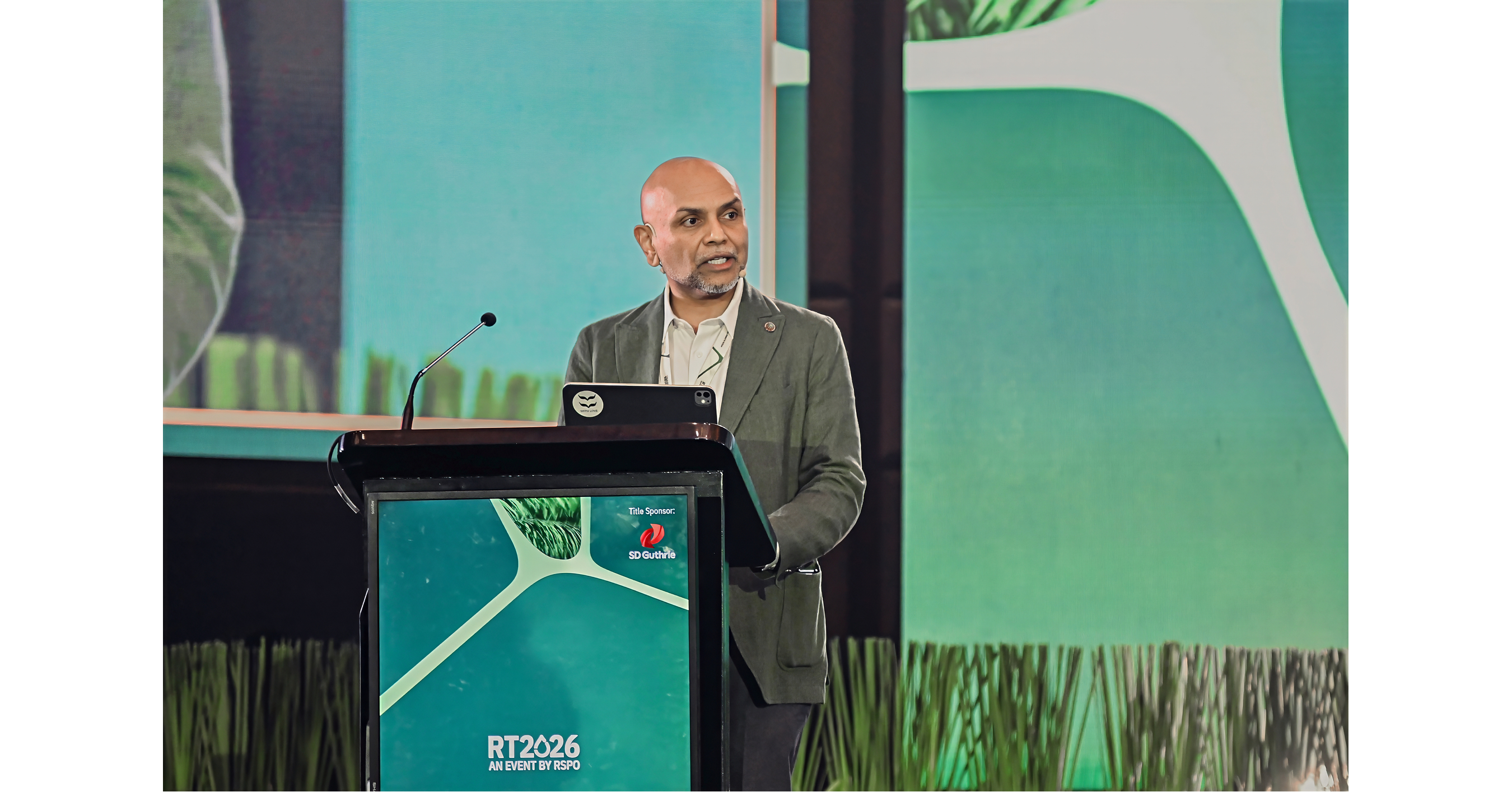
Satellite analysis cited at RSPO RT2026 found 14,500 hectares burned or affected by fires within RSPO-certified concessions in Indonesia from January to September 2026, about 0.8% of the 1.9 million hectares burned nationwide; the article also reports no burned area in certified independent smallholder plots. The conference recognized 45 newly certified smallholder groups from five countries and highlighted buyers of RSPO credits. Indonesia’s DSI said its export-intermediation model, scheduled to launch in January 2027, is intended to support export continuity and traceability while buyers and sellers retain their relationships.
Analysis
The investable signal is not the certification claim itself but whether Indonesia’s new export intermediary makes traceability a practical market-access advantage—or adds friction to flows. The fire figures are preliminary and not normalized for certified-concession area, exposure, or severity; they do not establish a lower fire rate or prove causation. Treat them as a reputational data point, not evidence of supply resilience. A renewed haze or production disruption could still tighten regional availability and raise input-cost risk for palm-oil users, including Unilever (UL) and Nestlé (NESN); the ability to pass through costs is not established here.
Near term, this is low-conviction price news. Over the next 1–3 months, the key catalyst is publication of DSI’s operating rules ahead of its January 2027 launch: data requirements, transaction timing, fees, and exception handling will determine whether the system improves buyer confidence or becomes a chokepoint. Over 6–18 months, credible traceability could favor compliant suppliers and buyers seeking defensible sourcing, while smaller or less-documented producers risk losing access or bearing extra compliance costs. That could redirect sourcing toward established traders and certified supply, but the article provides no evidence yet of realized volume or pricing effects.
Consensus risk: sustainability claims may be over-read as proof that Indonesia’s physical supply is insulated from fire and weather shocks. Conversely, investors may underweight the potential value of verifiable traceability if DSI executes without disrupting exports. The thesis weakens if DSI delays or materially impedes shipments, or if subsequent independently verified, area-normalized fire data fails to support the certification advantage.
AllMind Terminal
AI-powered research, real-time alerts, and portfolio analytics for institutional investors.
Request TrialMarket Sentiment
Overall Sentiment
mildly positive
Sentiment Score
0.20
Ticker Sentiment
Key Decisions for Investors
- No immediate directional trade on this release; keep UL and NESN as monitoring names rather than treating credit purchases as evidence of lower commodity-cost exposure.
- Set an alert for DSI’s detailed January 2027 implementation rules. Reassess Indonesian palm-oil exposure if requirements, fees, or processing delays create measurable shipment friction; verify export volumes and delivery timing before positioning.
- Track independently verified fire damage against production areas and subsequent yield/export data, not headline burn-area totals. A sustained supply disruption would be the catalyst to review palm-oil input-cost hedges and consumer-staples exposure.
- Watch for evidence that buyers are paying a premium or shifting volumes toward traceable supply. Without realized sourcing or pricing changes, the claimed competitive advantage remains a longer-dated possibility, not an earnings thesis.
More News
- JPMorgan reiterates Unilever stock rating on growth targets
- China Blocks SoftBank Acquisition of ABB Robot Unit, FT Says
- After the midterms, a bigger clash over data centers could be coming
- China’s Copper Squeeze Deepens as Buyers Scramble for Spot Metal
- Inside the chip talent war: Trade secrets and rising Chinese rivals
- Oil falls for a fourth day on expectations for lower risk of Iran war escalation