
Toyota Motor North America Reports September, Third Quarter 2026 U.S. Sales Results
Source: PR Newswire
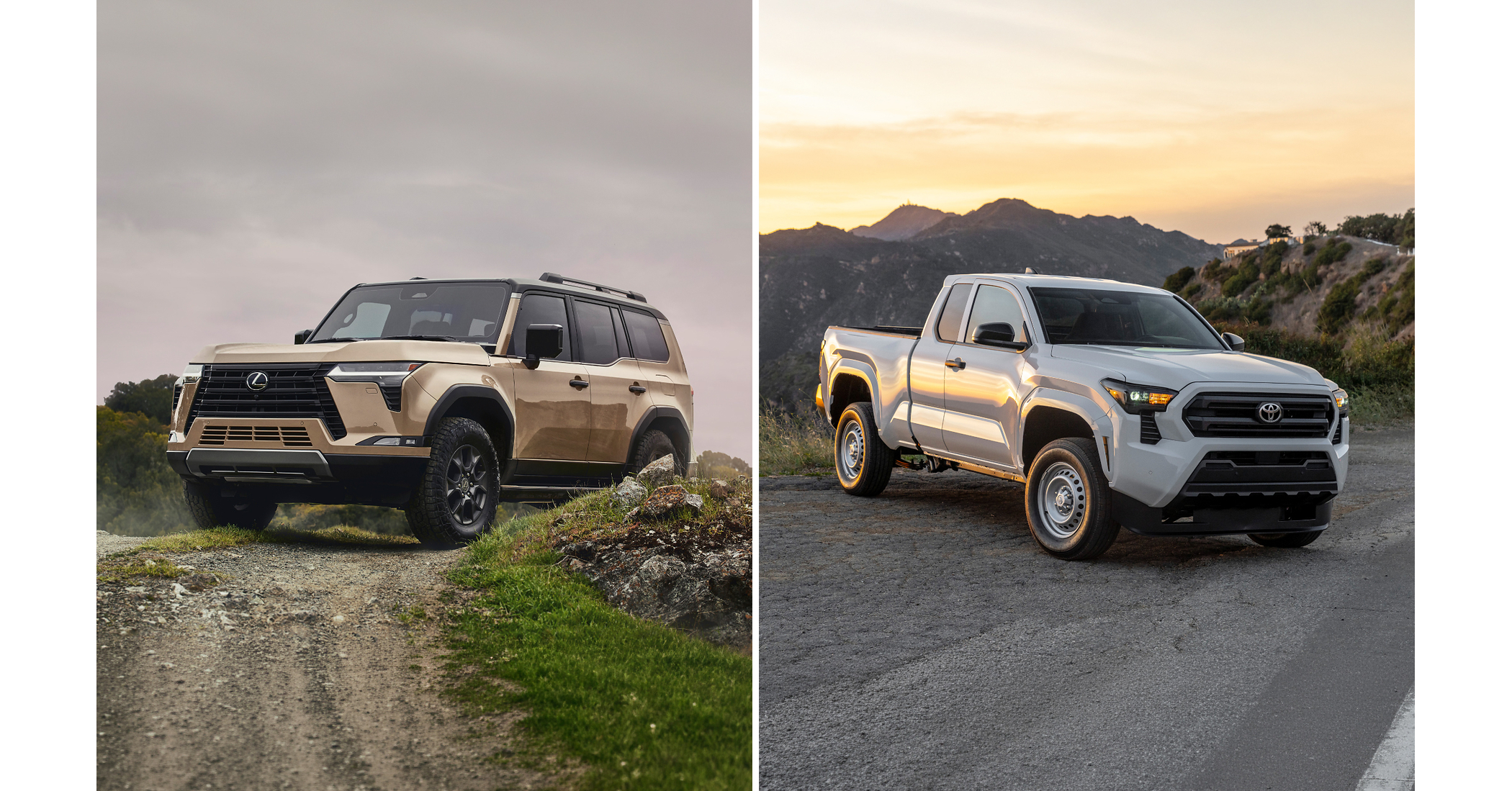
Toyota Motor North America reported September U.S. sales of 201,306 vehicles, up 8.4% year over year, led by electrified-vehicle sales of 117,215, up 37.8% and representing 58.2% of total volume. Third-quarter sales rose 0.6% to 633,223, while electrified deliveries increased 28.5% to 363,367, or 57.4% of sales. Toyota cited disciplined inventory and low incentives entering Q4, while Lexus September sales grew 11.4% and Toyota division sales rose 7.9%.
Analysis
The investable signal is not unit growth but Toyota's ability to shift mix without the incentive intensity that is eroding North American peer profitability. A hybrid-led portfolio protects residual values and dealer economics versus BEV-heavy OEMs, supporting TM's margin resilience and lowering the probability of the production cuts/inventory write-downs that would force a guidance reset. The near-term read-through is unfavorable for GM and F: Toyota's expanding hybrid SUV and truck availability competes directly in the highest-contribution segments where Detroit needs sustained pricing to cover elevated labor and EV-capex costs.
The more subtle beneficiary is the Japanese hybrid supply chain, particularly DENSO (6902 JP) and Aisin (7259 JP), where power-control units, e-axles and hybrid transmissions carry greater content per vehicle than ICE platforms. Conversely, broad BEV-volume extrapolation remains challenged for pure-play battery-material and charging exposures; Toyota's pathway grows electrified penetration while requiring materially less battery capacity per retail vehicle than an equivalent BEV mix. This is structurally negative for the premise that U.S. auto electrification necessarily translates one-for-one into near-term cell demand.
Consensus may over-credit the result as a volume acceleration. The quarterly run-rate is essentially flat, and a mix shift can mask cannibalization among legacy nameplates rather than expand the total profit pool; the key verification point at next results is North American operating margin, incentive spend per unit, and dealer days' supply. A deterioration in these metrics, or a renewed pricing push by Tesla (TSLA) and Hyundai/Kia that narrows hybrid-versus-BEV ownership-cost advantages, would weaken the thesis over the next 1-3 months. Over 6-18 months, a faster-than-expected normalization in battery prices could also reduce Toyota's strategic advantage if it delays full-BEV scale.
AllMind Terminal
AI-powered research, real-time alerts, and portfolio analytics for institutional investors.
Request TrialMarket Sentiment
Overall Sentiment
moderately positive
Sentiment Score
0.48
Ticker Sentiment
Key Decisions for Investors
- Initiate a 3-6 month long TM / short F pair, sized beta-neutral. Thesis is relative North American margin durability rather than absolute U.S. unit growth; target 10-15% relative return, with exit if TM reports a material sequential margin decline or F restores pricing/incentive discipline without inventory growth.
- Add DENSO (6902 JP) and Aisin (7259 JP) on pullbacks as 6-12 month hybrid-content beneficiaries; use a basket to mitigate OEM-specific sourcing risk. Reassess if Toyota signals component insourcing or hybrid production volumes fail to convert into supplier revenue growth.
- Avoid adding broad lithium exposure (LIT) solely on U.S. electrification data; prefer a tactical underweight versus hybrid-component suppliers for 3-6 months. Cover if BEV share, rather than electrified share, begins to accelerate across multiple OEM monthly reports and battery-cell pricing stabilizes.
- Monitor October-November incentive and inventory data before increasing TM outright. A sustained low-incentive position combined with improving North American operating margin is the required catalyst for multiple expansion; absent that confirmation, this is a relative-value trade, not a high-conviction directional long.
More News
- Nike Warns Sales Slump Will Worsen This Fiscal Year
- GM reports 5.5% decline in third-quarter U.S. sales as EV sales drop
- Detroit Three automakers set to lose market share to Asian rivals
- What Twin Peaks and Coyote vs. Acme teach us about the value of what companies abandon
- SoftBank completes final phase of $30 billion investment in OpenAI
- Amazon seeks to offload $8 billion of Nvidia chips to investors, FT reports