
Yapay Zeka Çağında Yeni Büyüme İçin Ağ Değerini Yeniden Şekillendirme
Source: PR Newswire
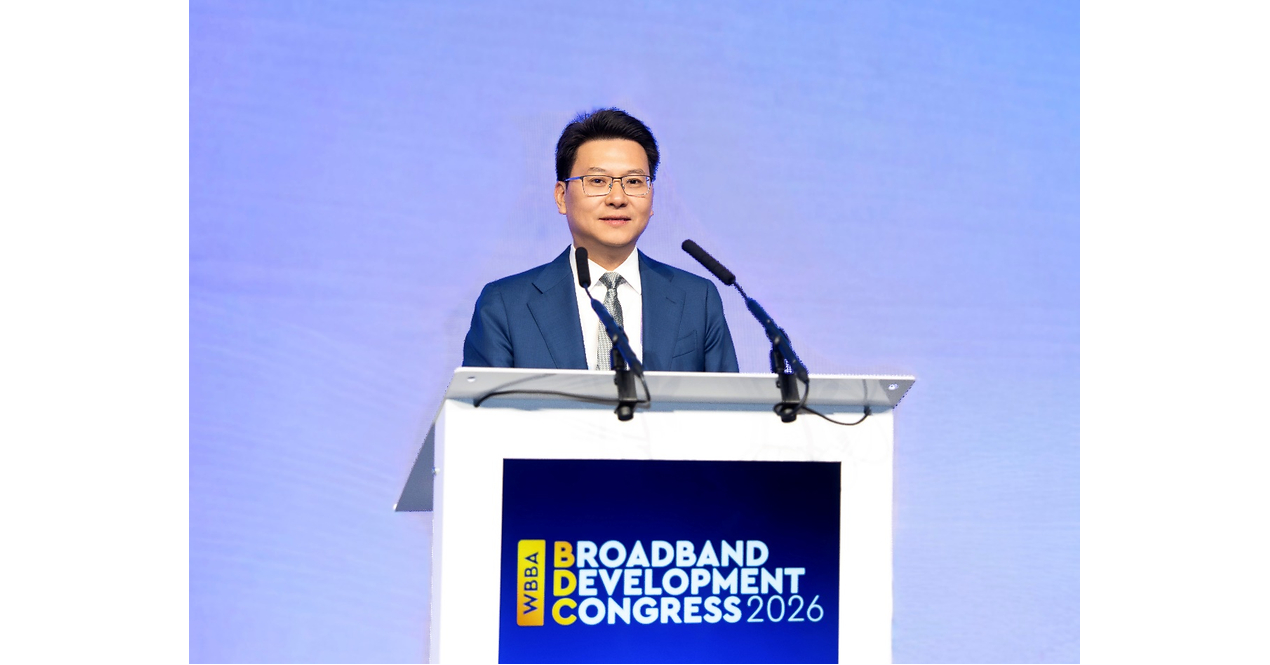
Huawei Optik İş Ürün Grubu Başkanı Bob Chen, Viyana’daki WBBA kongresinde ağ mimarisini, iş modellerini ve işletme-bakım süreçlerini yapay zekâ talebine göre yeniden şekillendirme çağrısı yaptı. Makalede aktarılan örneklerde yapay zekâ destekli Wi-Fi ayarlama hızları parazitli ortamlarda yaklaşık %20 artırırken, dinamik güç yönetimi toplam cihaz enerji tüketimini %20’den fazla azaltıyor. İçerik, Huawei’nin teknoloji ve sektör yaklaşımını tanıtıyor; şirket finansalları veya piyasa tepkisi hakkında bilgi vermiyor.
Analysis
The investable signal is a possible shift in network spending, not proof of a new revenue pool. AI clusters change where capacity is needed: east-west data-center links and low-latency routes may gain while some population-centric metro assets lose relevance. That can favor optical transport and interconnect suppliers, but traffic growth alone does not ensure operator pricing power—hyperscalers may build or control the highest-value fabric, leaving carriers with capex and limited returns. SLA-based pricing works only where customers can quantify the cost of latency or downtime.
Treat the performance, energy-saving and demand figures as Huawei claims, not verified industry economics. O&M automation could lift operator margins, but competitive pass-through and rising traffic may absorb savings; efficiency may also defer equipment refreshes. Huawei’s addressable market is additionally constrained by procurement and geopolitical restrictions, so the thesis is more applicable to non-Huawei vendors and markets than to Huawei itself.
Near term, this is not a standalone catalyst. Over 1–3 months, look for operator capex plans, named data-center interconnect awards and evidence of paid latency/reliability tiers. Over 6–18 months, the structural test is whether those contracts produce returns above incremental network investment. A lack of funded deployments, flat service ARPU, or capex rising without improved operator cash generation would falsify the monetization case.
AllMind Terminal
AI-powered research, real-time alerts, and portfolio analytics for institutional investors.
Request TrialMarket Sentiment
Overall Sentiment
mildly positive
Sentiment Score
0.20
Key Decisions for Investors
- No immediate trade on the conference claims. Set an alert for funded interconnect/optical orders and operator disclosures that separate AI-related capex from general network spending.
- Conditional relative-value idea: on confirmed order momentum, favor optical-network suppliers such as Ciena or Nokia over access-heavy telecom operators; keep exposure modest until contract economics and customer concentration are clear. Reverse if order growth fails to appear or operator capex rises without better cash generation.
- Track whether latency/reliability tiers command incremental enterprise revenue rather than merely repackage bandwidth. If operators report uptake and improving unit economics over the next few quarters, the case for network monetization strengthens; if not, treat AI traffic as a capacity burden, not a pricing catalyst.
- Verify Huawei’s claimed efficiency benefits independently and assess whether savings accrue to operators or are competed away. Geopolitical procurement limits also constrain how much Huawei’s strategy can translate into addressable public-market revenue.
More News
- Why did CoreWeave stock get crushed this week? Look to this corner of the debt market for clues
- AI stock sell-off ramps up over debt-fueled data center spending fears: ‘Full-blown crisis of confidence'
- Dow falls 189 points as AI stocks slide and oil prices surge
- Wall Street Anxiety Spreads as AI Rout Meets $110 Oil Shock
- Wall Street's fear gauge is ripping. Traders see it going even higher
- All the news about the iPhone Duo