
SimuTech Group Engineers Co-Author Chapter in Open-Access Medical Device VVUQ Handbook
Source: PR Newswire
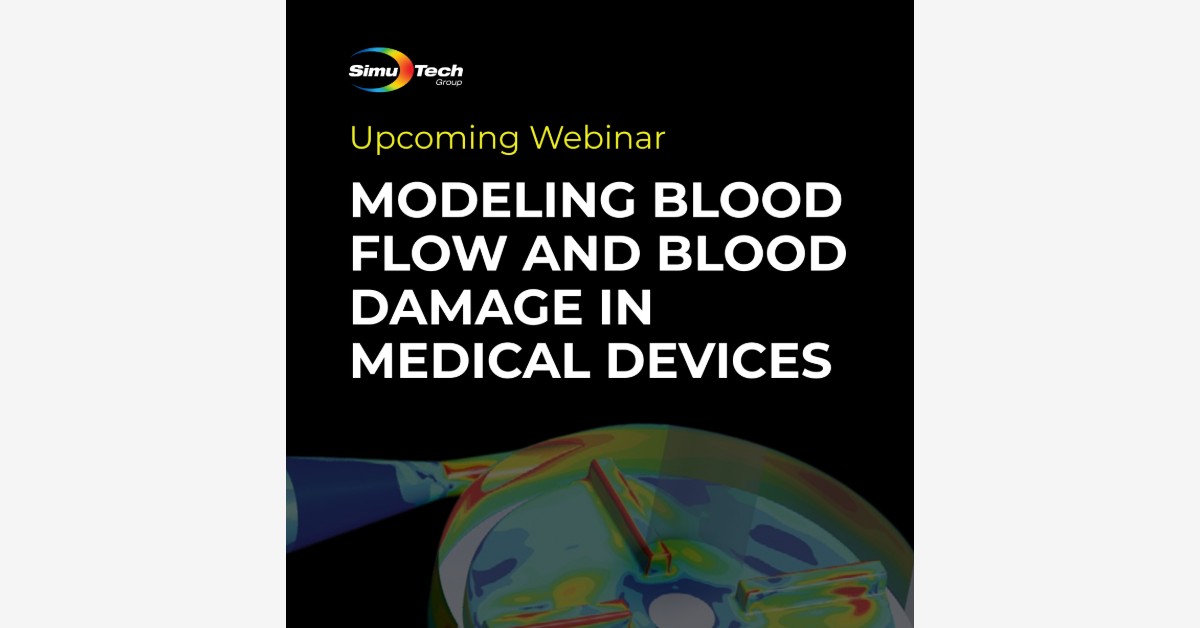
SimuTech Group announced an open-access VVUQ (verification, validation, uncertainty quantification) handbook chapter on blood pump simulation, co-authored by Mark Goodin and Ertan Taskin, funded by Ansys (part of Synopsys) and Johnson & Johnson. The guidance is aimed at helping engineers establish credibility of computational models for medical-device regulatory submissions and the design lifecycle, emphasizing when simulation can substitute for or complement physical test data. Authors will present practical applications in a Sept. 10, 2026 webinar at 1:00 p.m. ET, with no direct financial figures reported.
Analysis
This is more of a standards-and-workflow signal than a revenue event. The only tangible near-term winner is the simulation ecosystem around SNPS: if VVUQ language becomes embedded in medtech design reviews, it increases the value of validated workflows, services, and training, which tends to be sticky and high-margin even if the dollars are deferred. The second-order effect is a longer sales cycle, not faster bookings: regulated customers will buy more confidence, but they will also demand more evidence before expanding simulation budgets.
For JNJ and ZBH, the implication is reputational and strategic rather than financial. Participation in framework-setting can improve access to engineering talent and early design influence, but it also signals that simulation is becoming a gating function in device development, which may shift spend from bespoke consulting toward software-anchored platforms over time. That is mildly negative for smaller service layers that rely on proprietary know-how; the value migrates to vendors who own the validation stack.
The contrarian point is that consensus may be overestimating the near-term monetization and underestimating the compliance drag. Higher credibility standards are bullish for SNPS structurally over 12-18 months, but in the next 1-3 quarters they can actually pressure adoption because device teams still need physical test data and regulatory certainty. Falsifier: if medtech customers start citing VVUQ-guided simulation as a basis for reducing bench or animal testing, then software penetration could re-rate faster than expected; otherwise this stays a slow-burn franchise enhancer, not an earnings catalyst.
AllMind Terminal
AI-powered research, real-time alerts, and portfolio analytics for institutional investors.
Request TrialMarket Sentiment
Overall Sentiment
mildly positive
Sentiment Score
0.12
Ticker Sentiment
Key Decisions for Investors
- No immediate trade: treat this as a long-duration positive for SNPS, not a catalyst; wait for evidence in medtech bookings or commentary before adding risk.
- If already long SNPS, use any post-announcement strength to keep sizing modest; thesis only improves if management later quantifies higher attach rates in medtech workflows over the next 2-3 quarters.
- Avoid reading this as a near-term positive for JNJ or ZBH equity; the benefit is diffuse and non-quantifiable, so don’t pay up on this headline alone.
- Watch for a future relative-value entry: long SNPS vs. short IHI only if SNPS starts to show medtech-specific pipeline acceleration while device OEM capex stays flat.
- Set an alert on regulatory language or conference commentary around VVUQ acceptance; if a major FDA/ASME reference starts favoring simulation evidence, that would be the real catalyst for a re-rate.
More News
- What's behind the recovery rally in tech stocks — plus, Elon Musk's very good week
- Cramer’s week ahead: Earnings kick off as banks and chipmakers face big tests
- Jim Cramer's top 10 things to watch in the stock market Friday
- 2 Dividend Stocks Worth Holding Forever (Including 1 Dividend King)
- Earnings season kicks into high gear as big banks report next week. Here's what's ahead
- Nvidia GPUs are everywhere. Here are the ways companies are accessing them