
Morphy's Sept. 24 Fine Jewelry & Watches Auction Offers 357 Superlative Lots That Would Please Even the Most Discerning Bidders
Source: PR Newswire
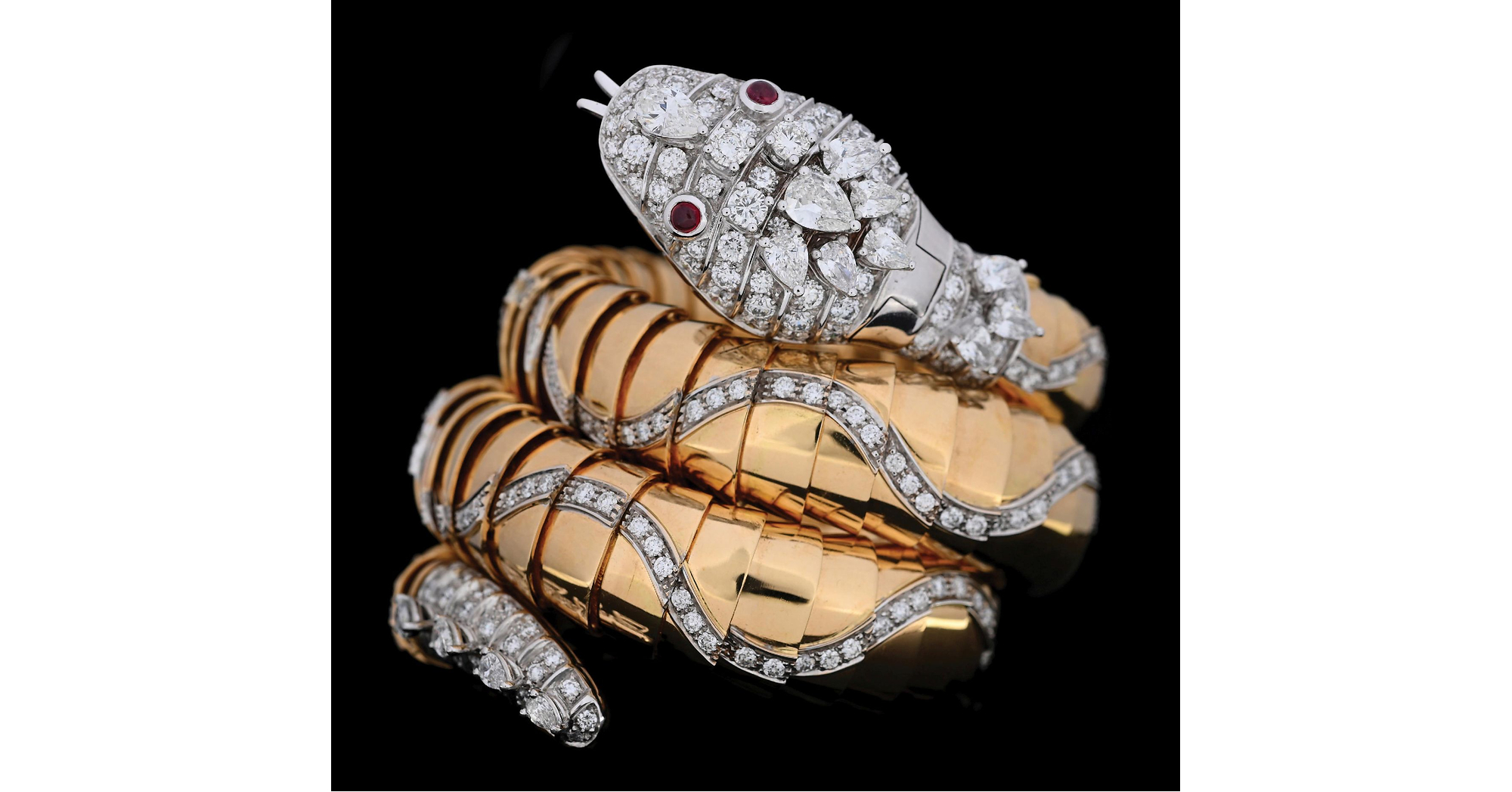
Morphy’s Sept. 24 Fine Jewelry & Watches auction highlights 357 superlative lots expected to surpass six figures, led by an Oscar Heyman fancy colored diamond necklace estimated at $150,000–$250,000 and a rare Bvlgari Serpenti Jaeger-LeCoultre diamond/ruby bracelet also estimated at $150,000–$250,000. Additional watch jewelry includes a 1959 Rolex GMT-Master “Pepsi” (Ref. 6542) estimate of $120,000–$180,000 and other major pieces ranging from $50,000–$100,000+. The news is promotional/auction scheduling in nature and is unlikely to move broader markets.
Analysis
This is a sentiment read-through for the upper end of the luxury resale stack, not a fundamental shock. Strong hammer prices would matter mainly because they validate scarcity and keep mark-ups elevated in certified pre-owned channels, which is constructive for higher-quality watch retailers and resellers; weak bidding would suggest the recent “collectibles are money-good” narrative is more fragile than the market assumes.
The second-order effect is on inventory economics, not brand heat. If trophy lots keep clearing above estimate, dealers with authenticated pre-owned exposure can defend gross margin and turn inventory faster, while also justifying richer financing/consignment terms; if the market softens, those same players face wider bid/ask spreads and longer days inventory, which is a quiet earnings headwind over the next 1-3 quarters. PEP has no actionable read-through here beyond a name coincidence.
Contrarian view: auction headlines can overstate broad demand because the buyer base is tiny, wealth-concentrated, and often insensitive to macro wages/consumer credit. The more meaningful barometer is whether secondary-market indices for Rolex/Cartier/Patek and retailer inventory markdown behavior confirm the auction tape over the next 30-90 days; without that, this is likely just a high-end one-off rather than a trend.
The main falsifier is any sign that sale-through is weak or that post-sale comps fail to hold in September/October trading; that would argue the scarcity premium is rolling over rather than extending.
AllMind Terminal
AI-powered research, real-time alerts, and portfolio analytics for institutional investors.
Request TrialMarket Sentiment
Overall Sentiment
neutral
Sentiment Score
0.10
Key Decisions for Investors
- No direct trade in PEP: treat the 'Pepsi' mention as non-fundamental noise and avoid forcing a catalyst where none exists.
- Watchlist, not immediate action: add WHGOF to a 30-90 day monitor for strength in certified pre-owned watch pricing and auction clearance rates; only get constructive if secondary-market indices stay firm after the sale.
- If auction results are strong and pre-owned indices confirm, consider a small tactical long WHGOF vs. broader discretionary retail (XLY) for 1-3 months, using any inventory/markdown commentary as the stop signal.
- If hammer prices disappoint, fade WHGOF on rallies and look for a short setup in watch-exposed luxury names; thesis invalidates if the company reports accelerating sell-through or higher gross margin despite softer auction comps.
More News
- KFC to switch to Coca-Cola beverages in U.S. restaurants for the first time in decades
- Pepsi loses more ground in the soda wars, as KFC switches to Coke
- KFC signs Coca-Cola on as new beverage partner, ditching PepsiCo
- AI Capex, Gamble or Jackpot?: Market Snapshot
- ‘I told you so’: China’s chip sector is making breakthroughs—and U.S. export controls are the reasons why
- UK's Healey Plans to Raise Bank Taxes
From AllMind Research
- Anthropic IPO Preview: Valuation, Timing, and What to Watch
- Shein After the IPO: Venue, Valuation, and What Must Be Proved
- What AI Research Tools Should a Small Hedge Fund Buy First?
- Document Search Enhancements, AI Enhancements, AI Actions, & Chat Export
- AI Vendor Landscape for Institutional Investment Teams