
Abstracta Introduces Quality Intelligence to Help Banks Release Software at the Speed of AI
Source: PR Newswire
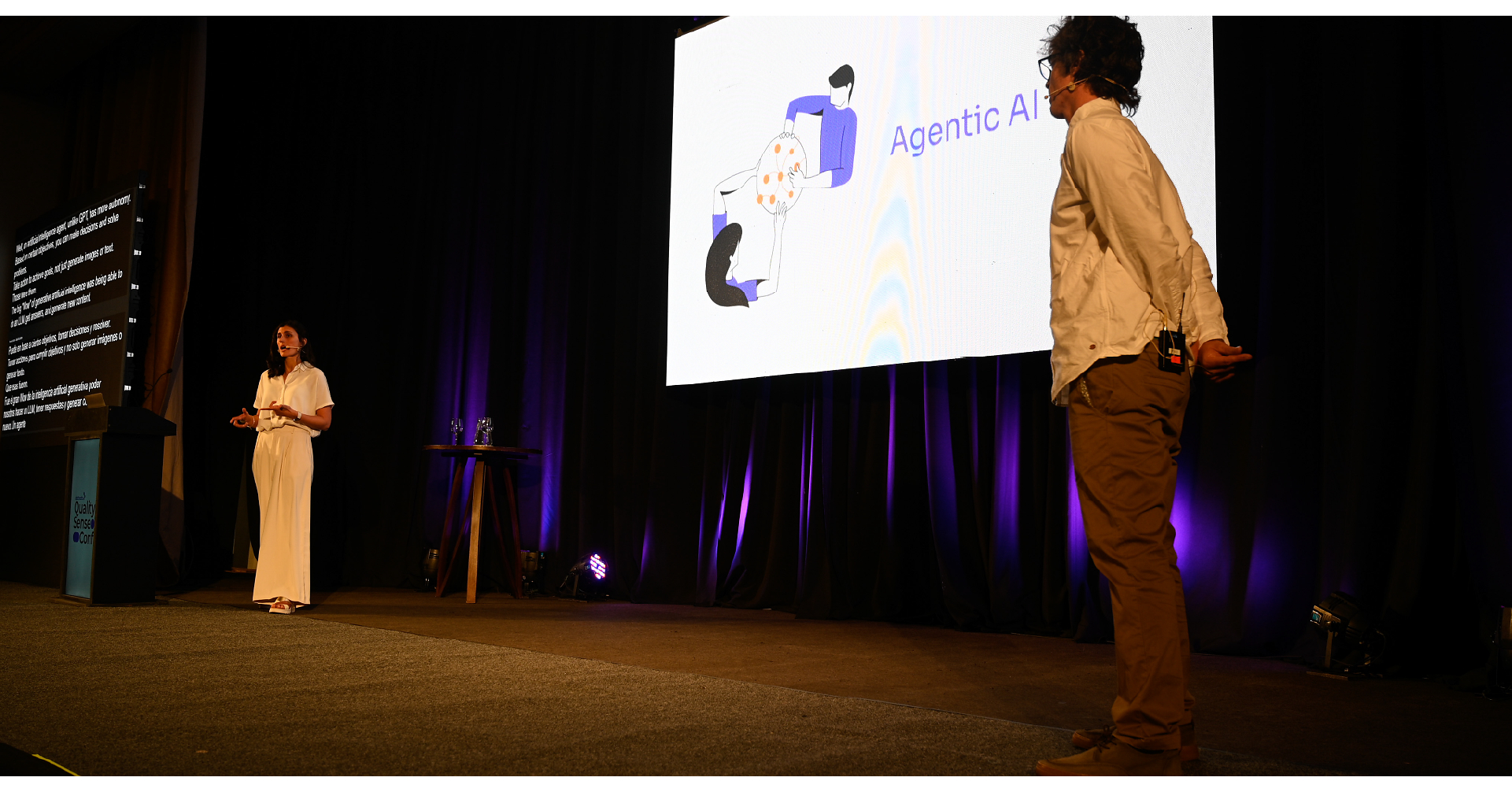
Abstracta launched Quality Intelligence, a framework and AI platform designed to help banks and other enterprises assess software-change risk and make evidence-based release decisions, with human approval retained. Abstracta says its approach has reduced production defects by 40% in under six months, cut regression cycles from days to about 30 minutes, and saved more than 2,000 hours per month through Tero-based AI agents. The announcement is a product launch by a private company, so direct public-market impact is likely limited.
Analysis
The investable signal is not a demonstrated acceleration in bank software spend; it is an emerging budget category around release governance as AI increases code throughput. If banks cannot validate changes at comparable speed, AI productivity gains migrate into QA, observability and systems-integration budgets rather than directly into lower engineering costs. That could support demand for Microsoft’s enterprise AI/cloud stack and specialist tooling, but Abstracta’s Marketplace availability and named partnerships do not establish material incremental revenue for Microsoft, Datadog or Atlassian.
The harder commercial test is deployment friction: connecting agents to legacy core systems and producing evidence acceptable to security, risk and audit teams. Human sign-off reduces autonomy risk but can preserve the very approval bottleneck the product is meant to ease. Bank procurement, data-access controls and model governance may stretch the stated 90-day engagement into a longer conversion cycle. Abstracta’s defect and time-saved figures are company-reported engagement outcomes, not independently verified or evidence of repeatable product economics.
Near term, this is a product-positioning announcement with little basis for repricing public peers. Over 1–3 months, watch for named production deployments, renewal/expansion evidence and independent validation of implementation time and defect outcomes. Over 6–18 months, successful adoption could shift QA from labor-heavy testing toward recurring risk-evidence platforms; failure to earn audit and security approval leaves services revenue more plausible than scalable software economics. Contrarian view: the market may overstate how quickly faster code generation translates into demand for a new platform—banks may instead slow releases or expand incumbent vendors’ modules.
AllMind Terminal
AI-powered research, real-time alerts, and portfolio analytics for institutional investors.
Request TrialMarket Sentiment
Overall Sentiment
mildly positive
Sentiment Score
0.30
Ticker Sentiment
Key Decisions for Investors
- No immediate directional trade: Abstracta is not identified as a listed company, and the announcement provides no quantified contract or revenue contribution for the mapped public companies.
- Keep MSFT on a watchlist, not as an event-driven buy. Reassess only if Microsoft reports material Marketplace adoption or bank deployments; verify paid usage and whether customers are buying incremental Azure/AI capacity rather than reallocating existing spend.
- Monitor Datadog, Atlassian and established QA vendors such as Tricentis and Perforce for evidence that release-risk workflows attach to existing platforms. The thesis weakens if banks rely on internal controls or incumbent tools without incremental spend.
- Catalyst checklist for the next 1–3 months: independently attributable bank production deployments, conversion from 90-day assessments to recurring contracts, implementation duration, and audit/security acceptance. Treat the claimed productivity and defect reductions as unverified until corroborated.
More News
- Meta's New Muse Wonder AI Model; LVMH Slumps After China Backlash
- Meta shares rise for a second straight day as new AI model family impresses
- Cheap Chinese and open source LLMs could trigger trillion-dollar AI infrastructure 'reset'
- Microsoft Eyes First Record in Nearly a Year as AI Rally Builds
- Iran threatens Gulf data centres: How exposed is the region’s internet?
- Global chip selloff deepens as AI worries, China competition weigh