
Journée mondiale de la vue : HelpMeSee appelle à un renforcement des investissements dans les effectifs chirurgicaux pour lutter contre la cécité liée à la cataracte dans le monde
Source: PR Newswire
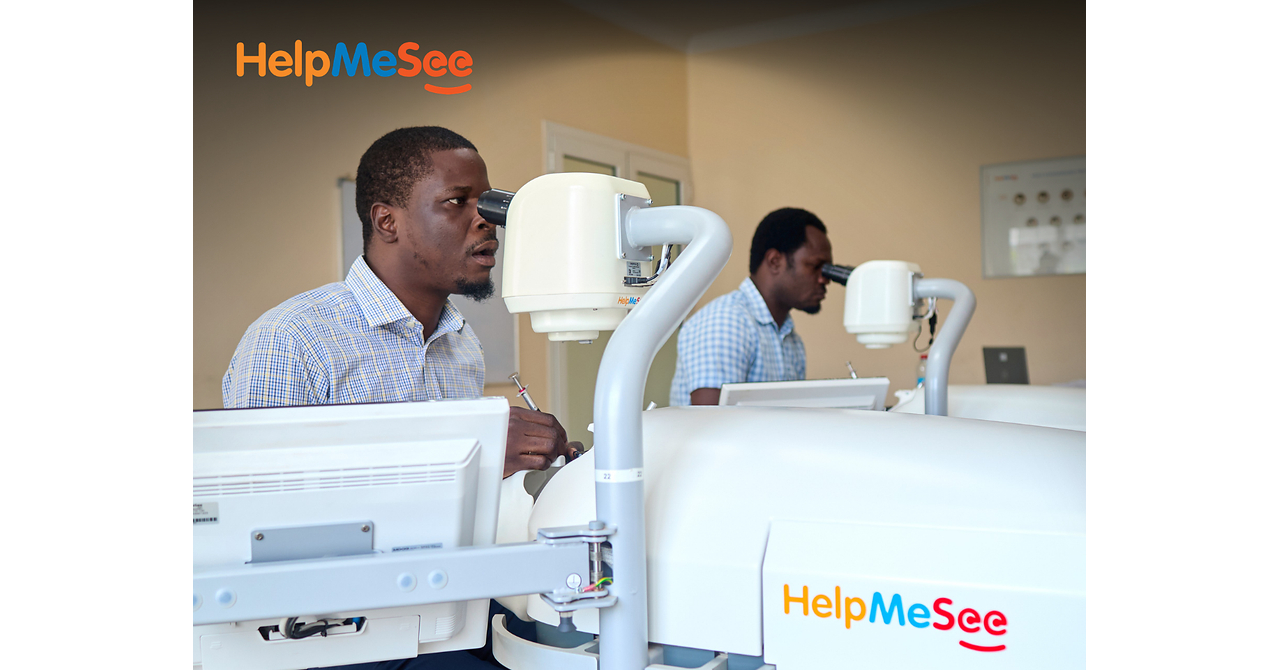
HelpMeSee says an estimated 94 million adults aged 50 and older have cataract-related vision impairment or blindness, and more than half of people needing cataract surgery worldwide lack access; in the WHO African Region, three in four people in need are untreated. The nonprofit is calling for sustained investment in surgical staff and training, including simulation-based training using virtual reality and haptic feedback. The WHO has set a goal of increasing effective cataract surgical coverage by 30 percentage points by 2030.
Analysis
The investable signal is weak: this is an advocacy and training-capacity story, not evidence of funded procurement, a commercial contract, or a near-term change in surgical volumes. The key second-order constraint is that simulator-trained clinicians only translate into more procedures if clinics also have operating-room capacity, instruments and consumables, patient financing, and follow-up systems. Funding or policy commitments aimed only at training could therefore miss the bottleneck and produce little incremental demand for suppliers.
The WHO consultation and global health meeting are near-term agenda catalysts, but public pledges should not be treated as revenue signals without budgets, implementation timelines, and named procurement. Over 6–18 months, verifiable expansion of training centers and funded surgical programs could support incremental demand across ophthalmic equipment and consumables; the article provides no evidence to size that opportunity or identify a listed beneficiary. HelpMeSee is a nonprofit, and no public-market identity or ticker is supplied. There is no defensible direct equity trade from this item alone.
Contrarian point: the large unmet need is not itself a growth catalyst. Execution depends on local health-system capacity and affordability, so the gap between training activity and completed, quality-controlled surgeries may remain wide. A reversal in policy attention or donor funding would further weaken the case for treating this as a durable commercial tailwind.
AllMind Terminal
AI-powered research, real-time alerts, and portfolio analytics for institutional investors.
Request TrialMarket Sentiment
Overall Sentiment
neutral
Sentiment Score
0.00
Key Decisions for Investors
- No trade on the announcement alone; do not infer listed-company earnings upside from the scale of unmet need.
- Monitor the WHO consultation and summit for funded commitments, implementation dates, and procurement details—not general targets or endorsements.
- Treat ophthalmic equipment and consumables suppliers as a watchlist only; revisit if programs demonstrate sustained growth in completed procedures and disclose associated purchasing.
- Falsify the prospective sector-tailwind thesis if commitments fail to become funded operating capacity, or if training-center expansion does not translate into higher procedure volumes.
More News
- Israel’s economy prospers despite years of war, but prices worry voters
- Verizon stock heads for worst day since 2002 as SpaceX U.S. network plans whack telcos
- SpaceX’s Wireless Threat Rises With Spectrum Deal
- What's behind the recovery rally in tech stocks — plus, Elon Musk's very good week
- Why is T-Mobile stock tumbling today?
- Elon Musk intensifies attack on Ambani over Starlink India launch delay
From AllMind Research
- Anthropic IPO Preview: Valuation, Timing, and What to Watch
- Shein After the IPO: Venue, Valuation, and What Must Be Proved
- What AI Research Tools Should a Small Hedge Fund Buy First?
- Weekly Update: In-App Tutorials, Futures Data, and Watchlist Enhancements
- AI Tools for Independent Research Firms: A Publishing System