
Vini AI Reaches 115 US Dealerships as Conversational AI Moves Deeper Into Sales and Service
Source: PR Newswire
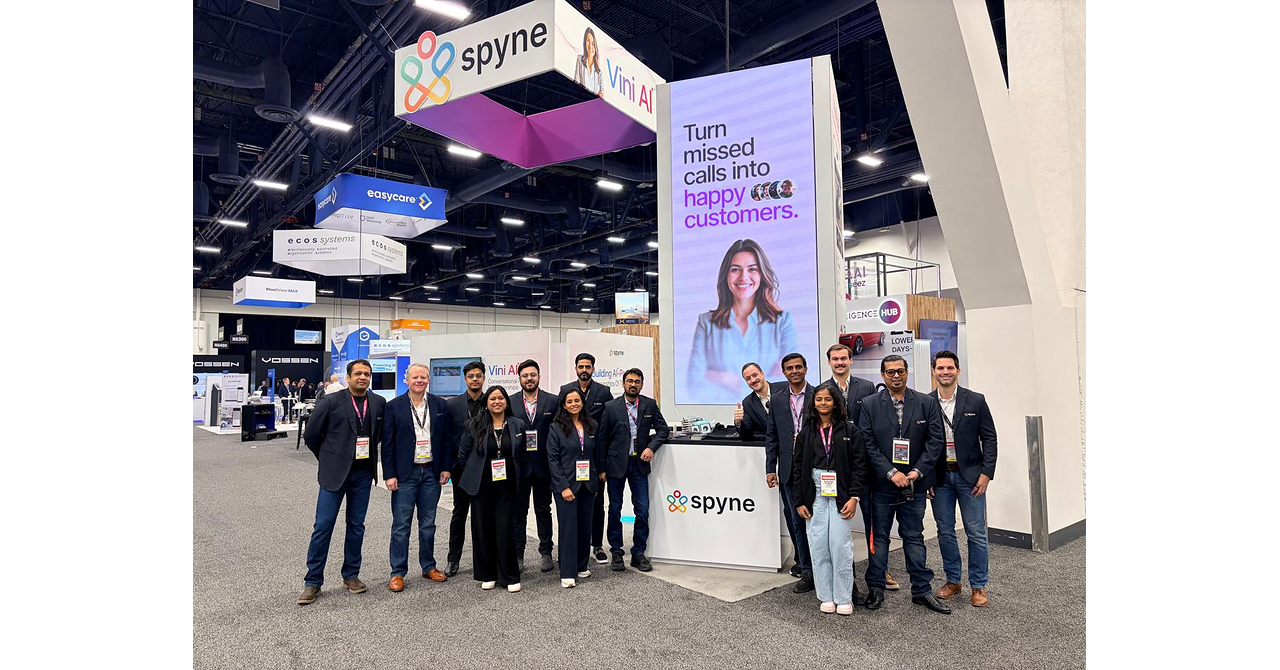
Spyne says its Vini conversational AI has been deployed across 115 U.S. dealerships, handling more than 450,000 leads, 900,000 customer conversations and 312,000 minutes of calls since launch; opportunities handled through the platform have been associated with more than $85 million in dealership revenue. At Paragon Honda, Spyne reported $314,000 in recovered revenue and a 48% appointment-to-sale rate over 30 days. Integrations with VinSolutions, Tekion and CDK extend Vini into dealerships’ existing systems, while Spyne plans to expand its sales and service use.
Analysis
The investable question is whether conversational AI creates incremental dealer gross profit or merely reallocates work among existing CRM, BDC and call-center workflows. The reported revenue association is not evidence of incremental, collected sales: attribution, conversion lift versus control stores, subscription economics, retention and implementation costs are undisclosed. At 115 dealerships, this is a product-validation signal, not yet a material demand shock for public auto retailers.
Integrations may accelerate distribution, but also strengthen the bargaining position of CRM/DMS platforms: VinSolutions, Tekion and CDK can gate access to dealer workflows, bundle competing AI features, or capture economics. That leaves Spyne exposed to platform dependency even as integrations reduce adoption friction. If the tool reliably improves after-hours response and reactivates leads, dealer groups could gain modest labor productivity and conversion upside; the benefit is likely diluted by store-level execution and could be competed away in vendor pricing.
Near term, treat the announcement as promotional rather than earnings evidence. Over 1–3 months, look for independent dealer case studies, paid-store additions and renewal data. Over 6–18 months, the structural test is whether measurable incremental gross profit persists as incumbents add similar automation. The thesis weakens if controlled results show no conversion lift, deployments fail to expand, or dealer platforms bundle comparable features at little incremental cost.
AllMind Terminal
AI-powered research, real-time alerts, and portfolio analytics for institutional investors.
Request TrialMarket Sentiment
Overall Sentiment
moderately positive
Sentiment Score
0.35
Key Decisions for Investors
- No trade on this release alone: Spyne has no supplied public ticker, and the disclosed scale and attribution do not support a material earnings estimate for listed dealership groups.
- Add AutoNation, Lithia Motors, Penske Automotive Group and Group 1 Automotive to a watchlist—not as immediate longs. Revisit only if multiple operators disclose sustained conversion or cost-per-sale improvement attributable to automation.
- For any prospective dealership exposure, verify incremental gross profit per lead, appointment show and close rates versus matched control stores, paid deployment count, renewal/churn, and total software plus implementation cost. Treat gross revenue attributed by the vendor as insufficient.
- Monitor CRM/DMS platform responses and dealer adoption over the next 1–3 months. A bundling announcement or evidence of weak paid conversion would challenge the independent-vendor adoption thesis; repeatable, independently validated lift across larger dealer cohorts would strengthen it.
More News
- Oil, Inflation Fears Derail Record US Stock Rally
- Asia shares subdued, bonds swamped by AI debt wave
- Elon Musk blames Indian 'oligarchs' for stalling Starlink launch
- Former world No. 1 Jon Rahm's lawyer tells court Spaniard is done with LIV Golf after three seasons
- Anthropic will be 'most ridiculous IPO' of year, analyst says
- Megacaps Are Back Driving the US Stock Rally in Hot-Running Economy