
Drone Attacks Spawn New Insurance Market in Baltics, Poland
Source: Bloomberg
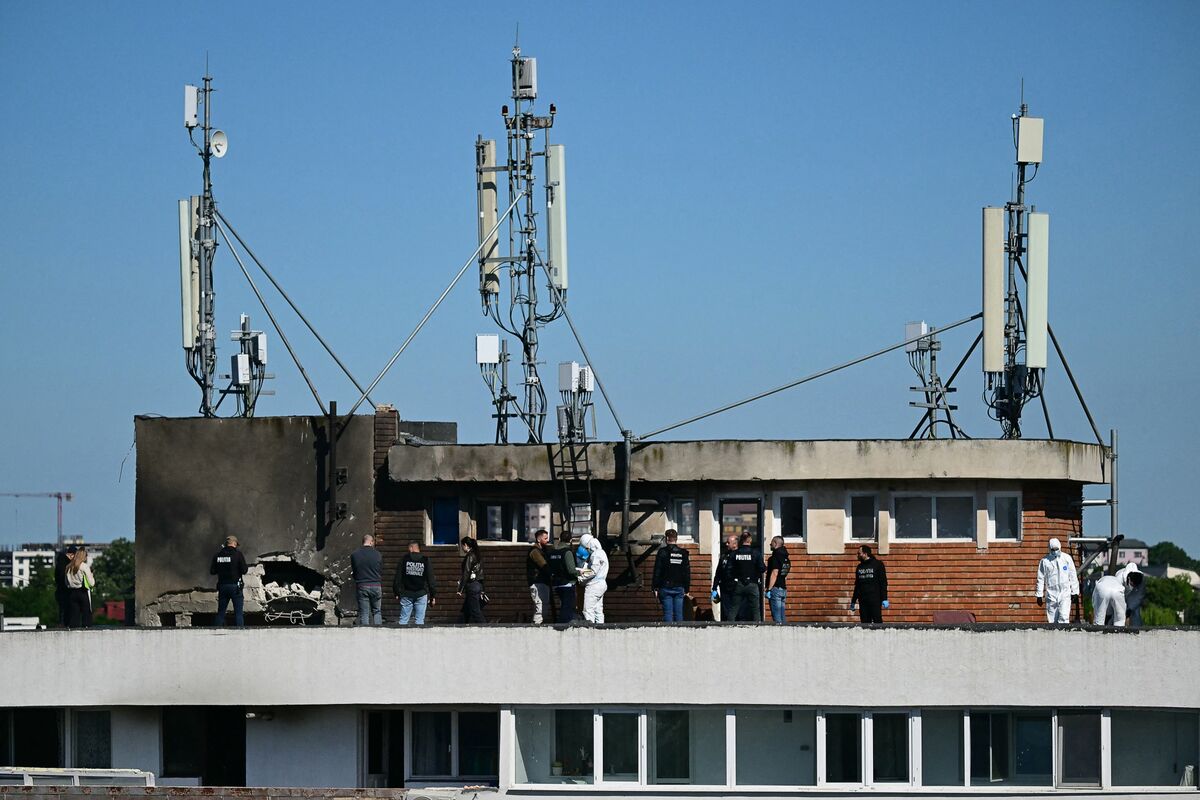
Sunly insured its Dagda solar farm and dozens of other large parks across Estonia, Latvia, Lithuania and Poland for €600 million ($670 million) against potential damage from spillover of the war in Ukraine, including drone-related risks. The coverage is intended to protect the assets and reassure investors who have become more cautious about investing in the region.
Analysis
The investable signal is not simply higher insurance demand; it is a potential repricing of the cost and availability of capital for assets near the conflict perimeter. If coverage is durable and affordable, it can protect project financing and support continued renewable buildout. If insurers respond by raising deductibles, narrowing war-related exclusions, or limiting aggregate exposure, developers may face higher required returns and delayed investment even without physical damage. That second-order effect could benefit better-capitalized developers and projects farther west, while disadvantaging smaller regional operators and new projects dependent on lender-required coverage.
The reported €600 million portfolio is one owner’s insured exposure, not evidence of broad market capacity or a verified loss trend. The key unknowns are premium changes, exclusions, limits, claims treatment, and whether lenders accept the cover. A drone incident could also create correlated claims across multiple assets, making historical property-loss pricing a poor guide to insurer accumulation risk.
Near term, this is more a diligence and risk-premium signal than a reason to short renewables broadly. Over 1–3 months, watch policy renewals and project-finance terms for evidence of repricing; over 6–18 months, sustained insurance friction could shift development toward less exposed markets. The thesis weakens if renewal terms remain stable and lenders continue financing projects without higher required returns. It strengthens if war exclusions widen, premiums jump, or projects are postponed.
AllMind Terminal
AI-powered research, real-time alerts, and portfolio analytics for institutional investors.
Request TrialMarket Sentiment
Overall Sentiment
mixed
Sentiment Score
0.00
Key Decisions for Investors
- No directional trade on this report alone: the article provides no premium, exclusion, or claims data, and one portfolio does not establish a market-wide repricing.
- Place Baltic and eastern-Poland renewable developers on a relative-risk watchlist versus developers with predominantly western European assets; consider a pair only after confirming exposure, insurance renewals, and valuation discounts.
- Track Sunly’s renewal terms, lender conditions, and any project delays, alongside broker evidence on war-risk capacity and deductibles. Treat adverse changes as a catalyst to reassess exposed project-finance and renewable-infrastructure holdings.
- A sector short is falsified by stable renewal pricing and unchanged financing terms; the downside case gains credibility if exclusions expand, cover becomes unavailable, or developers disclose delayed investment or higher financing costs.
More News
- NextDC shares surge 43% after Goodman, Digital Realty stake purchases
- Asian chip stocks slide as disappointing Qualcomm, Arm earnings weigh
- Oil and data centre stocks sink after US midterms
- Snap shares fall over 10% on third-quarter earnings miss
- After the midterms, a bigger clash over data centers could be coming
- ‘Seismic’ blue wave triggers the sinking of oil prices, energy stocks, and the chances of power permitting reform