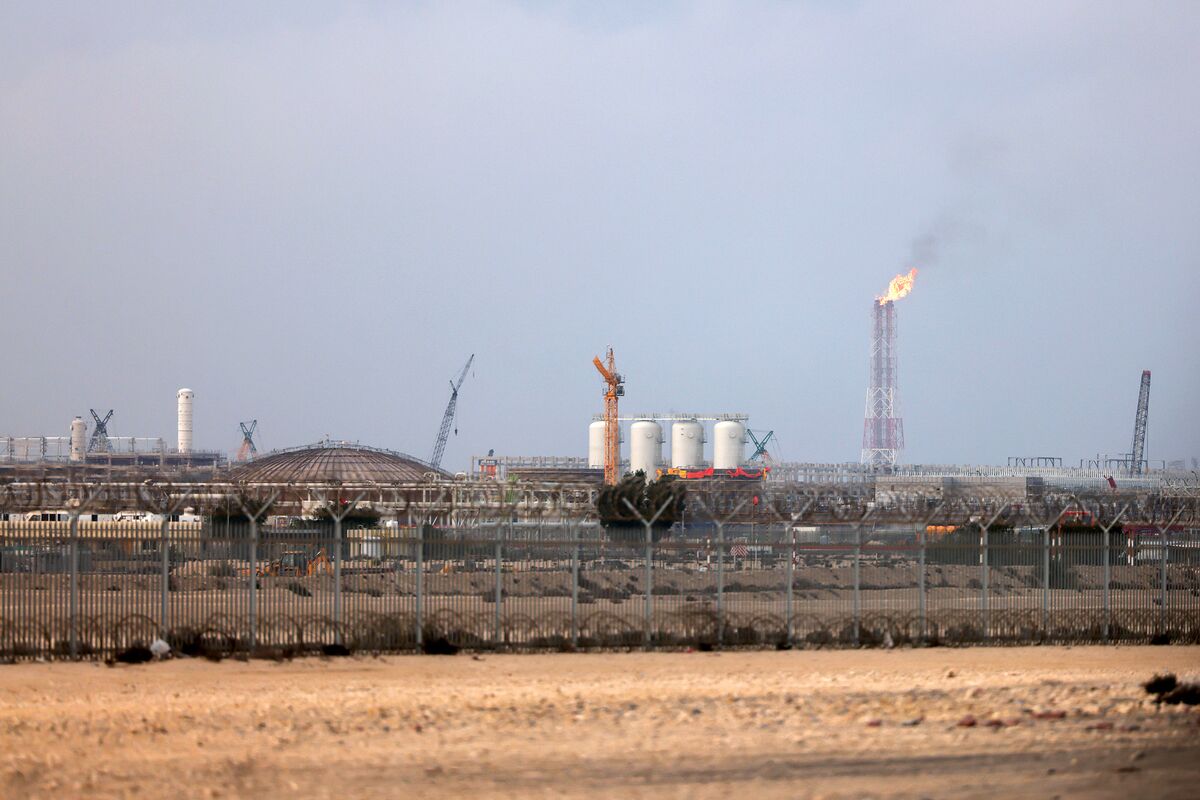
A Qatar LNG tanker, the Al Daayen, transited the Strait of Hormuz and was tracked east of Oman en route to China after loading at Ras Laffan in late February. The shipment underscores continued energy flows through a geopolitically sensitive chokepoint despite regional tensions and broader US-Iran peace-deal risks. The report is largely factual, but it highlights supply-chain and energy-market exposure to heightened Middle East risk.
This is less about one LNG cargo and more about market pricing of a low-probability, high-severity disruption path. The key second-order effect is that the market is now forced to distinguish between physical flow risk and headline risk: if cargoes keep moving, the immediate squeeze in spot LNG can stay contained even as front-end options and freight markets reprice the tail. That creates an attractive setup for volatility rather than outright directional energy exposure.
Qatar is effectively the systemically important marginal supplier for Asia via a single chokepoint, so the real sensitivity is not volume loss today but confidence in near-term deliverability. If insurers, shipowners, or charterers start demanding a higher war-risk premium, the first-order impact shows up in shipping costs and deferred loadings before it hits terminal arrivals. Over a 2-8 week window, that can tighten prompt LNG balances in Japan/Korea/China even without an actual interruption.
The contrarian point is that a successful transit can be bearish for panic hedges: each uneventful passage lowers implied probability of an immediate closure scenario and can bleed out expensive upside protection. But that also means any single adverse event — GPS jamming, missile strike, or an inspection/boarding incident — would trigger a much larger repricing because positioning has likely become complacent. The asymmetry favors owning convexity in LNG and tanker-linked vol rather than chasing spot after the move.
For broader commodities, the more interesting spillover is substitution: if Asian LNG prices spike, marginal gas-to-coal switching reverses at the power plant level, supporting thermal coal and limiting downside in some seaborne coal benchmarks. That creates a relative-value opportunity across the energy complex: LNG up, coal up less, but shipping and insurance costs up fastest.
AI-powered research, real-time alerts, and portfolio analytics for institutional investors.
Request TrialOverall Sentiment
neutral
Sentiment Score
-0.10
