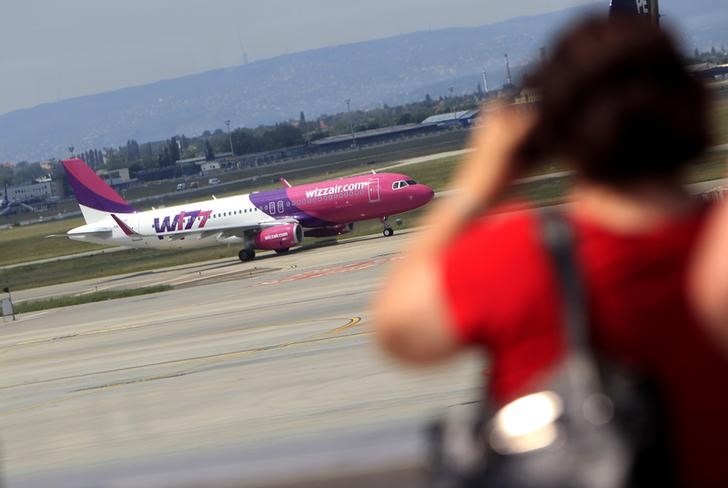
IATA cut its 2026 global airline profit forecast to $23B from $41B previously, citing a 70% surge in jet fuel costs to $152 per barrel and Middle East war disruptions. European airline shares fell 0.86% to 2.1% as the industry’s net margin is expected to compress to 2.0% from 4.2% in 2025, with fuel costs rising 40% to $350B. The Middle East is projected to swing to a $4.3B loss, while European carriers’ net profit falls to $9.6B from $13B.
The immediate market reaction is less about the headline profit reset and more about the asymmetry in carrier balance sheets as fuel hedges roll off. The weaker players are being hit twice: first by margin compression, then by slower pass-through to fares in a demand environment that is already normalizing after a strong post-pandemic recovery. That makes this a relative-value event, not just a sector beta event — capital-light, low-cost operators with stronger pricing discipline should outlast legacy networks, but the market will likely punish all European names until the next earnings season proves whether surcharge discipline can stick.
A more important second-order effect is that higher jet fuel acts like a tax on discretionary travel exactly when airlines are most sensitive to load-factor stability. The dangerous zone is 2-3 quarters out, when current hedges have largely expired and management teams must choose between defending share and defending yields. If Middle East disruptions persist, the market may start modeling a structurally higher fuel regime rather than a temporary shock, which would justify a deeper de-rating for carriers with thin margins and high lease/fixed-cost burdens.
The contrarian angle is that the selloff may be too indiscriminate in the low-cost segment. Carriers with the best ancillary revenue mix and more flexible capacity deployment can offset some fuel pressure via better unit revenue and faster capacity pruning; in a stressed tape, that can turn into share gain versus weaker incumbents. The real fragility is not demand collapse but earnings visibility — once analysts cut numbers, the multiple can compress faster than the underlying EPS, creating a potentially good entry for relative shorts but a poor one for outright longs until fuel stabilizes or hedges are re-established.
From a broader portfolio perspective, this is mildly bullish for airport operators, aircraft lessors with strong balance sheets, and selected defense/logistics names if conflict risk extends. But the cleanest trade remains relative: short the highest operating-leverage European carriers against the best cost-controlled airline exposure, because the next leg lower should come from margin revisions rather than another headline drop.
AI-powered research, real-time alerts, and portfolio analytics for institutional investors.
Request TrialOverall Sentiment
strongly negative
Sentiment Score
-0.62
Ticker Sentiment
