
US Mortgage Rates Rise to 6.97%, Highest In More Than a Year
Source: Bloomberg
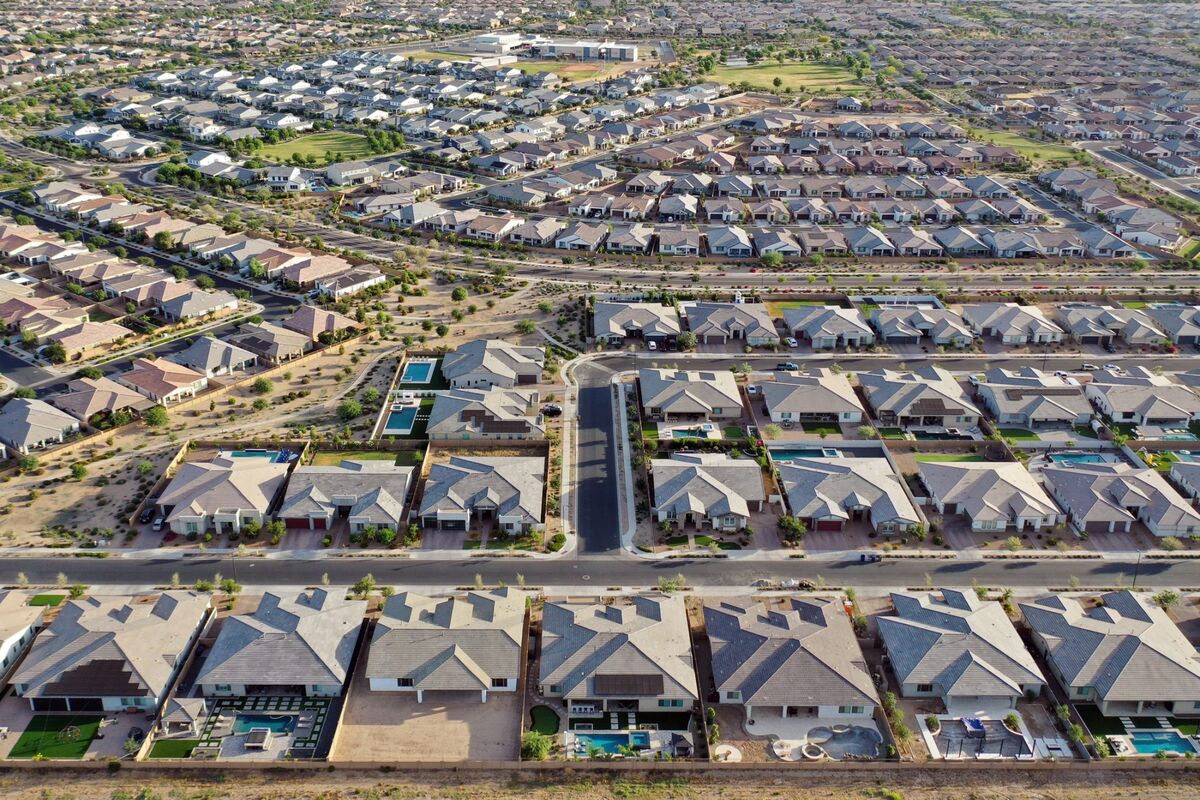
The average contract rate for a 30-year US mortgage rose 12bps to 6.97% in the week ended September 11, its highest level since May 2025. The increase is a further headwind for an already sluggish housing market, potentially weighing on homebuyer affordability, purchase activity and refinancing demand.
Analysis
The clearest near-term earnings sensitivity is not home prices but transaction velocity. RKT, UWMC, RDFN, Z, OPEN and title insurers FNF/FAF face the most direct hit from another refinancing-purchase volume downgrade; their fixed-cost operating models make even a mid-single-digit decline in funded loans or resale transactions disproportionately dilutive. HD and LOW are a second-order casualty over the next 1-3 quarters because turnover-driven big-ticket remodeling remains deferred, although repair-and-maintenance demand should limit downside versus housing-transaction proxies.
The contrarian beneficiary is public homebuilders. DHI, PHM, LEN and NVR can use captive finance, incentives and rate buydowns to convert affordability pressure into share gains from resale inventory, but this is only bullish if incentive expense remains contained. A sustained rate shock would force larger buydowns, compress gross margins and eventually reduce community absorption; watch quarterly incentive-to-revenue commentary, cancellation rates and backlog conversion rather than headline order growth.
Immediate equity positioning should favor lower-beta builders over mortgage and resale-exposure names, with the key 1-3 month catalyst being upcoming order and margin updates. Over 6-18 months, persistently impaired resale liquidity supports new-construction share, but a meaningful decline in Treasury yields would reverse the relative trade quickly by reopening refinance pipelines and releasing locked-in existing-home supply. The thesis is falsified if builders report accelerating cancellations or gross-margin guidance cuts, or if mortgage applications recover despite elevated borrowing costs.
AllMind Terminal
AI-powered research, real-time alerts, and portfolio analytics for institutional investors.
Request TrialMarket Sentiment
Overall Sentiment
mildly negative
Sentiment Score
-0.35
Key Decisions for Investors
- Initiate a 1-3 month pair: long PHM and NVR / short RKT and RDFN, sized market-neutral. Builders have greater control over financing incentives and limited resale competition; mortgage and brokerage platforms retain higher operating leverage to transaction weakness. Exit if builder cancellation rates rise materially or RKT signals purchase-lock growth despite unchanged rate conditions.
- Prefer FNF over FAF within title insurance exposure, but keep the group underweight until purchase-volume data stabilizes. Both face lower transaction counts, while FNF's broader business mix offers somewhat better downside resilience; reassess after the next quarterly guidance cycle.
- Avoid adding to HD and LOW ahead of housing and retail updates; use any rate-driven relief rally to reduce exposure. The risk/reward improves only if management commentary shows pro-customer transaction demand recovering rather than merely resilient repair spending.
- Set an alert for a 50-basis-point decline in the 10-year Treasury yield or a sustained improvement in purchase mortgage applications. Either would weaken the long-builder/short-originator thesis and justify covering 25-50% of the short leg before earnings revisions catch up.
More News
- Oil extends losses as Saudi Arabia reportedly offers ship-to-ship crude transfers after pipeline hit
- Japan’s corporate leaders sound alarm over weak yen — even dollar-earners are voicing concerns
- Fed hikes again - an AI-Picked insurer is still cashing in
- Hawkish Fed lifts dollar to seven-week high as focus turn to BOJ
- 'Science fiction': Transport companies — the backbone of economy — are sounding alarm on fuel prices
- Shares tick higher as Fed hikes rates, dollar jumps with short-term yields